
Corporate Event Flowers Salt Lake City: Planning a Memorable Occasion
Plan corporate event flowers in Salt Lake City with a practical guide to goals, design, quantities, delivery details, budgets, and working with a florist.
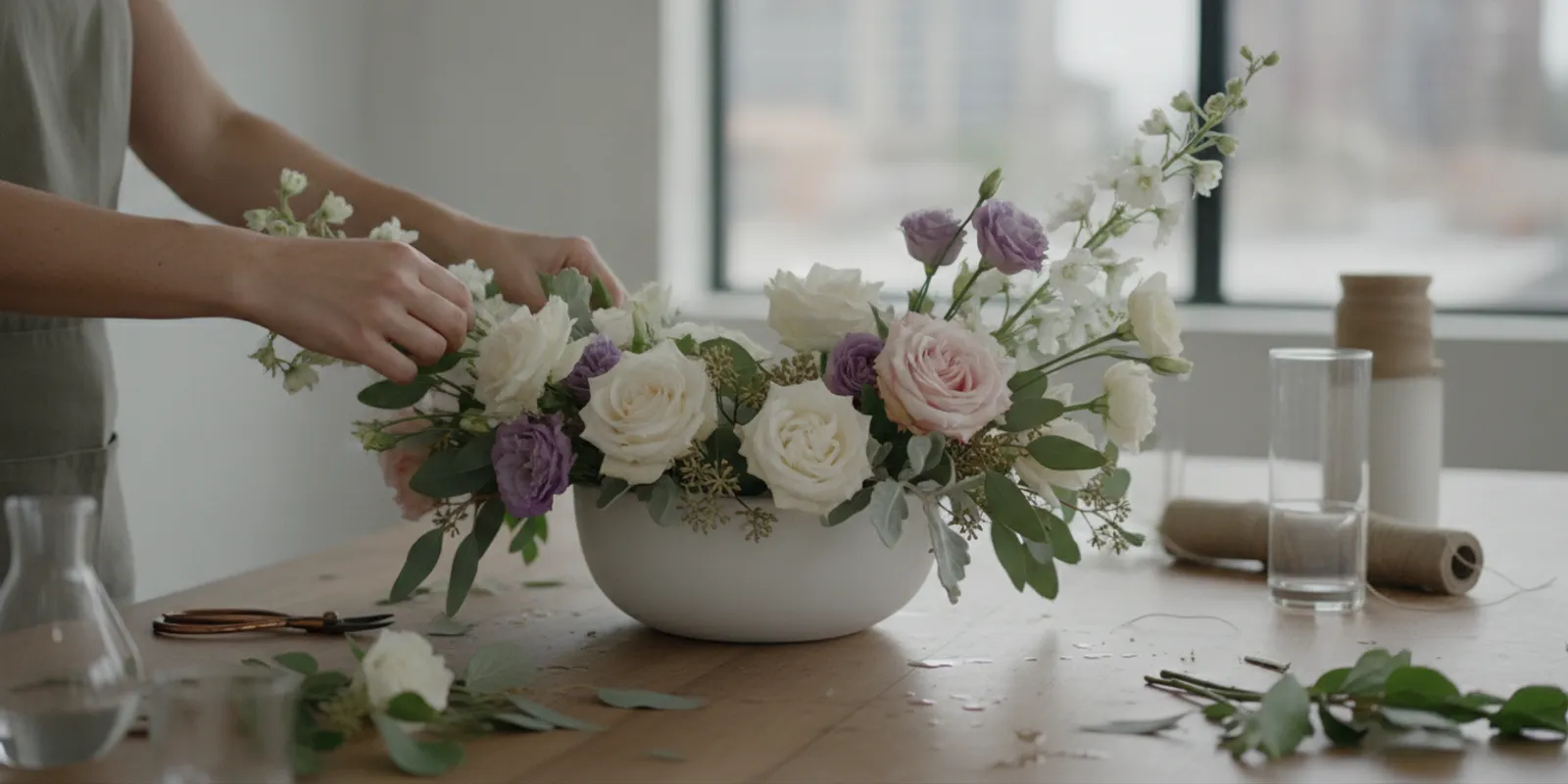
Corporate event flowers in Salt Lake City can do more than fill a table. A considered arrangement helps guests feel welcomed, makes a stage or reception area feel finished, and gives a company gathering a warmer, more personal atmosphere. The best plan starts with the purpose of the event, then works through the room, schedule, design, and delivery details.
Call to discuss your event flowers
What should corporate event flowers accomplish?
Begin with the reason for gathering. Flowers for a client reception may need to feel polished and inviting. A team celebration may call for a brighter, more relaxed mood. A conference, awards program, or launch can benefit from floral accents that add visual warmth without competing with speakers, signage, or the people in the room.
Write down the experience you want guests to have in a few plain words. For example: welcoming, calm, celebratory, or professional. Those words give a designer a useful starting point. They also help you decide whether you need one focal arrangement, a series of table pieces, or just a few carefully placed accents.
Think about what flowers need to do in the room. They may:
- Welcome attendees at an entrance or registration desk.
- Make a reception, dining, or networking space feel complete.
- Bring color to a stage, lectern, or presentation area.
- Mark a VIP table, award display, or speaker area.
- Thank a host, presenter, client, or colleague with a take-home arrangement.
Not every event needs all of these. A small gathering may feel more thoughtful with a single well-placed arrangement than with flowers on every surface. For a larger event, repeating a small number of design elements can make the space feel cohesive without making each table identical.
It also helps to name what flowers should not do. You may want to keep sightlines clear, leave room for conversation, avoid a strongly scented design, or ensure the room remains easy to navigate. Giving a designer these practical limits early is more useful than trying to correct them after the arrangements have been made.
Which event details should you confirm first?
Before discussing specific flowers, gather the facts that shape the order. Even an experienced event organizer may be coordinating a venue, caterer, speakers, and guest list at the same time. A short event brief can keep everyone working from the same plan.
Confirm the event purpose and audience
Identify the type of gathering and who will attend. A client appreciation reception, employee milestone, holiday gathering, conference, product presentation, and formal dinner can each call for a different feeling. Consider whether guests will mostly stand, sit at tables, move between rooms, or watch a program from one direction.
Then define the level of formality. A relaxed team event may suit loose, colorful arrangements. A formal dinner could call for a more restrained palette and lower centerpieces. These are starting points, not fixed rules. The venue, company preferences, and event schedule matter just as much.
Confirm the date, times, and access window
Record the event date, guest arrival time, program start, and the time the room must be ready. Then ask the venue when a delivery or setup can actually happen. A room that opens to vendors at 3 p.m. may not be available for decorating earlier, even if guests arrive at 6 p.m.
Find out whether the venue has a loading entrance, a check-in procedure, parking instructions, or a designated contact. Confirm whether someone can receive the flowers and where they should be placed. If the building has several event rooms, note the exact room name and floor. These details help prevent a beautiful arrangement from arriving at the wrong entrance or being left with no one authorized to accept it.
Confirm the room and guest count
Ask for a floor plan or a clear description of the room. Note the size and shape of guest tables, the location of the stage or podium, entrance and registration points, and any areas that must stay clear. Estimate the number of attendees and the number of tables, but keep those figures separate. A 100-person reception with mostly standing guests needs a different distribution of flowers than a seated dinner for 100.
If the guest count is still changing, share the current estimate and the date when you expect to finalize it. A designer can help you think in terms of a core plan plus adjustments, but the final quantities and timing should be agreed with the shop.
Identify the event decision-maker
Choose one person to approve the design, budget, delivery details, and any changes. That person can gather input from colleagues without sending conflicting instructions to the shop. If a venue coordinator or event planner will receive the delivery, provide their name and contact details with permission.
A single point of contact matters most when details shift. If the schedule changes or the room assignment is updated, the person who owns the order should relay the change promptly and confirm that it was received.
How do you match flower placement to the room?
Plan from the guest's point of view. Picture the path from the entrance to registration, seating, food, and the main program. Flowers should reinforce the event's key areas while leaving people room to move and talk.
Start with the focal points
List the places guests are most likely to notice: the entrance, check-in table, stage, speaker lectern, dining tables, bar or refreshment station, and any display area. Rank them. If the budget or setup time is limited, invest first in the places that frame the experience or appear in event photos.
For example, a client reception might use one welcoming arrangement at registration and several small accents where guests gather. An awards dinner might focus on the stage and dining tables. A daytime presentation may need restrained flowers at the lectern and a more visible piece near the entrance. Each plan should respond to the actual room rather than assume every surface needs decoration.
Consider sightlines and conversation
Centerpieces should not make it difficult for guests to see one another or follow a presentation. When people will sit across a table, consider compact or lower designs that leave a clear view. If the room has a stage, check whether arrangements near the front could block the audience's view or interfere with microphones, screens, or presentation equipment.
Also consider table shape and spacing. A long table may call for a sequence of small arrangements or one composition positioned where it will not interrupt service. A round table may need a single central piece with enough open space around it for place settings. Ask the venue or caterer about table dimensions and service requirements before finalizing placement.
Keep walkways and working surfaces usable
Registration teams need space for name badges, lists, and devices. Caterers need access to food and service areas. Guests need clear routes to seating and exits. Avoid placing floral pieces where they could obstruct these tasks. If the event includes demonstrations, product displays, or interactive stations, leave enough room for those activities.
For a small office gathering, flowers on one central table may be enough. For a multi-room event, a modest arrangement at each key transition can help guests understand where to go. Always follow the venue's rules for exits, accessibility, open flames, and objects on or near equipment.
Think about the room's existing appearance
Look at the room's finishes, lighting, and existing decor. A space with strong architectural color may need a quiet floral palette. A neutral room can take a brighter accent. If the venue already has prominent artwork, patterned linens, or decorative installations, flowers can complement rather than compete with those elements.
When possible, share photographs of the room with the designer. A quick view of the actual tables, backdrop, and lighting is more useful than relying on a vague description such as “modern” or “large.” If photographs are unavailable, send the venue name and room details and ask what additional information would help.
How should you choose a floral style for a company event?
A corporate design can feel polished without being stiff. Choose a direction that suits the event and the company's preferences, then use it consistently across the spaces where flowers will appear.
Choose a palette with a clear purpose
Start with the mood: warm and welcoming, fresh and energetic, calm and understated, or formal and elegant. You might draw from company colors, but you do not have to reproduce a logo in flowers. A subtle nod through one accent color can feel more natural than using every brand color in every arrangement.
Consider the season and the room together. Soft colors can blend into a bright, airy space; deeper hues may stand out against a neutral background. If the event uses branded linens or projected graphics, request a palette that works alongside them. Share colors by name or provide a visual reference, and explain which tones are essential and which are flexible.
Decide how formal the design should feel
Some events suit a structured, symmetrical look. Others feel more at ease with varied shapes and natural movement. Tell the florist whether the room should read as formal, contemporary, relaxed, or celebratory. If you have a reference image, explain what you like about it. It could be the color balance, scale, or overall feeling rather than the exact flowers shown.
Reference images are inspiration, not a guarantee that the same varieties or proportions will be available on a particular date. Williams Flower & Gift sources flowers directly from domestic and international farms, and the final mix should be confirmed with the shop. Ask how the design can preserve the mood if a particular stem is unavailable.
Choose scale that suits the event
Think about each arrangement's job. A registration piece may need to be visible from across the room. A dining-table arrangement should allow conversation. A lectern accent should not overwhelm the speaker or cover controls. Scale is not simply “bigger is better”; it is whether the design feels right for its location.
If you are unsure, share table measurements or room photographs and ask for advice on placement and proportion. A small number of well-sized arrangements can feel more intentional than many pieces that are too large or too small for their surfaces.
Consider fragrance and guest comfort
Strong fragrance may not suit every gathering, especially when guests will sit close to flowers for a long meal or presentation. Mention any preference for a lighter scent profile. Also flag known sensitivities or accessibility considerations that affect where arrangements should go. The shop can help discuss appropriate choices, but do not assume a flower is suitable for a particular guest without checking with that person or the event organizer.
How many arrangements might your event need?
There is no single arrangement count that fits every corporate gathering. Start with the room plan, not the guest count alone. A standing reception can serve many attendees with a few focal pieces. A seated dinner may call for a design on each guest table, while a conference may need only an entrance arrangement and a modest accent near the stage.
Use this planning sequence:
- Mark the guest route. Identify where attendees enter, register, gather, sit, eat, and watch the program.
- Choose the priority locations. Select the areas where flowers will make the clearest difference.
- Count the surfaces. Record guest tables, welcome desks, podiums, display tables, and other usable locations.
- Check practical limits. Note sightlines, table size, access, food service, and the venue's rules.
- Set a first-phase plan. Ask the designer what can be achieved within the agreed budget, then adjust quantities or placements.
This approach keeps the discussion grounded. Instead of beginning with “we need flowers for 150 people,” you can explain that you have a registration table, eight guest tables, and a stage, then identify the two or three areas that matter most. The designer can help turn that brief into a practical order.
If your event is a multi-day conference or a program with separate rooms, specify which flowers are needed each day and whether anything will move between spaces. Do not assume that an arrangement can be reused or relocated without coordination. Moving it may require additional handling, and the venue may have limits on where it can go.
How do you plan a budget without guessing?
Set a working budget before selecting specific flowers. A clear budget gives the designer a useful boundary and lets you decide where to concentrate the visual effect. It also helps separate the floral order from other event costs such as room rental, linens, catering, audiovisual equipment, and delivery logistics.
Williams Flower & Gift offers a broad selection of flowers, plants, and gifts, and product prices generally range from about $15 to $500 or more. That broad product range is not a quote for a corporate event. Event designs depend on the requested pieces, quantities, flower selection, timing, and delivery needs. Ask the shop for current pricing for your specific brief rather than applying a general product or event figure.
To make the budget conversation productive, explain:
- The total amount you have set aside for flowers, if decided.
- Whether that amount should include delivery or any other order-related charges.
- Which locations are essential and which are optional.
- Whether you prefer fewer focal pieces or broader coverage across the room.
- Any requirements for a particular color, style, or gift format.
Delivery fees vary by location and order size and are calculated at checkout. For an event, confirm the applicable delivery details and any other charges directly when discussing the order. Avoid treating an online product price as the complete cost of a multi-piece event plan.
If the first design proposal is above your target, ask what changes would have the greatest effect. You might prioritize the entrance and stage, simplify the number of table pieces, or use a more flexible palette. Ask the florist to distinguish essential elements from enhancements so you can make a considered choice rather than cutting pieces at random.
Also decide who has approval authority. A quote can become difficult to manage when several colleagues request different changes. Share a single approved brief, ask what is included, and record any confirmed adjustments. If the guest count, room, or schedule changes after approval, contact the shop promptly to ask how that affects the order.
What should you tell the florist when you request a quote?
A useful request is specific enough to plan from but does not need to prescribe every stem. Give the shop the facts that affect design and delivery, then invite guidance on the details that remain open.
Include the following information:
- Event type: such as a client reception, employee celebration, conference, dinner, or launch.
- Date and schedule: when guests arrive, when the room must be ready, and when it will close.
- Venue details: full address, event room, access instructions, and the venue contact if available.
- Room layout: guest count, table count and shape, registration location, stage, and focal areas.
- Design direction: desired mood, preferred colors, formality, and any visual references.
- Practical notes: sightline needs, scent preferences, venue rules, and any surfaces that cannot be used.
- Budget: the working amount or range, plus what you expect it to cover.
- Decision process: who approves the proposal and when the decision is needed.
If you do not know one of these details yet, say so. For example, you can provide the expected guest count and the date when the venue will confirm the final number. It is better to identify an open question than to present an uncertain detail as final.
For an order involving many pieces, ask how the shop prefers to receive the brief and whether it needs any additional information before preparing a proposal. A phone conversation can help you clarify the scope; follow up with written details so the approved plan is easy to reference.
When should you order corporate event flowers?
Plan as early as practical, especially when the event involves many arrangements, a specific palette, or a detailed setup schedule. Early communication gives you time to confirm the venue, review design direction, and ask questions about cost and availability. It also leaves room to revise the plan if a room assignment or guest count changes.
There is no universal lead time that can be promised for every date and order. Timing depends on the event's scope, the requested flowers, and the shop's availability. Contact Williams Flower & Gift with the date and a preliminary brief to ask what is feasible. If the event is soon, be direct about the deadline and ask which options can be confirmed.
Once the order is in progress, set a final date for confirming guest count, room access, and delivery instructions. Share changes as soon as you know them, and ask the shop to confirm any revised plan. That simple check helps avoid a mismatch between the order and the actual event conditions.
How should delivery and setup be coordinated?
Delivery planning is part of the floral plan, not an afterthought. A room can be beautiful, but an unclear handoff may leave the event team scrambling. Confirm the delivery address, entrance, room, arrival window, and receiving contact with the shop and venue.
Give clear arrival instructions
Large venues may have multiple entrances, loading points, and event rooms. Provide the exact building and room name, the best entrance for delivery, and any check-in procedure. If there is a loading dock or a security desk, ask whether advance notice or a name list is required. Confirm whether the delivery person can reach the event space or if a staff member must meet them.
Make sure someone will be available during the agreed window. Share that person's name and a contact method, and tell the venue coordinator when to expect the delivery. If the event moves rooms, update both the shop and the receiving contact rather than assuming the change will be passed along.
Agree on placement and responsibilities
Clarify whether the order includes delivery only or whether placement in the room has been arranged. Do not assume setup, moving arrangements, or post-event collection is included. Ask what the shop will provide and what the event team or venue needs to handle.
Mark each planned location on a floor plan if there are several arrangements. Label the entrance, guest tables, stage, and other priority surfaces in plain language. A simple marked plan can reduce confusion more effectively than a long paragraph describing the room.
Plan around venue and event rules
Check whether the venue limits deliveries, decorations, water containers, or materials near equipment. If the event includes food service or presentation equipment, confirm where flowers can be placed without interfering. The venue's rules take priority; share them with the shop before the design is finalized.
For same-day delivery in Utah, orders placed before 1:00 PM qualify only where service coverage and availability allow. That timing should not be treated as a guarantee for a large event order or a particular setup request. Confirm the date, order scope, and delivery details with the shop before relying on a same-day plan.
What if the event has special design or ordering needs?
Some business events benefit from arrangements tailored to a room, palette, or schedule. Williams Flower & Gift offers custom design, as well as corporate bulk ordering and recurring delivery programs. Ask the shop whether the details of your event fit the service you have in mind and what information it needs to confirm the scope.
For a recurring reception or regular workplace flowers, explain the frequency, locations, desired feel, and how much variety you want from one delivery to the next. Recurring flowers can keep a reception area feeling considered, but the right plan depends on how the space is used and who will receive each delivery. Ask about current options and terms rather than assuming a schedule or price.
If an event includes guest gifts, speaker thank-yous, or a floral accent that attendees can take home, describe those pieces separately from room decor. Their quantities, recipients, and handoff process may differ. A clear list helps distinguish what stays at the venue from what is intended as a gift.
You can browse the shop's bouquet selection for a sense of available floral styles. For an event proposal, however, discuss the complete room plan and requirements directly; a retail bouquet listing does not by itself specify event quantities, placement, or service.
How can a company make flowers feel personal?
Corporate flowers do not have to feel generic. A small amount of context can make a design feel connected to the people and purpose behind the gathering. Consider what the occasion celebrates, what kind of welcome you want guests to receive, and whether the flowers are meant to remain in the room or go home with someone.
For an employee milestone, a cheerful palette might support the celebratory mood. For a client dinner, a restrained centerpiece may leave more room for conversation. For a thank-you gift, choose a format that makes sense for the recipient and how they will take it with them. These are design directions to discuss, not fixed formulas; the best choice depends on the people, setting, and budget.
Plants may also be worth considering when the goal is a lasting gift or a piece for a workplace. Williams Flower & Gift offers plants along with fresh arrangements and gifts. Ask about current options, care expectations, and suitability for the intended recipient or space before deciding.
Write any accompanying card message in a natural voice. A concise note that names the occasion or expresses thanks is often enough. If several gifts are going to different recipients, prepare a recipient list and match each card to the intended piece before delivery.
What common planning mistakes can you avoid?
Most problems can be reduced with clear expectations and early coordination. These are some frequent pitfalls to watch for:
- Planning from guest count alone. Room layout and focal points determine how many arrangements make sense.
- Choosing a design before checking the venue. Table size, access, rules, and sightlines can change what will work.
- Leaving delivery details until the final day. Confirm the entrance, room, receiving person, and arrival window in advance.
- Assuming a reference photo can be copied exactly. Use examples to explain mood, shape, or color, and ask about suitable alternatives.
- Leaving the budget unstated. Sharing a working amount lets the designer suggest an appropriately scaled plan.
- Giving several people authority to change the order. Appoint one contact to collect feedback and approve revisions.
- Assuming setup or collection is included. Ask what delivery, placement, and post-event handling entail.
- Making last-minute changes without confirmation. Contact the shop and confirm that the revised details are understood.
Another avoidable issue is treating a general delivery statement as a commitment for a complex event. Delivery coverage, timing, and availability depend on the specific order. Confirm what applies to your venue and event date instead of relying on assumptions.
How do you compare a few possible floral plans?
If you are weighing several approaches, compare them against the same criteria. One option might put most of the budget toward a welcome feature and stage accent. Another might spread smaller pieces across guest tables. A third might prioritize flowers for the reception and include a few take-home gifts. Ask what each plan includes and how it will look in the room.
Use these questions to make the comparison fair:
- Which guest moments or spaces does the plan support?
- How many arrangements are included, and where will each one go?
- What is flexible about flower selection, color, or size?
- What is confirmed about delivery timing and handoff?
- Which venue responsibilities remain with the event team?
- What is the current quoted total, and which fees or services are included?
If two proposals use different quantities or include different delivery arrangements, they are not directly comparable until those differences are clear. Ask for a plain-language description rather than relying only on a product name or reference image. Choose the option that best matches the guest experience and practical limits you have identified.
What should you do after the event?
Decide in advance what should happen to the flowers after guests leave. Some arrangements may be taken by a host or shared with a team. Others may remain with the venue if its policy permits. If gifts are intended for particular people, assign a person to distribute them and confirm that those recipients will be present.
Do not assume the shop or venue will collect or move arrangements after the event. Ask what post-event handling is part of the order, if anything, and make a plan for any items that need to be transported. If a piece will be reused in another room or at a later gathering, confirm that plan with the shop and venue before the event.
Afterward, note what worked: which placements guests noticed, whether the scale suited the room, and what you might change next time. A short record of the final layout, order, and useful venue instructions can make a recurring company event easier to plan.
How can you begin planning corporate event flowers in Salt Lake City?
Start with the event date, venue, approximate guest count, room layout, preferred mood, and working budget. Decide which two or three areas matter most, then contact the shop with those details. You do not need to know the exact flowers before asking for help; a clear goal and practical brief are enough to begin a useful conversation.
Williams Flower & Gift is a third-generation family florist with more than 40 years of floral experience, serving the greater Salt Lake City, Portland, and Seattle-Tacoma areas. The company sources flowers directly from domestic and international farms and offers custom design, flowers, plants, and gifts. The company's broader heritage does not mean it has operated in Salt Lake City for decades; Utah is a newer market for the established multi-market business.
For event-specific coverage, availability, delivery, and pricing, confirm the details directly with the shop. You can also review the frequently asked questions for general ordering information. The Salt Lake City flower delivery page offers local context, while the event brief should remain the source for your specific order.
Call to ask about your event plan
A well-planned floral order gives the room a welcoming finish while keeping the event comfortable and easy to navigate. Share the details early, confirm responsibilities, and choose a design that feels right for the people gathering.

