
Plant Store Guide: How to Find the Right One
Find the best plant store for your needs with tips on plant quality, staff expertise, delivery options, and choosing healthy plants for any space.
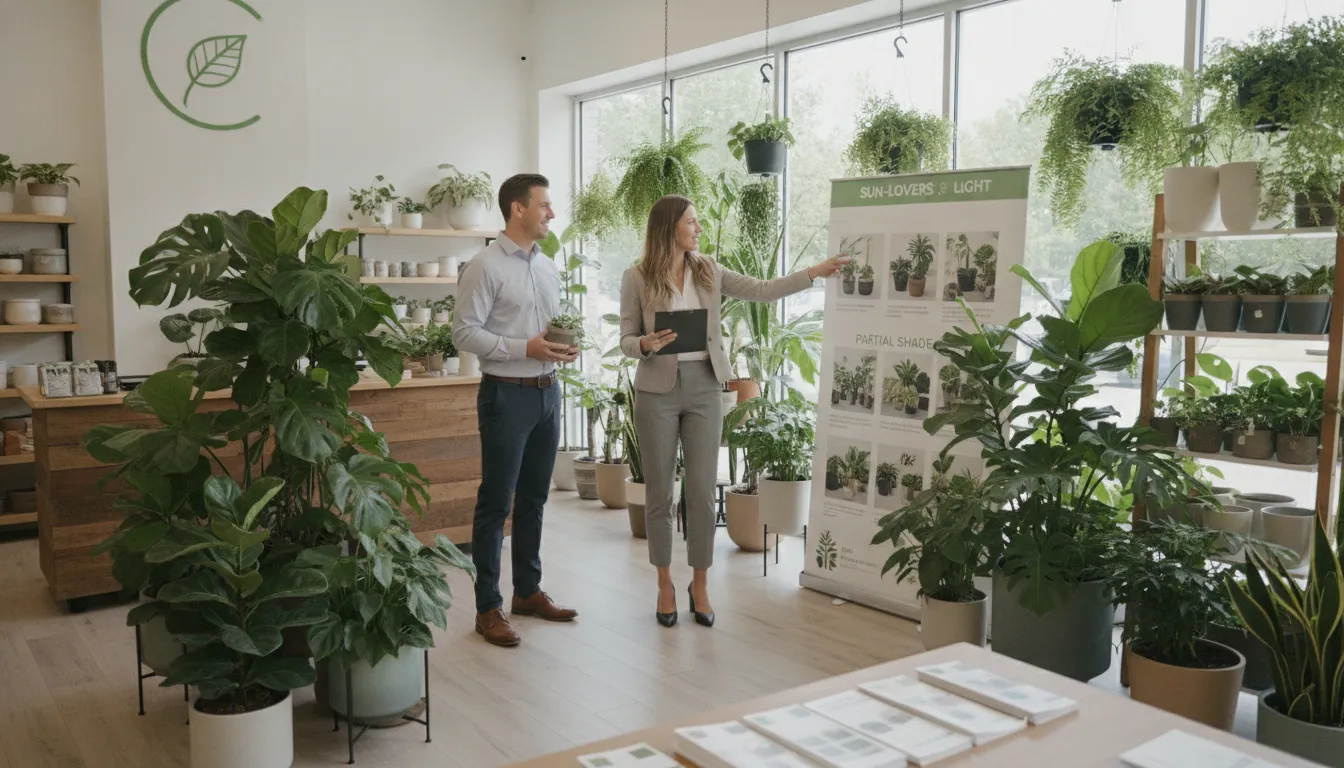
Sending a plant to a loved one sounds simple until you start comparing sizes, containers, delivery areas, care needs, and prices. The right plant store can simplify every step, from choosing an appropriate variety to adding a personal message and arranging same-day delivery. It can also help you avoid common mistakes, such as sending a sun-loving plant to a dark room or choosing a variety that needs more care than the recipient can provide. Whether you’re shopping in Salt Lake City, Portland, or the Seattle-Tacoma area, this guide will help you compare local plant stores and find an option that fits the occasion.
Key Takeaways
- Select plants for their intended setting: Consider available light, room size, climate, pets, children, and your care routine before choosing a variety.
- Assess quality and total value: Inspect leaves, stems, soil, roots, containers, and signs of pests, then factor in supplies, delivery, presentation, and customer support.
- Verify store details before ordering: Check current inventory, reviews, delivery areas, order deadlines, substitution terms, and replacement policies, especially when sending a gift in Salt Lake City, Portland, or Seattle-Tacoma.
What Should You Look for in a Plant Store?
The right plant store should make it easier to find a healthy plant that suits your home, lifestyle, and budget. Look beyond the number of plants on the shelves. Selection, plant quality, staff knowledge, delivery options, and customer service all shape the shopping experience.
A good store should also help you feel confident about your choice. Whether you are shopping for your own home or sending a plant and gift to someone in Salt Lake City, Portland, or the Seattle-Tacoma area, use the following checklist before you buy.
Match the store to your shopping goal
Start by deciding what you need the plant to do. You may want a small houseplant for an apartment, a statement plant for an entryway, herbs for a kitchen windowsill, or a thoughtful gift for someone special. Your answer can help you choose between a garden center, specialty plant shop, nursery, or full-service florist.
A store with a broad selection may be best for comparing sizes and varieties. A florist may be a better fit when you need a plant arranged in a decorative container, paired with a gift, or delivered the same day. Shoppers often value quality, variety, knowledgeable staff, and access to new plants, not just low prices, according to Proven Winners’ retail research.
Check plant health and quality
Take a close look at every plant before buying. Choose one with sturdy stems, clean leaves, dense foliage, and a balanced shape. The soil should not appear excessively wet, moldy, or filled with insects. Check the undersides of leaves and the joints between stems, where pests can hide.
Avoid plants with widespread yellowing, wilting, torn leaves, or mushy stems unless you are prepared to nurse them back to health. Inspect the pot, too. It should be stable, clean, and suitable for the plant’s size. Texas A&M AgriLife’s plant selection guidance recommends choosing plants that are sturdy, clean, well-shaped, well-potted, and covered in healthy foliage.
Choose knowledgeable staff and practical care advice
A good plant store should help you make a confident choice, especially if you are new to plant care. Ask how much light the plant needs, how often it should be watered, whether it prefers higher humidity, and how quickly it may grow. Staff should also explain whether the plant suits beginners or requires a more involved routine.
Pay attention to whether the advice feels specific to your home rather than generic. Helpful staff may ask about your windows, room temperature, schedule, and experience before making a recommendation. Consultation with garden center staff can strongly influence purchasing decisions, according to consumer research from the Floral Marketing Fund.
Ask about pet-safe plants and household conditions
If you have pets or young children, mention that before choosing a plant. Some popular houseplants can cause problems if cats, dogs, or children chew on their leaves. Ask staff to recommend options suited to your household, then verify the plant’s safety through a trusted resource such as the ASPCA’s toxic and non-toxic plant database.
Your home’s conditions matter, too. Consider available light, humidity, drafts, heating vents, room temperature, and the space you have. If you travel often or prefer a simple routine, ask about plants with low to moderate care needs. Larger plants, moderate growth rates, and longer bloom periods can be appealing choices, as the Floral Marketing Fund’s findings suggest.
Compare local, seasonal, rare, and specialty plants
Plant selection can vary widely from one store to another. Local and seasonal plants may suit your climate and outdoor space, while rare or specialty varieties can help you create a more distinctive collection. Compare each plant’s size, maturity, growing conditions, and availability before making a decision.
Do not assume the rarest plant is the best choice. A less expensive local variety may thrive with much less effort. Plant quality remains one of the most important purchasing factors, and selection also plays a major role in store choice, according to research from the University of Florida. Ask whether a plant is locally grown, seasonal, newly stocked, or difficult to replace.
Explore the store’s ambiance, workshops, and community offerings
A plant store can be more than a place to buy greenery. Some offer repotting services, care consultations, workshops, floral design classes, or community events. These extras can be useful if you want hands-on help choosing a plant or learning how to care for it after bringing it home.
The store’s atmosphere can also affect your experience. A calm, organized space with clear plant labels makes browsing easier, while a welcoming team can make it more comfortable to ask questions. Some neighborhoods combine plant shops with cafés, art spaces, wellness businesses, and local makers. Check the store’s website or social media pages for workshops and events before you visit.
Confirm hours, inventory, policies, delivery, and service areas
Check the store’s current hours before leaving home, especially around holidays and busy floral seasons. If you are searching for a specific plant, call or check online first because inventory can change quickly. Ask whether the store offers in-store pickup, local delivery, same-day delivery, or plant installation.
Before ordering, review the service area, delivery fee, order cutoff, and estimated arrival window. You should also understand the store’s policies for damaged plants, substitutions, returns, and replacements. These details matter when you are sending a plant or gift to someone in another city. Confirming store information before visiting or ordering is a practical step recommended by Visit Indy’s plant store guide.
Which Plant Stores Serve Salt Lake City, Portland, and Seattle-Tacoma?
The right plant store depends on what you’re shopping for. You might need a houseplant for a new apartment, outdoor plants for a garden, or a flowering gift delivered to someone you love. Nurseries usually offer a broad selection for landscaping and gardening projects, while florists can make it easier to order plants, arrangements, and gifts for delivery.
Before you visit, decide whether you want to shop in person, order online, pick up your purchase, or have it delivered. Plant availability changes with the season, so checking a store’s website or calling ahead can help you find what you need.
Start with our third-generation florist for plants, flowers, gifts, and same-day delivery
As a third-generation florist serving the greater Salt Lake City, Portland, and Seattle-Tacoma areas, we offer plants, flowers, and gifts for many occasions. A living plant makes a thoughtful birthday, housewarming, thank-you, sympathy, or just-because gift. It can also be a lasting alternative to a traditional floral arrangement.
Our team can help you choose a plant based on the recipient’s style, home, and care routine. If you’re ordering for someone in one of our service areas, same-day delivery makes it possible to send a meaningful gift even when you live somewhere else. Browse our plant and gift selection to find something suited to the occasion. You can also contact our team if you need help choosing an appropriate option.
Explore plant stores in Greater Salt Lake City
Greater Salt Lake City has several established nurseries and garden centers with plants selected for Utah’s growing conditions. Glover Nursery carries trees, shrubs, roses, perennials, annuals, privacy hedges, and hard-to-find varieties. It can be a helpful choice for landscaping projects or outdoor plants that need to handle the area’s climate.
Millcreek Gardens offers a wide selection of plants, along with gardening advice, classes, and community events. For indoor plants, tropicals, flowers, gifts, and interior landscaping, consider Cactus & Tropicals. If you’re looking for a specific plant, size, or container, check current inventory before visiting. A florist may be more convenient when you need a plant or gift delivered to a recipient.
Explore plant stores in Portland
Portland’s mild climate supports a wide range of indoor and outdoor plants. Local garden centers can help you choose varieties for patios, yards, balconies, and windowsills. Portland Nursery is known for its broad selection and knowledgeable staff, making it a useful stop for both gardening projects and houseplant shopping.
Garden Fever is another Portland option, offering plants, gardening supplies, and a community-focused shopping experience. Before you go, check for seasonal arrivals, workshops, and care guidance. If you’re buying a gift rather than planning a gardening project, compare these stores with a local florist that offers wrapped plants, floral arrangements, and delivery. That option can save time when the recipient lives across the Portland area.
Explore plant stores in Seattle-Tacoma
Seattle-Tacoma shoppers can choose from nurseries, garden centers, florists, and specialty plant shops. Swansons Nursery offers plants and gardening supplies, along with advice for selecting varieties suited to Pacific Northwest conditions. It’s a practical choice if you want to browse in person and ask questions before making a purchase.
The Garden Center at Molbak’s is another place to look for plants, containers, and gardening products. When choosing outdoor plants, consider sunlight, drainage, rainfall, and winter temperatures. These details affect how well a plant grows after you bring it home. For birthdays, sympathy gifts, or other occasions, compare local nursery options with a florist that delivers to the recipient’s neighborhood.
Compare in-store shopping, online ordering, pickup, and delivery
In-store shopping lets you inspect a plant’s leaves, shape, soil, and overall condition. You can compare sizes and containers, then ask staff about light, watering, and repotting. Online ordering is helpful when you’re short on time or sending a gift to someone in another city. Some local businesses, including Glover Nursery and Millcreek Gardens, offer ways to browse or shop online.
Pickup works well when you know what you want and can collect it on your schedule. Delivery is often the simplest option for plants, flowers, and gifts, especially for birthdays, congratulations, sympathy, or spontaneous surprises. Before ordering, check the delivery area, order cutoff time, available delivery dates, and any service fees. Same-day delivery may depend on the item, location, and time you place the order.
Verify local store details before you visit or order
Store hours, inventory, delivery areas, and pickup instructions can change throughout the year. Check the business’s website or call before leaving home, particularly if you need a specific plant, pot size, gift bundle, or delivery time. Ask whether the item shown online is currently available and whether the store allows substitutions.
For a delivery order, confirm the recipient’s address, access instructions, delivery window, and total cost. Review replacement, return, and damage policies before completing your purchase. If you’re sending a plant as a gift, provide any details that may help the florist or nursery make a suitable choice, such as the recipient’s favorite colors, pet ownership, or preferred plant style. Taking a few minutes to confirm these details can make the shopping and delivery process much easier.
What Can You Buy at a Plant Store?
A plant store can be much more than a place to pick up a houseplant. Depending on the shop, you may find indoor and outdoor plants, fresh flowers, decorative containers, gardening supplies, rare specimens, and gifts for nearly any occasion. Some stores specialize in low-maintenance greenery, while others focus on collector plants, seasonal selections, or supplies for growing food at home.
Before you shop, consider where the plant will live and how much care you can provide. A sunny windowsill, shaded apartment, office desk, patio, and garden bed each call for different varieties. Think about the recipient’s pets, schedule, and experience with plant care if you are buying a gift.
Local florists and plant shops may also offer delivery, which makes it easy to send something thoughtful to a loved one in Greater Salt Lake City, Portland, or Seattle-Tacoma. You might choose a potted plant for a housewarming, a floral arrangement for an anniversary, or a gift bundle for someone who enjoys gardening.
Choose indoor plants for homes, apartments, and offices
Plant stores typically carry indoor plants for a range of spaces, from compact apartments to large offices. Popular options include pothos, snake plants, peace lilies, philodendrons, ferns, palms, cacti, and succulents. You may also find flowering houseplants that add color without taking up much room.
Start by checking the light available near the plant’s intended location. A sunny windowsill may suit an herb or tropical plant, while a darker hallway may call for a low-light variety. Consider the plant’s mature size, watering needs, and growth habit, too. A compact plant can work well on a desk or shelf, while a larger specimen can fill an empty corner. Shops such as The Plant Room carry classic houseplants, cacti, succulents, and unusual specimens for different indoor settings.
Find outdoor plants for patios, balconies, and gardens
Outdoor plant selections can include annual flowers, perennials, shrubs, ornamental grasses, herbs, vegetables, and small trees. These plants can add color and texture to garden beds, patios, balconies, porches, and shared outdoor spaces. If you have limited room, ask about compact varieties that grow well in containers.
Your local climate, sunlight, wind exposure, and seasonal temperatures all affect which plants are likely to thrive. Ask a knowledgeable staff member to recommend options suited to your area. For patios and balconies, also check the plant’s mature height, container needs, and watering schedule. Local shops may carry regionally appropriate plants, pottery, and garden décor, as described in Visit Oakland’s guide to local plant shops.
Explore rare, exotic, collector, and unusual varieties
Some plant stores specialize in varieties that are less common at large retailers. Their selections may include patterned-leaf plants, unusual philodendrons, miniature orchids, uncommon begonias, carnivorous plants, rare succulents, and collector specimens. Distinctive colors, shapes, and growth patterns make these plants appealing to experienced plant owners and anyone looking for a memorable gift.
Rare plants can require more specific care than common varieties. Before buying one, ask about light, humidity, watering, soil, and temperature requirements. Check the plant for pests, damaged leaves, and signs of stress. Specialty shops may also sell handmade pottery, botanical goods, and care products. Crimson Horticultural Rarities is one example of a business that offers unusual plants alongside botanical and home goods.
Shop for succulents, tropicals, herbs, and low-maintenance plants
Succulents and cacti are popular for their interesting shapes and simple care routines. Tropical plants, such as calatheas, monsteras, and orchids, offer lush foliage but may need steady humidity and moisture. Herbs, including basil, rosemary, mint, and thyme, can bring fragrance and fresh ingredients to a kitchen, patio, or windowsill.
If you are new to plant care, ask a staff member to recommend sturdy varieties with manageable needs. Research from the Floral Marketing Fund found that many shoppers prefer plants with moderate growth rates, longer bloom periods, and low to medium maintenance needs. Choose a plant that fits your routine instead of one that demands more attention than you can give.
Find seasonal, edible, and wellness-focused plants
Plant stores often change their inventory throughout the year. Spring and summer selections may include vegetable starts, flowering annuals, herbs, and patio plants. Fall can bring mums, ornamental grasses, and seasonal arrangements, while winter selections may include evergreens, holiday plants, and indoor greenery.
Specialty shops may also carry edible plants, medicinal herbs, and botanical products. These can include culinary herbs, tea plants, aloe, lavender, and other plants associated with home wellness. Always confirm how a plant should be used before consuming it, since not every ornamental plant is edible or safe for people and pets. Snakeroot Botanicals offers an example of a shop that combines medicinal and culinary plants with herbal products and gardening supplies.
Choose pots, planters, baskets, pottery, and plant décor
The right container can complement a plant and make daily care easier. Plant stores may carry ceramic pots, woven baskets, hanging planters, decorative bowls, window boxes, and outdoor containers in different sizes and styles. You may also find saucers, plant stands, trellises, moss poles, and other accessories that support healthy growth or improve presentation.
Match the container to the plant’s root system and watering needs. In most cases, a pot should have drainage holes to prevent excess water from collecting around the roots. Check that the container is large enough for the plant to grow without overwhelming its current root system. When selecting the plant, look for dense foliage, sturdy stems, clean leaves, and a well-potted appearance. Texas A&M AgriLife’s plant selection guide offers additional advice on assessing plant quality.
Stock up on soil, fertilizer, tools, containers, and care supplies
A well-stocked plant store can help you find supplies for keeping plants healthy. Common products include potting mix, cactus soil, orchid bark, compost, fertilizer, pruning shears, watering cans, spray bottles, gloves, plant ties, and pest treatments. Some stores also carry moisture meters, grow lights, and repotting tools for indoor plants.
Ask whether the soil is designed for your plant type. Succulents, orchids, seedlings, and houseplants often need different mixtures. Fertilizer should also match the plant and season, so ask how often to apply it and how much to use. Research from the Floral Marketing Fund found that shoppers value convenient features, including suitable pot sizes and products that simplify plant care.
Find hydroponic supplies, growing kits, and indoor gardening products
Some plant stores serve indoor gardeners with hydroponic equipment and soilless growing supplies. Depending on the shop, you may find starter kits, nutrient solutions, grow lights, propagation tools, seed trays, water pumps, growing media, and containers designed for hydroponic systems. These products can support herbs, leafy greens, seedlings, and other plants grown indoors.
If you are new to hydroponics, start with a simple kit and ask how to manage light, water, nutrients, and airflow. More experienced gardeners may prefer a customizable system that fits a particular room or crop. Maximum Grow Gardening demonstrates how specialty shops can offer organic gardening supplies and custom hydroponic systems. Choose equipment that fits your available space and the amount of maintenance you want to handle.
Shop for plant gifts, floral arrangements, and gift bundles
Plants make thoughtful gifts for birthdays, anniversaries, housewarmings, sympathy occasions, new babies, and thank-you messages. A plant store or florist may offer blooming plants, potted greenery, terrariums, orchids, succulents, seasonal arrangements, and bundles that include a container, card, candle, or another small gift.
For someone who enjoys fresh flowers, an arrangement may be the best choice. For a recipient who prefers longer-lasting gifts, a low-maintenance plant can offer beauty well beyond the delivery date. Ask about the recipient’s pets, light conditions, and plant-care experience before choosing. Florists serving Greater Salt Lake City, Portland, and Seattle-Tacoma may also provide same-day delivery for plants, flowers, and gift bundles, which is helpful when you need to send something thoughtful on short notice.
How Do Plant Store Prices and Quality Compare?
Plant prices can vary widely, even when two plants look similar at first glance. A small houseplant from a garden center may cost less than a mature, carefully styled plant from a florist, but the difference may reflect more than size. The price can also include the container, growing time, care, delivery, and presentation.
Quality deserves equal attention. Research from the University of Florida found that consumers ranked plant quality among the most important factors when choosing ornamental plants, followed by price and color. When comparing stores, look at the complete offering instead of choosing the lowest number on the price tag.
Consider where the plant will live, who will care for it, and whether you are buying it for yourself or sending it as a gift. A healthy, gift-ready plant delivered to someone in Salt Lake City, Portland, or the Seattle-Tacoma area may offer more practical value than a cheaper plant that requires extra supplies, arranging, and transportation.
Compare plants by type, size, maturity, container, and care needs
Start by comparing similar plants. A six-inch pothos, a mature hanging basket, and a large floor plant may belong to the same family, but they require different amounts of growing time, space, and care. Check the variety, height, width, pot size, and maturity before comparing prices.
The container can affect the total cost. A plant in a basic plastic nursery pot will usually cost less than one arranged in a ceramic planter, woven basket, or decorative container. If you are buying a gift, find out whether the plant is ready to give or whether you need to purchase a pot, saucer, and wrapping separately.
Care needs should also guide your decision. A low-maintenance snake plant may suit a busy household better than a less expensive tropical plant that needs higher humidity and frequent attention. Ask whether the plant prefers bright, indirect light, direct sun, or a shadier location before you buy.
Inspect leaves, roots, soil, pests, and signs of stress
Take a close look at the plant before paying. Healthy plants should have sturdy stems, clean leaves, and full, balanced growth. Watch for yellowing, wilting, torn leaves, browning edges, or large bare sections. A few minor imperfections may be harmless, but widespread damage can indicate stress or poor care.
Check both sides of the leaves and the areas where leaves meet the stems. Tiny webs, sticky residue, white clusters, or speckled leaves may indicate pests. Inspect the soil for mold, standing water, or a sour smell. Extremely dry soil can point to neglect, while constantly wet soil may lead to root problems.
If the plant can be lifted safely, look for roots that are firm and light-colored rather than mushy or dark. The Texas A&M AgriLife Extension guide recommends choosing plants that are sturdy, clean, shapely, well-potted, and covered with dense, healthy foliage.
Consider growth rate, bloom time, hardiness, and long-term value
A plant’s price does not tell you how quickly it will grow or how long it will look its best. Check the expected growth rate, mature size, blooming season, and preferred conditions. A slower-growing plant may cost more upfront but stay manageable in a small home and require less pruning.
For flowering plants, ask how long the current blooms are expected to last and whether the plant is likely to rebloom. For outdoor plants, consider hardiness and seasonal conditions in your area. A variety that handles local temperature changes may provide more value than a less expensive plant that needs to be replaced after one season.
Maintenance affects the total cost, too. Research on garden center purchasing habits found that shoppers often preferred larger plants, moderate growth rates, longer bloom periods, and low- to medium-maintenance varieties. Match the plant to your available time, light, space, and watering routine.
Include pots, wrapping, delivery fees, and same-day service
The listed plant price may not include everything you need. Add the cost of a pot, saucer, soil, decorative wrapping, plant food, or other supplies. If you are sending a plant as a gift, ask whether the price includes a card, ribbon, delivery container, or message.
Delivery can change the comparison, especially when you need a plant delivered the same day. Check the delivery charge, order cutoff, delivery window, and service area. A local florist may charge more than a mass retailer for the plant itself, but the total may include careful preparation, local delivery, and a gift-ready presentation.
Ask how the store protects plants during transport. Plants can be damaged during handling, checkout, and delivery, so proper packaging matters. The Texas A&M plant care guide explains why transporting plants requires special care. Confirm that the plant will travel in conditions suited to its size and temperature needs.
Evaluate staff expertise, care advice, and customer support
Helpful advice can save you money after the purchase. Ask staff where the plant should be placed, how often it needs water, whether it needs added humidity, and when it should be repotted. A knowledgeable team should also explain common signs of stress and offer practical tips for helping the plant adjust to a new home.
Good service is especially useful when you are buying a plant as a gift or choosing a variety you have never owned. Staff may help you select a pet-friendly option, match a plant to a darker room, or choose a container that suits the recipient’s space. They can also suggest flowers, gifts, or a plant arrangement when you are unsure what to send.
Service may be part of the price. The 2025 retail survey from Proven Winners found that shoppers at independent garden centers placed more value on customer service than on price alone. Consider whether accessible advice, local knowledge, and responsive support fit your needs.
Review replacement, return, damage, and delivery policies
Before placing an order, read the store’s policies for returns, replacements, damaged plants, and missed deliveries. Live plants can respond to changes in light, temperature, and moisture, so a store may have specific rules about when you must report a problem.
For delivered plants, find out what happens if the recipient is not home, the address is incorrect, or the plant arrives damaged. Ask whether you need to provide photos and how quickly you must contact the store. If you are sending a gift, confirm whether the recipient can request help directly.
A clear policy does not guarantee that every order will be perfect, but it shows how the store handles problems. Look for straightforward instructions, reasonable response times, and an easy way to contact customer service. Save your order confirmation and delivery details until the plant has arrived safely.
Choose overall value, not just the lowest price
The least expensive plant is not always the best deal. A low-priced plant may need a new pot, pest treatment, or replacement soon after purchase. A healthier plant with strong growth, suitable soil, and careful packaging may cost more initially while providing a better experience over time.
Compare the full value of each option: plant health, size, maturity, container, care needs, delivery, presentation, and customer support. If you are sending a plant to a loved one, consider the convenience of ordering from a local florist that offers same-day delivery and gift-ready service.
Price can be a useful starting point, but it should not be the only deciding factor. Research on plant shoppers found that many buyers did not compare prices closely when choosing among plants in the same store. Focus on whether the plant is healthy, appropriate for its setting, and worth the total amount you will spend.
How Do Plant Store Reviews, Promotions, and Loyalty Programs Help?
Reviews, promotions, and loyalty programs reveal more than whether a plant store has attractive product photos. They can help you compare plant quality, customer service, delivery reliability, and the overall value of an order. This is especially helpful when you’re sending a plant or floral gift to someone in another city.
Use these details to compare plant stores and florists in Salt Lake City, Portland, and Seattle-Tacoma. Look beyond the star rating and check whether recent customer experiences match what you need, whether you’re shopping for your home or arranging same-day delivery for someone you love.
Read recent reviews about plant quality, variety, and service
Start with recent reviews that describe the plants customers actually received. Look for comments about healthy leaves, strong roots, fresh blooms, attractive containers, and careful packaging. A review that says “great store” is encouraging, but it may not tell you much about the plant’s condition or appearance.
Pay attention to patterns across several reviews. Repeated praise for healthy plants, thoughtful arrangements, and dependable service can point to consistent quality. Frequent complaints about wilted leaves, pests, damaged containers, or plants that look different from their photos deserve closer attention. Check the store’s website, Google Business Profile, and other trusted platforms. The Federal Trade Commission’s guidance on online reviews explains why honest, firsthand feedback matters.
Check feedback about staff knowledge, delivery, and order accuracy
Reviews can show how well a store handles details that are difficult to judge when you shop online. Customers may mention whether staff answered plant-care questions, helped them choose a suitable gift, or recommended a plant for a particular light level or home environment.
Delivery feedback is just as important. Look for comments about arrival times, packaging, communication, and whether the delivered plant or arrangement matched its description. If you’re ordering for a birthday, anniversary, sympathy occasion, or housewarming, reviews may reveal how reliably the florist handles card messages, addresses, substitutions, and delivery instructions.
See how the store handles questions and customer concerns
A store’s response to customer questions can give you an idea of its service before you place an order. Check whether the business provides clear answers about plant care, availability, delivery areas, container sizes, and possible substitutions.
It’s also worth reviewing how the store responds when an order does not go as planned. A damaged plant or late delivery is disappointing, but the response can show whether the business takes responsibility and offers a reasonable solution. Look for replies that acknowledge the concern, explain the next step, and treat the customer respectfully. You can also contact the store before ordering with a specific question. The speed and quality of the response may help you decide whether it’s the right fit.
Watch for complaints about availability, pricing, plant health, and policies
One negative review does not necessarily mean you should avoid a store. Plants are living products, and weather, seasonal availability, and delivery conditions can affect an order. However, repeated complaints about the same issue deserve your attention.
Watch for patterns involving unavailable plants, unexpected substitutions, unclear pricing, poor plant health, or fees that appear late in checkout. Read comments about cancellations, replacements, refunds, and delivery policies as well. A store may have clear rules that explain these situations, so review them before ordering. The USDA’s plant health resources offer helpful background on why plants require careful handling and transportation.
Look for seasonal sales, plant-and-gift bundles, and delivery offers
Promotions can help you choose a thoughtful gift while keeping your order within budget. Look for seasonal sales, plant-and-gift bundles, free delivery thresholds, and special offers tied to holidays or local events. A potted plant paired with a card, candle, chocolates, or another gift can save you from shopping for each item separately.
Read the offer details before adding an item to your cart. Check whether the discount applies to every plant or only selected products, and confirm whether delivery fees are included. Some promotions have limited availability or order cutoffs, particularly around busy floral holidays. Compare the final order total, not just the advertised discount, to understand the offer’s actual value.
Ask about welcome, birthday, referral, and repeat-customer rewards
A loyalty program may be useful if you regularly order plants, flowers, or gifts. Ask whether the store offers a welcome discount, birthday offer, referral credit, or rewards for repeat purchases. These benefits can help if you often send flowers to family members or buy plants for your home or office.
Some florists also offer subscriber-only promotions or early access to seasonal arrangements. Before signing up, check how the store uses your email address or phone number and how often it sends messages. Choose a program with benefits you’re likely to use instead of joining several programs with complicated requirements.
Review loyalty program minimums, expiration dates, exclusions, and redemption rules
Loyalty rewards often come with conditions. Check how many points or purchases you need before receiving a discount, whether rewards expire, and whether certain products or holidays are excluded. Some programs may not allow rewards to cover delivery charges, taxes, gift cards, or large seasonal orders.
Confirm whether points apply to every purchase or only qualifying items. It’s also helpful to ask whether you can combine a reward with another promotion and what happens if an order is canceled or refunded. Clear terms can prevent surprises at checkout. If the policy is difficult to find, contact the store and ask for a simple explanation before enrolling.
Confirm current prices, promotions, inventory, and review details
Store information can change with the season, especially for live plants, floral arrangements, and same-day delivery. Confirm the current price, container size, available colors, and included gifts before ordering. If a product page says “similar” or “designer’s choice,” check whether the florist may substitute a comparable plant or arrangement.
Verify the delivery area and order cutoff for the recipient’s address as well. For orders in Greater Salt Lake City, Portland, or Seattle-Tacoma, a third-generation florist that offers plants, flowers, gifts, and same-day delivery can make last-minute gifting more convenient. Before completing your purchase, review the final total, delivery date, card message, and any promotion or loyalty discount applied.
What Should You Do Before Buying From a Plant Store?
A little planning can help you choose a plant that stays healthy after you bring it home. Before visiting a plant store or ordering online, consider where the plant will live, how much care you can provide, and whether the store’s delivery and support options suit your needs.
These steps can help you find the right plant for your home, office, patio, or a loved one’s space.
Match the plant to your light, space, climate, and care routine
Start by checking the spot where the plant will live. Is it exposed to direct sunlight, low light, drafts, or changing temperatures? Measure the area, too, including the height and width available on a shelf, table, windowsill, or patio. Remember that a young plant may grow beyond its original size.
Your routine matters just as much as your space. If you travel often or prefer simple care, ask about low-maintenance plants with modest watering needs. If you enjoy gardening, you may be happy with a variety that needs regular pruning, feeding, or seasonal care.
For outdoor plants, consider your local climate and growing conditions. A plant that thrives in one region may struggle with another area’s heat, cold, or rain. Research from the University of Florida on ornamental plant preferences found that plant quality is one of the most important factors shoppers consider, so look for quality while making sure the variety suits your setting.
Consider pets, children, humidity, temperature, and household conditions
Think about the people and animals who share your home before choosing a plant. Some popular varieties can be harmful if pets or young children chew on their leaves, stems, or soil. Tell the staff if you have cats, dogs, or small children, and ask which plants are suitable for your household. The ASPCA’s toxic and non-toxic plant database can also help you research specific varieties.
Your home’s humidity and temperature matter, too. A bathroom may suit a humidity-loving tropical plant, while an area near a heater or air conditioner may be too dry. Strong afternoon sun can scorch delicate leaves, and cold drafts can stress tropical varieties.
Check nearby shelves, walkways, windows, and furniture before you buy. The plant needs room to grow without blocking a path or brushing against curtains.
Ask about watering, repotting, fertilizing, pruning, and seasonal care
Ask the staff to explain the plant’s basic care routine before you buy it. Find out how often it usually needs water, whether the soil should dry between waterings, and how to tell when it needs attention. Watering needs can change with the season, light level, temperature, pot size, and soil type, so a fixed schedule may not always work.
You can also ask whether the plant needs repotting now or can remain in its current container. Confirm which soil mix and fertilizer it needs, how often to feed it, and whether pruning will help maintain its shape.
Take a close look at the plant before bringing it home. Healthy options should have sturdy stems, dense foliage, clean leaves, and a secure container. Texas A&M AgriLife Extension’s plant selection guidance recommends choosing plants that are shapely, well-potted, and free from obvious signs of stress.
Choose compatible pots, soil, fertilizer, and placement
The right supplies can make plant care much easier. Ask whether the pot has drainage holes and whether it is large enough for the root system. If you prefer a decorative container without drainage, use a nursery pot inside it. This allows excess water to escape and helps protect furniture and floors.
Choose soil made for the plant’s needs. Succulents and cacti generally need a fast-draining mix, while many tropical plants prefer soil that holds some moisture. Ask which fertilizer is suitable and how often to use it. Applying too much fertilizer can damage the roots, so follow the store’s instructions.
Placement matters after you get home. Put light-loving plants near a bright window, keep shade-tolerant varieties away from harsh afternoon sun, and avoid vents or drafty doorways. Proper plant selection is a key factor in long-term survival, according to Texas A&M’s plant care guidance.
Confirm delivery times, order cutoffs, pickup instructions, and service areas
If you are ordering online or sending a plant as a gift, review the delivery details before paying. Check whether the store serves the recipient’s address, which delivery dates are available, the order cutoff time, and whether a delivery fee applies. Same-day delivery may depend on the order time, current inventory, and delivery location.
Ask how the plant will be packaged and whether someone needs to be home. For pickup orders, confirm the store address, pickup window, parking details, and identification requirements. Review the order carefully to make sure the plant, container, card, and gift message are correct.
These details are especially important when sending a plant to someone in the Salt Lake City, Portland, or Seattle-Tacoma area. Service areas and delivery schedules can vary by location, so check the information for the specific store handling your order.
Review return, replacement, damage, and delivery policies
Read the store’s policies before placing an order, especially when buying a delicate plant or arranging delivery for someone else. Find out what happens if the plant arrives damaged, goes to the wrong address, or differs from the product description. Depending on the store, you may receive a replacement, refund, or store credit.
Check the deadline for reporting a problem and find out whether the store requires photos. Keep your order confirmation, delivery details, and pictures if the plant arrives with broken stems, wilted leaves, spilled soil, or a damaged container.
A clear policy gives you a better idea of what support to expect. It also shows how the store handles customer concerns. Before ordering, review the company’s customer service information and contact the store if any policy is unclear.
Recheck store information before you visit or order
Store details can change during holidays, busy delivery periods, and seasonal sales. Before leaving home, confirm the current hours, address, phone number, parking information, and pickup instructions. If you want a specific plant, call ahead to ask whether it is in stock instead of relying on an older listing.
Online inventory can change quickly, too. A plant may sell out, arrive in a different size, or be replaced with a similar variety. If you are buying a gift, ask whether the store will contact you before making a substitution.
Before completing a delivery order, double-check the recipient’s name, address, apartment or suite number, phone number, delivery date, and gift message. Reviews and customer feedback practices can offer helpful insight into a store’s service, but confirming important details directly can prevent avoidable delays and mistakes.
Frequently Asked Questions
What is the best place to buy a houseplant?
The best option depends on what you need. A nursery or garden center may offer more varieties for landscaping and outdoor growing, while a florist can be a convenient choice for decorative plants, gift arrangements, and local delivery. Look for healthy plants, clear care guidance, and service options that fit your plans.
How can I tell if a plant is healthy before buying it?
Look for firm stems, clean leaves, full growth, and soil that is neither soaked nor extremely dry. Check the underside of the leaves and the areas where stems meet for insects or residue. Avoid plants with widespread wilting, mushy stems, mold, or extensive leaf damage.
What should I consider when choosing a plant for my home?
Think about the available light, room temperature, humidity, space, and your usual care routine. You should also consider pets and children, since some plants may be unsafe if eaten. Ask the store team about mature size, watering needs, and whether the plant is suitable for beginners.
Are plants a good gift for birthdays, housewarmings, and sympathy occasions?
Yes. A potted plant can be a lasting gift for many occasions, especially when paired with a decorative container, card, or small gift. Choose a low-care variety if you are unsure about the recipient’s experience, space, or schedule. A florist can also help select a plant or arrangement that suits the occasion.
Can I order plants for same-day delivery in Salt Lake City, Portland, or Seattle-Tacoma?
Many local florists offer same-day delivery for select plants, flowers, and gifts in their service areas. Availability can depend on inventory, delivery location, and the time the order is placed. Confirm the cutoff time, delivery fee, available products, and recipient details before completing your order.

