
Gladiolus Flower Guide: Meaning, Growing, and Care
Find out what the gladiolus flower means, how to grow it, and simple care tips for healthy blooms at home or in your garden.
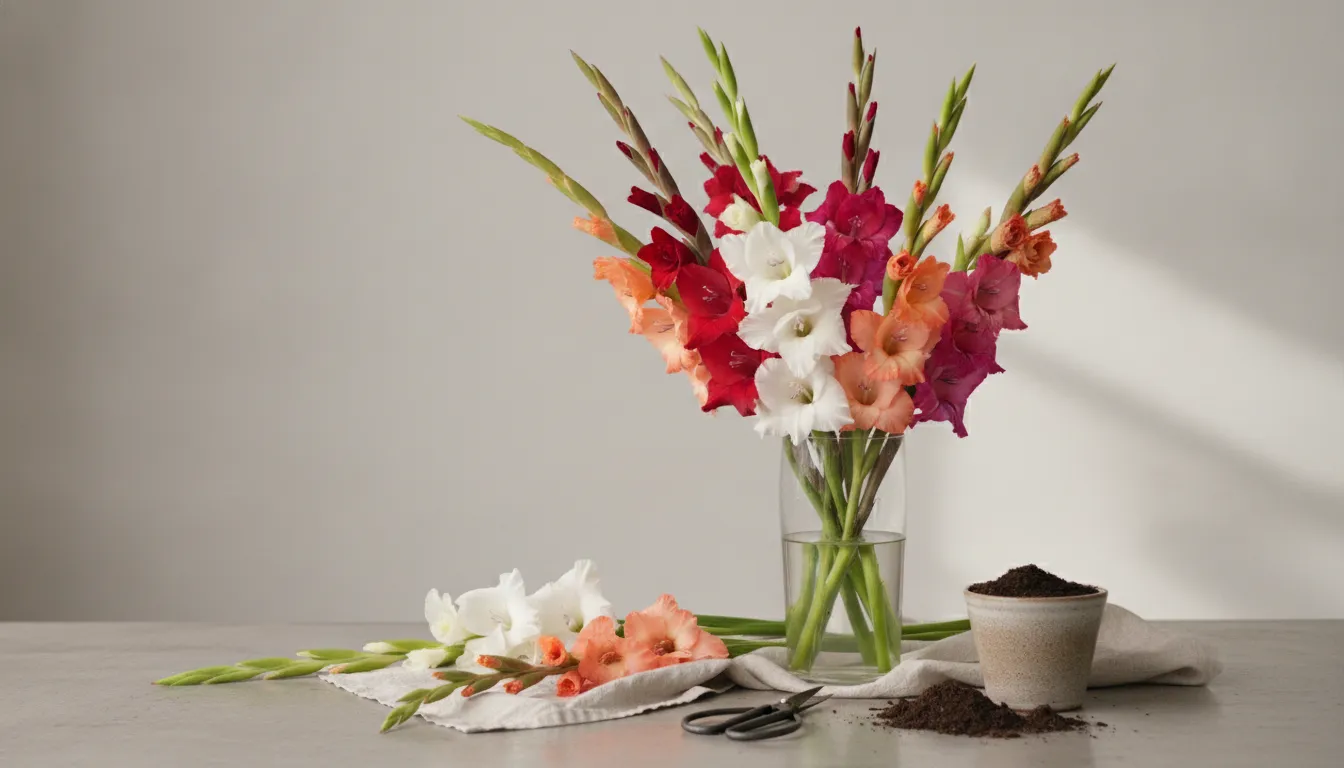
Some flowers catch your eye with a single large bloom. Gladiolus draws attention in a different way: its tall spike carries a sequence of flowers, with fresh florets opening as others fade. That gradual display makes it a lively addition to a home and a distinctive choice for a gift. The gladiolus flower is also associated with strength, honor, and devotion, so it can suit occasions that call for a heartfelt message. This guide explains how to choose fresh stems, what different colors may express, and how to help cut gladiolus last. You’ll also find practical growing advice for gardeners in varied climates.
Key Takeaways
- Use gladiolus to add height and color: Pair its upright stems with rounded blooms and greenery for a balanced bouquet.
- Choose stems with the occasion in mind: Gladiolus can express strength, admiration, or devotion, while color helps personalize the message.
- Keep cut flowers fresh with simple care: Use a clean vase and fresh water, trim stems at an angle, and remove fading florets.
What Is a Gladiolus?
Gladiolus is a summer-blooming flower with tall stems and a distinctive line of colorful blooms. Also called sword lily, it adds height and structure to garden beds and floral arrangements alike.
Tall spikes, sword-shaped leaves, and funnel-shaped blooms
Gladiolus plants grow from underground corms and send up tall flower spikes, often about 3 to 4 feet high. Long, pointed leaves give the plant its sword lily nickname. Along each spike, funnel-shaped flowers called florets grow in a row, sometimes with as many as 20 buds on one stem. Each flower has six similar parts called tepals, and the blooms usually face mostly toward one side of the spike.
That upright shape makes gladiolus an eye-catching choice in a garden and a natural way to add height to a bouquet. It pairs well with rounded flowers and greenery, which bring contrast to its strong, linear form. Longfield Gardens’ gladiolus guide explains more about the plant’s shape and blooms.
How florets open from the bottom up
Gladiolus florets open one by one, starting at the bottom of the spike and moving upward. This gradual flowering gives the stem a changing look: lower flowers may be open while the buds near the tip are still waiting to bloom. In the garden, that sequence helps the flower spike stay colorful over time. In a vase, it means new florets may open after the stem has been cut.
To keep a cut stem looking fresh, remove individual blooms as they fade and leave the unopened buds in place. A gladiolus stem can bloom for up to two weeks, depending on its freshness and care. For a gift or celebration, this steady progression of blooms gives an arrangement a sense of movement and keeps it interesting as the days pass.
Corms and popular varieties
Gladiolus grows from corms, rounded underground structures that store energy for the plant’s next season of growth. They are often mistaken for bulbs, but corms have a different structure. Healthy corms help the plant produce strong stems and flowers.
There are more than 250 gladiolus species, plus many cultivated varieties. Their blooms come in a broad range of colors, including white, green, yellow, orange, pink, red, lavender, violet, and tan. Growers commonly raise gladiolus as a cut flower because its long stems and varied colors suit bouquets and larger arrangements. When choosing stems, consider both color and shape: gladiolus adds height, while softer, rounded blooms can balance its upright form. Mississippi State University Extension’s gladiolus guide covers varieties and cut-flower growing.
What Do Gladiolus Flowers Symbolize?
Strength, integrity, admiration, and devotion
Gladiolus flowers are often associated with strength, courage, honor, and integrity. Their tall, upright stems suggest standing firm, while their lasting blooms can represent resilience and devotion. These meanings make gladiolus a thoughtful way to recognize someone’s determination, celebrate a lasting relationship, or show how much you admire them.
The flower’s name comes from the Latin word gladius, meaning “sword,” which adds to its connection with courage and strength. Give gladiolus for a milestone, a heartfelt thank-you, or a message of support. Its symbolism is a lovely starting point, and you can explore more in this guide to gladiolus as a symbol of strength and respect.
What gladiolus colors can symbolize
Gladiolus color can add another layer of meaning to a bouquet. Red blooms can express love, passion, and courage, while pink flowers often suggest admiration, compassion, or gentle affection. White gladiolus can convey sincerity, peace, and remembrance, making it a thoughtful choice for a memorial arrangement or a message of support.
Yellow blooms bring a cheerful note of friendship, gratitude, and optimism. Purple can feel elegant and admiring, while orange adds warmth, energy, and a celebratory spirit. These associations are helpful inspiration, not strict rules. Choose a color that feels right for the person and occasion, or mix shades for a personal touch. A florist can help pair gladiolus with complementary flowers and greenery.
August’s birth flower and its Roman and Victorian roots
Gladiolus is August’s birth flower, making it a meaningful addition to a birthday bouquet for someone born that month. Its associations with strength and admiration also suit personal achievements, new chapters, and celebrations of someone you’re proud to know. For a birthday surprise in Salt Lake City, Portland, or the Seattle-Tacoma area, check local availability for same-day delivery.
Gladiolus also has roots in Ancient Roman symbolism, where it was linked with victory, bravery, and honor. Its sword-shaped leaves reinforced those associations, and gladioli petals were reportedly given to victorious gladiators. In Victorian times, flowers were often chosen to express feelings, adding another layer to the tradition of giving blooms with meaning. Read more about gladiolus as August’s birth flower and let its history inspire a thoughtful gift.
Which Gladiolus Colors and Varieties Should You Choose?
Popular colors, forms, and bloom sizes
Gladiolus flowers come in an appealing range of colors, including red, pink, purple, yellow, orange, white, and green. Choose a shade that suits the occasion or reflects the recipient’s style. A bouquet in one color can feel polished and calm, while a mix of bright shades brings a more festive look.
Bloom size can shape the arrangement, too. Gladiolus florets range from miniature blooms under 2½ inches across to giant blooms larger than 5½ inches. Larger blooms make a bold focal point; smaller ones offer a lighter touch. For more detail on the range of gladiolus colors and bloom sizes, see the Mississippi State University Extension guide.
Choose stems for birthdays, celebrations, and remembrance
Gladiolus is commonly associated with strength, courage, honor, and devotion. Those meanings make it a thoughtful choice for birthdays, graduations, promotions, and anniversaries. Its tall, upright stems also suit moments of remembrance, when flowers can offer a quiet expression of care and support. You can explore the symbolism and history of gladiolus for inspiration, then choose colors and companion flowers that feel personal.
For a celebration, pair gladiolus with seasonal blooms in lively colors. For a more understated tribute, choose a simple palette and let the stems create an elegant focal point. When sending flowers to someone in Salt Lake City, Portland, or the Seattle-Tacoma area, consider the recipient’s taste and where they might display the arrangement.
What to look for in fresh gladiolus
Choose firm, upright stems with healthy-looking leaves and florets that aren’t bruised or discolored. If you want the flowers to keep opening at home, look for stems where the lowest two or three florets show color, while several florets above them remain closed. This gives the arrangement room to change over the next few days.
If you’re cutting gladiolus from your garden, the Mississippi State University Extension guide recommends harvesting when the lowest florets show color or the first one opens. Use clean tools, then place the stems in clean water promptly to help prevent wilting.
When Do Gladiolus Flowers Bloom?
Bloom season and what affects flowering
Gladiolus bloom in summer, growing from underground corms and sending up tall flower spikes. A spike typically reaches about 3 to 4 feet and can carry up to 20 buds. The florets open one at a time, starting at the bottom of the spike, so the stem can flower for up to two weeks.
Bloom time depends on when you plant and the conditions in your garden. Gladiolus need warmth to grow, so planting too early can expose new shoots to frost. Sunlight, soil, and regular watering also affect how well the plants develop. For more on gladiolus growth and flowering, see Longfield Gardens’ growing guide.
Stagger planting for a longer bloom season
Planting all your corms at once can bring a large flush of flowers, followed by a quieter garden. To enjoy blooms over a longer stretch of summer, plant a small group each week. The corms will grow on slightly different schedules, allowing fresh spikes to appear as earlier flowers fade.
Plan your final planting with your local frost date in mind. Longfield Gardens recommends making it about 12 weeks before the first expected frost, giving plants time to grow and flower before cold weather sets in. Check local frost information before you start, since timing varies by region. If you’re choosing corms for a garden display, varieties with different flowering times can also help extend the season.
Time planting and corm storage for your climate
Plant gladiolus corms after the last frost, once the soil has warmed. Because frost dates vary from place to place, local guidance is more useful than a planting date from another region. In colder climates, gardeners can grow gladiolus as annuals or lift the corms in fall and store them indoors over winter. In mild climates, corms may be able to stay in the ground.
If you lift corms, let the foliage mature before cutting it back. Then store the corms in a cool, dry place. Mississippi State University Extension’s gladiolus guide describes how planting and storage practices vary with climate. For advice tailored to your area, check with your local extension service.
How Do You Grow Gladiolus?
Gladiolus grows from corms, which send up tall flower spikes in summer. For healthy plants, choose a sunny spot, plant after the last frost, and keep the soil evenly moist. If your area has cold winters, you’ll also need to lift and store the corms before the ground freezes.
Choose a sunny spot with well-draining soil
Pick a spot that receives at least six hours of direct sunlight each day. Gladiolus can tolerate some partial shade, but a sunny location generally encourages stronger growth and more flowers. The soil should drain well, since standing water can cause corms to rot.
Before planting, loosen the soil and remove weeds and stones. If your garden has heavy clay soil, work in compost or choose a raised bed to improve drainage. You can also check the area after rain: water should soak into the ground instead of pooling on the surface. The Mississippi State University Extension growing guide has additional advice on choosing and preparing a planting site.
Plant healthy corms after the last frost
Wait until the last spring frost has passed and the soil has begun to warm. Planting corms in cold, wet soil can slow their growth and increase the risk of rot. Frost dates vary by location, so check local guidance before planting. Gardeners in the Salt Lake City area may have a different planting window than those in Portland or Seattle-Tacoma.
Choose firm corms that show no soft spots, mold, or damage. To enjoy flowers over a longer period, plant small groups of corms every seven to 14 days during the planting window. This approach can extend the supply of blooms, according to the Mississippi State University Extension guide.
Set corm depth, spacing, and orientation
Plant corms about 3 to 5 inches deep and 4 to 6 inches apart. Leave 12 to 36 inches between rows if you’re planting in a bed, so you have room to water, weed, and cut the flowers. Check the package for variety-specific instructions, especially if your corms are unusually large or small.
Set each corm with its pointed end facing up and its flatter base facing down. Cover it with soil, then water gently to settle the ground. If you’re unsure which end is up, place the corm on its side. The shoot will grow toward the surface. These depth and spacing recommendations are also included in the Mississippi State University Extension planting instructions.
Water, feed, stake, and deadhead plants
Keep the soil evenly moist as gladiolus grows, especially during hot or dry weather. About an inch of water per week is a useful guide, but adjust for rainfall and local conditions. Water at the base of the plants when you can, and avoid leaving the soil soggy. Mulch can help the ground retain moisture and keep weeds down.
Follow the label on a balanced garden fertilizer, or add compost to support healthy growth. Tall flower spikes may need stakes, particularly in windy areas. Tie stems loosely so they stay upright without being pinched. Once florets fade, remove them or cut the spent flower spike, but leave green foliage in place. The leaves help replenish the corm for the next growing season. The extension guide recommends steady moisture to support flower-spike development.
Lift and store corms in cold-winter climates
In areas with cold winters, lift corms after flowering when the leaves begin to yellow and die back. If frost is approaching, don’t wait for the foliage to disappear completely. Loosen the soil carefully with a garden fork and lift the clump without cutting into the corms. Brush away loose soil, then let them dry in a sheltered, well-ventilated place.
Once the foliage has dried, remove it and store the corms in a cool, dry place where they won’t freeze. Use a breathable paper or mesh bag to allow air to circulate, and check the corms occasionally. Discard any that become soft or moldy. In mild climates, corms may remain in the ground if the soil drains well. Southside Blooms’ gladiolus guide also covers when to lift corms and how to store them over winter.
What Gladiolus Care Mistakes Should You Avoid?
A few simple adjustments can help gladiolus grow sturdy stems and produce healthy blooms. Pay attention to sunlight, soil moisture, and signs of stress throughout the growing season. After flowering, keep the foliage intact so the corm can store energy for next year.
Planting in shade or waterlogged soil
Gladiolus grow best in full sun, where they can develop strong stems and flower spikes. A spot with partial shade may still work, but deep shade can limit growth and reduce flowering. Choose a location that receives several hours of direct sunlight each day.
Good drainage is just as important. Corms planted in soil that stays wet can rot, particularly after heavy rain. Avoid low areas where water gathers. If your soil drains slowly, consider a raised bed or improve the planting area before you begin. The Mississippi State University Extension Service recommends loose, well-draining soil for gladiolus. Check the site after a rainfall: standing water is a sign to choose another spot or improve drainage.
Overwatering or letting soil dry out
Gladiolus need steady moisture while their stems and flower spikes develop. Water deeply when the soil begins to dry, then let excess water drain away. About one inch of water per week, including rainfall, is a useful guide for healthy flower-spike development, according to the Mississippi State University Extension Service.
Both soggy soil and prolonged dryness can stress plants. Too much water raises the risk of corm rot, while too little may interfere with growth and flowering. Check the soil before watering, and adjust your routine during hot, dry spells or rainy weather. Mulch can help conserve moisture, but keep it from touching the stems. Consistent checks are more reliable than watering on a fixed schedule.
Ignoring wind damage, thrips, rot, or unhealthy corms
Gladiolus flower spikes can become tall and heavy as the florets open. Wind and rain may bend or break them, so add support before the stems begin to lean. Tie individual stems loosely to slender stakes, or use stakes and twine to support a group. Longfield Gardens recommends staking gladiolus to help keep flower spikes upright.
Check plants regularly for pests and signs of rot. Thrips are tiny insects that feed on plant juices and can damage developing flowers. Remove badly affected plant material, and consult local gardening advice about treatment. Before planting, inspect corms and choose firm ones without soft spots, mold, or visible damage. Discard corms that appear rotten rather than planting them alongside healthy ones.
Cutting foliage before it matures
Once gladiolus blooms fade, remove the spent flower stalk if you like, but leave the leaves in place. Green foliage continues to gather energy and store it in the corm, supporting growth in the next season. Cutting leaves while they are still green can leave the corm with fewer reserves.
Wait until the foliage yellows and dies back naturally before trimming it. If you plan to lift and store corms for winter, this waiting period is especially important. Continue caring for the plant while its leaves remain green, then reduce watering as they fade. Longfield Gardens advises keeping gladiolus foliage after flowering so the corm can replenish its energy.
When and How Should You Cut Gladiolus?
Harvest when the lowest florets show color
For the best balance of freshness and vase life, cut gladiolus when the lowest two or three florets begin to show color. The buds higher on the spike will still be closed, giving them time to open after you bring the stems indoors. If you plan to arrange the flowers right away, you can wait until the first one or two florets open.
If you’ll transport or store the stems before arranging them, cut them when the lowest buds just begin to show color. Harvesting at this earlier stage helps protect the blooms in transit. The Mississippi State University Extension Service’s gladiolus guide offers additional advice on choosing the right harvest stage.
Use clean tools and leave foliage to feed the corm
Use sharp, clean shears or a knife to cut each stem. Clean tools help reduce the risk of spreading disease between plants, and a sharp blade makes a tidy cut. Make a slight diagonal cut above the second to fourth leaf, leaving plenty of healthy foliage on the plant.
Place the cut stems in clean water right away to help prevent wilting. Once the blooms fade, leave the plant’s remaining foliage in place. The leaves continue to collect energy for the corm, the underground structure that stores nutrients for the next growing season. The extension service’s growing recommendations explain why the foliage should remain after flowering.
Choose upright stems with plenty of unopened florets
Choose upright stems with firm florets and several unopened buds near the top. These buds can continue to open in the vase, extending the display. Skip stems with bent spikes, damaged petals, or florets that look wilted or discolored.
For an arrangement you’ll enjoy right away, select a stem with the first two florets open. As lower blooms fade, remove them to keep the spike looking neat. Gladiolus florets open from the bottom upward, so a stem with open flowers and closed buds offers color immediately, with more blooms to come.
How Do You Care for Cut Gladiolus?
Gladiolus stems can continue opening after you bring them home, so regular care helps each spike stay fresh as the florets bloom in sequence. Start with a clean vase, fresh water, and flower food. Trim the stems, remove any leaves that would sit below the waterline, and place the arrangement somewhere cool and away from direct sunlight or heat.
Check the water every day or two, and change it if it looks cloudy. When you refresh the vase, clean it and recut the stems to help them take up water. Remove fading florets as they finish, too. A few simple steps can help you enjoy the flowers from the first open blooms to the last.
Trim stems and remove leaves below the waterline
Use clean, sharp scissors or floral snips to trim about an inch from the bottom of each stem at an angle. Place the stems in water soon after cutting so they can rehydrate. If you’re arranging several stems, trim them to different heights to create a balanced display while keeping the blooms visible.
Remove leaves that would sit below the waterline, but leave the upper foliage in place. Leaves submerged in water can break down and make it harder to keep the vase clean. Check the stems again after arranging, especially if you adjust the water level. Southside Blooms’ gladiolus care tips also recommend angled stem cuts and removing leaves below the waterline.
Use a clean vase, fresh water, and flower food
Wash the vase with warm, soapy water and rinse it well before arranging your gladiolus. Fill it with fresh, room-temperature water, then add flower food according to the packet directions. Flower food helps nourish cut blooms, so use the recommended amount rather than adding extra.
Choose a vase tall and sturdy enough to support the stems, with enough room for water to reach their cut ends. Keep the arrangement away from direct sun, heaters, and other warm spots. For conditioning cut stems, Mississippi State University Extension recommends using a flower-food solution at room temperature. If you don’t have flower food, clean water and a freshly washed vase are still a good start.
Recut stems and refresh water regularly
Check the water level daily, since tall gladiolus stems can drink more than you expect. Every few days, empty the vase, rinse it, and refill it with fresh water and flower food. If the water turns cloudy sooner, change it right away.
When refreshing the vase, use clean snips to trim a small amount from the bottom of each stem. This gives the stems a fresh surface for taking up water. Remove any fallen leaves or florets from the vase as well, since plant material left in the water can affect its cleanliness. Mississippi State University Extension’s growing and handling guide offers additional advice for preparing gladiolus stems and keeping blooms in good condition.
Help buds open and remove fading florets
Gladiolus florets open from the bottom of the stem upward, so unopened buds at the top are a normal part of the display. Keep the vase filled with fresh water and place it in a comfortable room while the remaining flowers develop. If you’re planning to give the arrangement for a birthday or celebration, allow time for some of the buds to open before the occasion.
As individual florets fade, gently remove them to keep the spike looking tidy. Once the first two blossoms are open, you can also remove the top two or three buds to encourage the remaining florets to open in sequence. Longfield Gardens’ gladiolus guide recommends this approach for cut arrangements and advises removing spent blooms as they fade.
How Can You Use Gladiolus in Floral Arrangements?
Gladiolus adds height, color, and a graceful shape to floral arrangements. Its tall stems can make a statement on their own or bring structure to a mixed bouquet, making it a lovely choice for celebrations and thoughtful gifts.
Add height and a focal point with tall spikes
The upright stems of gladiolus naturally draw the eye, making them a useful focal point in a bouquet. Place a few stems toward the back or center of an arrangement, then add shorter flowers around them to create a layered look. A single stem or small group in a tall vase can also make a simple, elegant display.
Gladiolus works well with flowers and foliage because its strong vertical lines give an arrangement structure. The Mississippi State University Extension Service describes gladiolus as a flower that can stand alone or pair with other blooms and greenery. Its florets open from the bottom upward, so lower flowers can be in full bloom while buds near the tip continue to open.
Pair gladiolus with complementary flowers and greenery
Combine gladiolus with blooms that offer a contrast in shape and size. Rounded flowers, such as roses or hydrangeas, soften its tall lines, while delicate filler flowers add a lighter touch. Greenery can tie the different textures together and give the bouquet a natural, finished appearance. Gladiolus’s height and vivid color make it a versatile partner for many flowers.
For a gentle palette, pair white gladiolus with blush or pale pink blooms. To create a more colorful arrangement, choose contrasting shades and repeat those colors in smaller flowers or accents. If you’re sending a bouquet, share the recipient’s favorite colors and the occasion with your florist. They can help select flowers that work well together and create a balanced design.
Choose a vase that supports the stems
Gladiolus stems can be tall and top-heavy, so choose a vase with enough height and a stable base. A glass cylinder works well for displaying the long stems. Decorative stones placed in the bottom can add extra weight and help keep the vase steady. The Mississippi State University Extension Service recommends three to four inches of water for gladiolus in a vase.
Before arranging the stems, trim them at an angle and remove any leaves that would sit below the waterline. This keeps foliage out of the water and gives the stems room to stand upright. Leave space around the florets so they can open without pressing against neighboring flowers or a wall. If the arrangement feels unbalanced, reposition the stems or use a vase with a narrower opening for added support.
Use gladiolus for gifts, events, and same-day delivery
Gladiolus suits many occasions, including birthdays, anniversaries, graduations, and celebrations of life. Its associations with strength and admiration can make it a thoughtful way to show respect, offer encouragement, or celebrate someone’s achievement. With fresh water and regular stem care, gladiolus can last well in a vase. Southside Blooms notes that its vase life can reach up to two weeks.
If you’re arranging a gift at short notice, ask a local florist about current flower availability and delivery times. In the greater Salt Lake City, Portland, and Seattle-Tacoma areas, same-day delivery may be available for gladiolus arrangements. When placing an order, include the occasion, preferred colors, and delivery details. These small touches help your florist create a gift that feels personal to the recipient.
Related Articles
- Creative Florist: Find Flowers for Every Occasion
- Bouquets - Green Glee Bouquet - Best Florist in Tacoma, Washington - William's Flowers - Same Day Flower Delivery
- Flowering Plants - Custom Dish Garden - Best Florist in Tacoma, Washington - William's Flowers - Same Day Flower Delivery
- Sympathy Fireside Baskets - Glorious Grace Bouquet - Best Florist in Tacoma, Washington - William's Flowers - Same Day Flower Delivery
- Sympathy Wreaths - Glorious Life Wreath - Best Florist in Tacoma, Washington - William's Flowers - Same Day Flower Delivery
Frequently Asked Questions
Gladiolus is often linked with courage, integrity, admiration, and devotion. Its meaning makes it a thoughtful gift for milestones, heartfelt thanks, or moments when you want to show support.
With proper care, gladiolus can last up to two weeks in a vase. Keep the vase clean, refresh the water regularly, and remove florets as they fade.
Yes. The florets open from the bottom of the spike upward, so unopened buds near the top may bloom at home. Choose stems with a few open flowers and several firm buds for a display that changes over time.
Plant them after the last spring frost, once the soil has warmed. Since frost dates vary by location, check local gardening guidance for the right timing in your area.
Yes. Its tall stems and range of colors suit birthdays, anniversaries, graduations, and other meaningful occasions. For delivery in the greater Salt Lake City, Portland, or Seattle-Tacoma areas, ask a local florist about current availability and same-day options.

