
The Best Gift Flowers to Send Someone Who Lives Far Away
Learn how to choose gift flowers for someone far away, with practical advice on style, delivery details, timing, care, and personal messages.
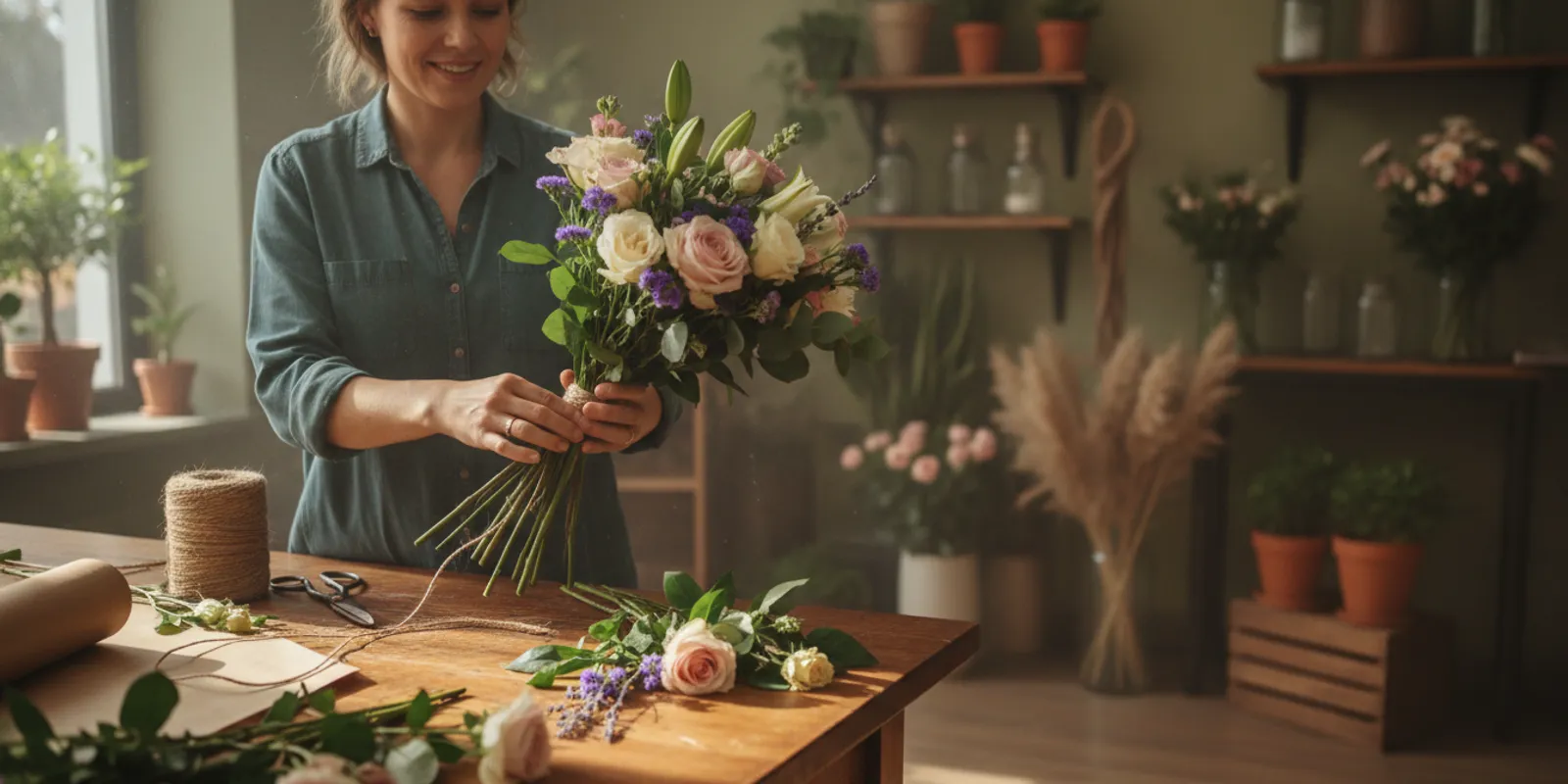
Choosing gift flowers for someone far away begins with a simple question: what do you hope the recipient feels when the delivery arrives? A bright bouquet can celebrate a birthday, a restrained arrangement can offer quiet support, and a plant can suit someone who enjoys caring for greenery. Distance makes the details more important, not less. A complete address, a suitable delivery setting, and a personal card help turn an online order into a gift that feels considered.
Williams Flower & Gift is a third-generation family florist with more than 40 years of floral experience, serving the greater Salt Lake City, Portland, and Seattle-Tacoma areas. The company offers flowers, plants, and gifts across its markets. The company’s heritage is not the same as its tenure in any one local market. If you are sending a gift to a recipient in the service area, use the steps below to select a fitting design and make delivery easier.
What makes a long-distance flower gift feel thoughtful?
A meaningful delivery is not necessarily the largest or most elaborate one. It is the one that reflects the person, the relationship, and the occasion. A recipient who loves vivid colors may be delighted by a lively mixed bouquet. Someone with a quiet, minimal home might prefer a compact arrangement in a restrained palette. A person who enjoys tending plants may appreciate a living gift, while someone with a busy schedule may find a ready-to-display arrangement easier.
Think about the whole experience from the recipient’s point of view. Will someone be there to receive the flowers? Is there a safe place for a delivery? Does the recipient have room for a vase or plant? Can they carry an arrangement from an office reception desk to their car? These practical questions are a form of consideration. They help you send a gift that fits the person’s day, not just the calendar.
Before browsing, write down three short notes: the feeling you want to convey, the recipient’s style, and the delivery setting. Feeling might mean celebration, affection, gratitude, encouragement, or remembrance. Style could be bright, soft, classic, modern, natural, or simple. Setting might be a home, workplace, hospital, care facility, or another location.
Those notes give you a clear starting point. If you cannot decide on a specific flower, communicate the palette and feeling you have in mind instead. A preference such as “warm, cheerful colors” or “soft and understated” is more useful than a long list of varieties that may not be available on a particular date. You are giving a designer a direction, not trying to specify every stem.
It can also help to think about the recipient’s routine. Someone who travels often might not be able to tend a plant immediately. A person living in a small apartment may have limited surfaces for a large display. A family with young children might prefer a location out of reach for fragile stems. These are not reasons to avoid flowers. They are prompts to choose a size, shape, and gift format that fits the person’s actual day.
When you are unsure, focus on one reliable personal detail. A favorite color, a remembered garden, a shared celebration, or a preference for simple décor can make the choice feel individual. Avoid turning incomplete information into a confident assumption. If you know only that the person likes flowers, a flexible mixed design and a sincere message are a sound starting point.
How should you match flowers to the occasion?
The occasion can guide the mood, but the recipient’s preferences should still lead. Consider your relationship and the moment you are marking. The same bright arrangement might suit a graduation, birthday, promotion, or note of congratulations; the card message makes clear which one you mean. The right design is the one that feels appropriate to the recipient and the setting, rather than one chosen because of a rigid rule about what a certain flower must mean.
Birthdays and milestones
For a birthday, choose flowers that feel celebratory and personal. A mixed bouquet can bring several colors and textures together, while a design built around a favorite color can feel more tailored. For a graduation, promotion, new home, or other achievement, lively seasonal flowers can mark the occasion without requiring you to know a particular flower’s symbolism.
Make the card specific. Instead of only writing “Happy birthday,” you might say, “I hope the flowers brighten your kitchen while we plan our next visit.” For a graduation, name the accomplishment and recognize the work behind it. The delivery then feels connected to the person rather than like a generic gesture. If you are sending to a new home, congratulations on the move can sit beside the birthday message, but keep the note short enough to read at a glance.
Anniversaries and romantic occasions
Roses are a familiar choice for romance, but a mixed arrangement can be just as personal if it reflects your partner’s taste. Think about the colors and flowers they enjoy, or choose a design that recalls a shared place or memory. A short card can say why this date matters to you. If you are apart, it is fine to acknowledge that plainly: “I wish I could be there tonight. I’m looking forward to celebrating together soon.”
Consider the recipient’s plans before selecting a delivery location. An arrangement sent to a workplace may be seen by colleagues and may need to be carried home. A home delivery can be more private, but it is only useful if the person can receive it. If you are planning a call or dinner later, make the invitation warm and flexible rather than making the flowers feel like a request for an immediate response.
Thank-you and appreciation gifts
Flowers can express thanks to a family member, friend, host, colleague, or someone who helped you through a demanding stretch. Choose a style appropriate to the relationship and setting. A moderate, easy-to-display design may be a sensible choice for a workplace or a small home. Name the action you appreciate. “Thank you for making time to help with the move” carries more meaning than a general message of thanks.
If you are thanking a professional contact, keep the message and presentation appropriate to that relationship. A modest arrangement can communicate appreciation without putting the recipient in an awkward position. For a close friend or relative, a warmer tone or a shared reference may feel natural. The specific act of gratitude matters more than making the message long.
Support during a difficult time
When someone is ill, grieving, overwhelmed, or facing uncertainty, a gentle gesture can be welcome, but avoid making assumptions about what the recipient wants. A simple design and a quiet note are often easier to receive than an elaborate display or a message that asks for a response. For example: “I’m thinking of you. There is no need to reply; I’m here if you want company.”
For sympathy and recovery, consider the destination’s rules first. A home may allow more flexibility than a hospital or care setting. If you are unsure, confirm whether flowers are accepted and whether a delivery should be directed to a particular unit or reception desk. This guide focuses on choosing a long-distance gift; for location-specific hospital delivery details, review hospital flower delivery information.
New babies, housewarmings, and everyday encouragement
A new baby or move often comes with many practical demands. A floral gift can mark the occasion, but choose a format that is easy to receive and display. If a household is busy, a compact arrangement or a gift that does not require immediate setup may be more convenient than a large display. Confirm the delivery address and whether someone will be there, especially if the recipient has recently changed homes or is still at a facility.
For everyday encouragement, you do not need a major event to explain the gift. The message can be as simple as “I saw these and thought of you” or “I hope this adds a bright moment to your week.” A note without a demand for a reply lets the recipient enjoy the gesture at their own pace. If you know the person is dealing with a difficult schedule, a low-maintenance choice can be especially considerate.
Which gift format should you choose?
Fresh arrangements, plants, and add-on gifts create different experiences. A bouquet offers a finished display right away. A plant can stay with the recipient longer, but it also asks them to provide suitable light and care. A small gift add-on can complement flowers, especially for a celebration, but it should not distract from the personal message you want to send.
Compare formats by the recipient’s needs rather than by a claim that one is always best. Ask how much space is available, whether the recipient enjoys caring for a living plant, how public the delivery will be, and whether the gift has to travel from a reception desk to a home. The following comparison is a planning tool, not a promise about a particular product or delivery.
| Gift format | Works well when | Questions to consider | Recipient’s first step |
|---|---|---|---|
| Mixed fresh arrangement | You want an immediate, ready-to-display gesture | Is there a place to set it, and can someone receive it? | Place it where it can be enjoyed and follow the care instructions. |
| Roses | You want a familiar romantic or celebratory statement | Does the style suit the recipient and your relationship? | Read any care guidance and keep the display in a comfortable spot. |
| Seasonal bouquet | You want color and variety without specifying every stem | Can you provide a useful color or mood preference? | Enjoy the combination and refresh water as directed. |
| Plant | The person enjoys greenery and has room for it | Will the destination offer appropriate light and care? | Read the plant’s care instructions and choose a suitable location. |
| Flowers with a small add-on | You want to pair the arrangement with a modest extra gift | Will the extra item be welcome and easy to receive? | Enjoy the flowers and add-on together, or separately as useful. |
Williams Flower & Gift offers a broad selection of flowers, plants, and gifts. Product prices generally range from about $15 to $500+, and delivery fees vary by location and order size and are calculated at checkout. Set your budget before browsing, then check the full order total and delivery details before completing payment. You do not need to choose the highest-priced option to make the message personal.
When is a bouquet the clearest choice?
A bouquet is a natural option when you want the gift to be immediately visible and connected to a specific moment. It can bring color to a room, mark a birthday, or say thank you without asking the recipient to learn a new care routine. Before ordering, think about whether the arrangement arrives in a display-ready form and whether the recipient has somewhere safe to place it. If you are uncertain about a vase, ask whether a container arrangement is available rather than assuming the recipient has one.
Consider size in relation to the destination. A large design may be striking at a home with open surfaces, but harder to manage at a shared office or a small apartment. A compact arrangement can still feel generous when the card is personal. The objective is not to maximize size; it is to make the gift easy to welcome.
When might a plant suit the recipient better?
A plant can be a good match for someone who enjoys caring for greenery and has a suitable place for it. It may feel like a continuing reminder rather than a brief display. But a living gift is not automatically easier than cut flowers. It needs an appropriate location and care, and the recipient may not want an additional responsibility. Think about what you know of their habits before choosing it.
If you do not know their lighting conditions or available space, do not guess. A fresh arrangement may be more straightforward. If you do know that the person keeps plants and enjoys them, a plant can connect to a real interest. Include a warm card, and let the care instructions that accompany the gift guide the recipient.
Should you add another gift?
An add-on can help mark an occasion, but it should fit the person and the delivery setting. A small extra may be welcome for a birthday or celebration. At a workplace, an extra item might be inconvenient to carry. At a hospital or care facility, the organization may have restrictions on what can be delivered. Check the destination’s rules before including anything beyond flowers.
Keep the budget in view. If the total matters, compare the complete price including delivery rather than judging by the arrangement price alone. A thoughtful card often does more to make the gift personal than an extra product does. If the recipient values simplicity, do not add items simply to make the order seem more substantial.
How can you choose when you do not know the recipient’s exact preferences?
You do not need to know every favorite flower to make a confident choice. Use the information you do have, and avoid overinterpreting details. If you know the person likes yellow, use that as a color cue. If you know they prefer simple interiors, choose a less visually busy style. If you know only that they love flowers, a mixed design gives you room to make a thoughtful selection without forcing a guess about one specific variety.
When you are uncertain, think in pairs of choices: bright and vivid or soft and subtle; compact and neat or loose and abundant; a bouquet ready to display or a plant to care for over time; playful, affectionate, grateful, or reassuring message. A two-option comparison is easier than trying to imagine every possible design. Choose the answer that best fits the person, then share those preferences when ordering.
You can also use a florist’s broad selection or a designer’s choice option where available, while still giving direction about the occasion, color, and tone. If a flower variety is essential, ask about availability before placing the order instead of assuming it can be supplied on a given date. If you are ordering around a holiday or a specific event, flexibility about varieties may make it easier to find an arrangement that fits your intent.
A useful rule is to personalize one or two elements rather than trying to control every detail. A favorite color plus a sincere note may be enough. Too many exact requirements can make ordering harder without making the gift more meaningful. If you have no preference information at all, use the occasion and delivery context as your guide: something neat and manageable for an office, something cheerful for a celebration, or something restrained for a quiet message.
There is a difference between being specific and being restrictive. “Please keep the colors soft, and this is for a new home” gives meaningful direction while allowing flexibility. A long list of exact stems, proportions, and substitutions may be impossible to satisfy on the day. If the exact flower is important because of a personal memory, say so and ask what is possible before completing the order.
How do you make the delivery successful from another city?
Distance makes accurate information essential. Before checkout, assemble the recipient’s full name, street address, apartment or suite number, city, state, ZIP code, and a phone number appropriate for delivery questions. For a business or facility, add the organization’s name and any department, unit, floor, or room information that the destination requires.
- Confirm the address with a current source. Check the recipient’s latest message, a recent invitation, or another reliable record. Do not rely on a saved address if the person may have moved.
- Ask about the best delivery location. A home, office, hospital, or reception desk may have different access rules. If a surprise is important, use a discreet question or ask someone close to the recipient to confirm logistics.
- Check whether the destination accepts flowers. Hospitals, care settings, workplaces, and event venues may limit deliveries or have specific drop-off points. Confirm before ordering when the rules are unclear.
- Choose a realistic delivery date. Plan ahead for a birthday, anniversary, graduation, or event. If you need same-day delivery, orders placed before 1:00 PM may qualify where service coverage and availability allow.
- Write a complete card. Include the recipient’s name if helpful, the message, and your name so they know who sent the gift.
- Review every field before payment. Check spelling, address, date, product selection, fees, and card text. A final read-through can catch a missing apartment number or an autocorrect error.
Williams Flower & Gift serves the greater Salt Lake City, Portland, and Seattle-Tacoma areas. Delivery availability depends on the exact destination and order details, so confirm coverage for the full address rather than assuming every nearby town or ZIP code is included. If the recipient is in West Valley City, see the West Valley City flower delivery page for a local starting point. For another destination, the shop can help you check the appropriate delivery options.
Make a delivery information sheet before you order
When you are sending a gift from another city, gather the details in one place before opening the order form. Write the recipient’s name exactly as it should appear, including any preferred name if appropriate. Add the street address, unit number, city, state, and ZIP code. If the delivery is to a facility or workplace, include its full name and the verified unit, department, floor, or reception instructions. Keep a phone number available if it is appropriate for delivery questions.
Then record your own choices: the desired date, the product or style, a backup preference if the exact variety is unavailable, the card wording, and the total budget. This small preparation prevents the common problem of switching between text messages and checkout while trying to remember details. It also gives you time to check whether the recipient’s location is correct before making payment.
Do not add information just because a field seems useful. A guessed room number or outdated department can confuse a delivery. If you cannot verify a detail, leave it out or ask the facility how it prefers deliveries to be labeled. Accuracy is more valuable than filling every possible line.
Plan for surprises without risking a failed handoff
A surprise can still be thoughtful when you verify the logistics discreetly. You might ask a family member whether the recipient is at home on the intended day, or phrase a casual question about a new address. If the recipient has moved recently, a direct confirmation may be better than sending to a remembered location. The surprise is the gift itself, not a mystery that makes delivery uncertain.
Think about how the recipient will find out that the gift has arrived. At a home, someone may answer the door; at an office, a receptionist may accept the arrangement; at a facility, deliveries might go to a designated desk. The appropriate method depends on that location. Do not assume a driver can enter a gated building, leave an item in a secure lobby, or find a private unit without directions.
If the recipient may be away, consider whether another date or address would be more reliable. A gift sent to a workplace may solve the problem of an empty home, but only if the workplace accepts personal deliveries and the recipient can transport the arrangement. A neighbor or family member might be able to help, but ask before relying on that arrangement. Good planning protects the surprise while respecting the recipient’s routine.
What should you plan for when sending flowers to a hospital or workplace?
Institutional deliveries require a little more preparation than a home delivery. Hospitals and care facilities may have restrictions based on the recipient’s unit, room, or current needs. Some workplaces accept deliveries only at reception, and the recipient may need to carry the gift home. A venue may have a fixed schedule or a designated drop-off area.
Before placing an order, confirm that the recipient is currently at that location and can receive a delivery. Ask whether fresh flowers or plants are allowed in the specific area, get the exact facility name and delivery address, verify any department or unit information, and check delivery hours and reception instructions. Consider the recipient’s ability to transport and care for the gift afterward.
For a workplace, a smaller arrangement may be easier to display or take home than a very large one. For a hospital, the facility’s rules take priority over your preferred style. If the recipient is moving between locations, a home delivery after discharge may be simpler than sending flowers to a unit. These are practical possibilities to confirm, not assumptions about any one recipient or facility.
Be especially careful with personal information. A card sent to an office or front desk may be seen by others. If you would not want the message read publicly, choose wording that is warm but discreet or consider a different destination. A florist needs enough verified detail to route a delivery, but you should avoid placing sensitive personal information in a message that may travel through a shared workplace.
If flowers are not accepted, the gesture can still happen at another time or place. You might send the arrangement to the recipient’s home after confirming the address, or choose a different way to connect. Do not pressure someone to change a facility’s policy for the sake of a surprise. The purpose is to support the recipient, not to create an extra errand for them.
For a corporate recipient, consider whether the gift could create discomfort or conflict with workplace policy. A modest design and a professional note may be appropriate in some cases; in others, a home delivery is a better choice. If you are unsure, choose a straightforward message and verify the recipient is allowed to accept personal deliveries. The same principle applies to schools, event venues, and shared residential buildings: check the local handoff rules first.
When should you order a long-distance flower gift?
For a known occasion, place the order early enough to check the address, ask questions, and select an alternative if a preferred design is not available. Several days ahead is a useful planning approach for a birthday, anniversary, graduation, or gathering. It does not guarantee a specific flower or delivery time, but it gives you more room to resolve details calmly.
For a spontaneous gesture, same-day delivery may be an option when the recipient is within the delivery area and the chosen product is available. Orders placed before 1:00 PM qualify where coverage and availability allow. Confirm the destination and timing before relying on same-day service, especially if the delivery needs to arrive before a meeting, dinner, or event. Do not treat a cutoff as a guarantee that every address or product can be served on the same day.
Seasonal holidays can bring higher demand and limited delivery capacity. If a particular date matters, avoid waiting until the last moment. You can choose a sensible alternative date if the recipient’s schedule allows; a gift that arrives at a convenient time may be more welcome than one sent on the exact day when the destination is difficult to reach.
Build in time for questions and a backup plan
Think backward from the moment you want to mark. If the gift is for a party, ask when the recipient will be at the venue and whether deliveries are accepted there. If the flowers are for a birthday at home, confirm the address and whether someone will be available. If you want an exact variety, check availability before making that detail central to the plan. Early preparation leaves time to adjust the design or delivery date if a constraint appears.
A backup plan does not diminish the gesture. It might be a different color palette, an alternative design, or delivery on a nearby date that works better for the recipient. The note can still acknowledge the occasion even if the arrangement arrives a little earlier or later. A useful fallback is one you have considered in advance, not a rushed choice after discovering a problem at checkout.
For same-day needs, prioritize the details that determine feasibility: the exact address, the current service area, the cutoff, and the product’s availability. Orders placed before 1:00 PM may qualify where coverage and availability allow, but the cutoff is not a promise of a specific delivery hour. If timing is critical, ask what can be confirmed rather than assuming the flowers will arrive before a particular meeting or meal.
Long-distance gifts often involve time zones, travel, or work schedules. If you are ordering from elsewhere, check the recipient’s local date and routine rather than relying on your own clock. A delivery date that looks correct from your location can be a different calendar day for the recipient. When you are unsure, review the date as it appears in the order before paying.
How do you write a card that feels personal?
A good card can be brief. Begin with the recipient’s name, say what prompted the gift, and include one specific thought or detail. If you are apart, mention the distance without making the recipient responsible for comforting you. Keep the focus on what you want them to feel.
Use this three-part structure: open warmly, name the reason, and close with a real connection. “Thinking of you today” can be followed by “I’m proud of you for finishing the program,” then “I can’t wait to catch up on our next call.” This simple shape works because it is clear and personal without requiring an elaborate message.
Examples can help you find a tone, but the final note should sound like you. For a birthday: “I wish I could celebrate in person. I hope these bring a little color to your day. Let’s make a plan for dinner soon.” For congratulations: “You worked hard for this, and I’m so proud of you. I hope you take a moment to enjoy what you’ve achieved.” For thanks: “Thank you for making time to help me. I appreciate you, and I hope this brightens your week.” For support: “I’m thinking of you. No need to reply; I’m here if you want to talk or sit together.”
To make a message feel less generic, choose one detail the recipient will recognize. It might refer to a shared plan, a recent accomplishment, a quality you appreciate, or the reason you thought of them. Avoid trying to make the card do too much. A few sincere lines are easier to read and often feel more natural than a long speech.
Do not turn the note into a request for a reaction. “Send me a picture as soon as they arrive” can add a task to someone’s day. You can say you hope the flowers brighten their morning, then follow up later if you want to check in. For a difficult moment, “No need to reply” communicates that the gift is offered freely.
Avoid putting sensitive personal details on a card that may be read by someone else at a workplace or reception desk. If you are ordering a romantic gift to a shared office, keep the message warm but appropriate for the setting. Proofread the note and include your name; recipients should not have to guess who sent it. Check names, dates, and punctuation, especially if using voice dictation or autocorrect.
Card prompts when you are stuck
If writing feels difficult, complete one of these sentence starters in your own words: “I’m sending these because…”; “One thing I admire about you is…”; “I hope today includes…”; “Thank you for…”; “I’m looking forward to…”. A concrete detail after the prompt is enough. You do not need to explain the entire relationship or summarize a major life event.
For a cheerful occasion, use a direct wish and one personal reference. For a supportive note, keep the language gentle and leave room for the recipient to choose whether to respond. For professional thanks, name the specific help and keep the tone cordial. For an anniversary, mention what you value about the time you share. These small adjustments make the same card structure work for different relationships.
Read the card aloud before submitting it. Does it sound like something you would actually say? Is the intended recipient clear? Does the message fit the delivery setting? If a joke could be misread without your voice, simplify it. If the note reveals private information, remove that detail. A final check is a simple way to make the words feel deliberate.
How can you make a gift feel connected across distance?
A flower delivery can be one part of a shared moment. Coordinate it with a call, video chat, or visit if that suits the recipient. You might ask them to open the delivery while you are on the phone, or simply send a message later to see whether it arrived safely. Do not require a reaction or photograph; the gesture should not create a task for the recipient.
You can also connect the design to a memory. If you once visited a garden together, choose a color palette that recalls it. If a particular bloom reminds you of a family celebration, mention that detail in the card. If the recipient is settling into a new home, choose a format that fits the space and their routine. The point is not to construct an elaborate story, but to show that you remember what matters to them.
For families separated by distance, a recurring gift may be useful when there is a clear reason to send flowers more than once. Williams Flower & Gift offers floral subscriptions, with the Classic three-month option starting at $59.99 per month. Check the current subscription terms and delivery destination before choosing a recurring plan. For a one-time occasion, a single arrangement may be more suitable and easier to coordinate.
Think about whether a recurring delivery fits the recipient’s preferences before selecting it. A subscription may be delightful for someone who enjoys fresh flowers and has room to display them. It may be less suitable for someone who travels often, has changing schedules, or prefers occasional gifts. Confirm the duration, terms, and delivery destination before committing. The idea should feel like a continuing pleasure, not an obligation to manage another delivery.
What should the recipient do when flowers arrive?
Help the recipient enjoy the gift by choosing an arrangement that fits their time and space. Once it arrives, they should follow the care instructions supplied with it. General cut-flower care usually starts with a clean container and fresh water, keeping leaves out of the water where possible, and placing the arrangement away from excessive heat, cold drafts, or intense direct sunlight. The specific guidance included with the flowers should take priority because care needs can vary by design and stem.
For a plant, the recipient should follow its care information and choose a spot with suitable light. Avoid promising that a plant will thrive in every home or that a cut arrangement will last for a fixed number of days. Conditions, varieties, and care all matter. A practical card can simply say, “Please follow the care note that comes with the flowers, and enjoy them.”
If the recipient does not have time to arrange flowers immediately, they can set the gift somewhere safe and follow the enclosed instructions when they are able. A sender should not imply that the recipient has to send a photo or report back. The purpose is to offer a pleasant moment, not a maintenance assignment. If choosing between a plant and a bouquet, consider the recipient’s schedule and habits.
If there is a quality concern, keep the order information and contact the florist promptly. The 24-hour replacement or refund guarantee applies in its Utah-market context and is subject to the applicable policy. Do not assume that every location or situation follows the same terms; confirm the policy relevant to the order.
How can you keep the budget clear?
Start with the total you are comfortable spending, not just the displayed product price. The overall amount may include a delivery fee, and fees vary by location and order size. Consider whether you want a flower-only gift or an add-on, then compare options at a similar total so that you are making a fair comparison.
For example, if your budget is limited, a smaller seasonal design paired with a heartfelt card may be more fitting than stretching for a larger arrangement. If the gift marks a major milestone, you might prioritize the size or style that best suits the recipient and skip extras. If delivery to a facility is complicated, resolve that question before choosing a premium design. A budget is useful because it helps you choose thoughtfully without turning the purchase into a stressful calculation.
Williams Flower & Gift has no minimum order requirement. Product prices generally range from about $15 to $500+, but the final choice depends on design and gift type; delivery fees are calculated at checkout and vary by location and order size. Check the current order total before confirming. A broad price range does not mean you need to spend at the upper end. Choose an amount that feels comfortable and focus on fit, not price alone.
A simple way to compare two choices
Suppose you are comparing a smaller arrangement with a larger one. First ask which one better fits the recipient’s space and the message. Then compare the total at checkout, including delivery. If the larger design would be difficult to carry home from an office, the smaller one may be the more thoughtful choice even if both fit your budget. If the recipient is hosting a gathering and has room for a display, the larger option might make more sense. Context makes the comparison useful.
Use the same approach when comparing a bouquet and a plant. A plant’s purchase price is only one part of the decision; care expectations and suitable light matter too. For a recipient who enjoys plants, those considerations may be positive. For a person who is busy or moving, the ready-to-enjoy bouquet may be easier. The most appropriate value is the one that delivers the experience you intend without creating inconvenience.
Before paying, check the total after entering the destination. Delivery costs vary by location and order size and are calculated at checkout. If the final amount is higher than expected, revise the product or remove an add-on rather than feeling compelled to proceed. There is no minimum order requirement, so a modest gesture can still be a valid choice.
What if you are unsure whether the address is covered?
Delivery footprints are not defined only by how close two places look on a map. Coverage can depend on the exact address, route, date, and order details. Williams Flower & Gift serves the greater Salt Lake City, Portland, and Seattle-Tacoma areas, but an individual destination should be confirmed rather than inferred from a metro label.
Use the site’s location information as a starting point. For example, the West Valley City delivery information can help a buyer checking that area. You can also call 800-458-7430 to ask whether a specific address and date can be served. Have the ZIP code, requested date, recipient setting, and preferred gift type ready so the conversation can focus on the details that matter.
When a location is outside the available footprint, ask about alternatives before paying. Depending on the recipient and timing, another date, a different delivery destination, or a non-floral way to share your message may be more practical. Do not assume that a national ordering website can deliver a particular design to every town just because it accepts an address online.
If you are checking a location, begin with the full ZIP code, not only the city name. Two addresses with the same city label can have different route or coverage circumstances. Then confirm the requested date, whether the recipient is at a home or institution, and whether the product you want is available. Asking all of these questions together is more efficient than checking only the city and discovering a limitation after you have chosen a design.
Customers sending to the Salt Lake City, Portland, or Seattle-Tacoma areas should still verify the exact delivery address. Companywide service information does not guarantee that every neighborhood or nearby town is covered on every date. Lakewood, Washington has delivery-only coverage at ZIP code 98499, without storefront or pickup service; if that detail is relevant, confirm the specific order and delivery arrangement before proceeding. Avoid treating a delivery-only area as a pickup location.
How do you place an order with confidence?
Before checkout, pause for a final review. Confirm that the product suits the recipient and occasion, that the date is realistic, and that the destination accepts the delivery. Check the recipient’s name, address, and any building information. Review the message as it will appear, including punctuation and your signature.
Then compare the order details against your plan. Does the arrangement match the feeling you want to convey? Can the recipient receive, display, carry, and care for it? Is the exact delivery address eligible for the requested date? Have you allowed time for questions and availability? Have you reviewed product price and delivery fees at checkout? Is the note sincere, clear, and signed?
If you want to browse by style, explore the bouquet selection. For birthdays, the birthday flowers collection is another relevant starting point. Product availability and delivery eligibility should still be confirmed for the order you plan to place.
Walk through the checkout details once
Read the order from top to bottom rather than checking only the total. Confirm that you selected the intended product and date. Check that the recipient’s name is spelled correctly and that the address includes any apartment, suite, or building identifier. Verify the city, state, and ZIP code together. If an organization is involved, confirm its current name and delivery instructions.
Next, read the card exactly as entered. Check the salutation, the message, and your signature. If you are sending anonymously on purpose, make that decision intentionally; otherwise, include your name so the recipient can identify the sender. Review any delivery notes for clarity. “Leave at front desk” is useful only if the destination has a front desk and accepts unattended handoffs.
Finally, check the full order cost and terms. The delivery fee varies by location and order size and is calculated at checkout. Confirm the product, any extras, the delivery date, and the applicable destination information before submitting payment. If a detail is unclear, pause and ask rather than hoping it will resolve itself after the order is placed.
Keep the order information accessible
After ordering, retain the confirmation and order details in a place you can find. If you need to ask a question, having the order information at hand can make the conversation easier. If the recipient’s plans change, contact the florist promptly to ask what options are available. Do not assume that a change can always be made after the order is in progress.
For a long-distance sender, it can be helpful to set a reminder to check in after the planned delivery date. A brief “I hope your day went well” is enough. If the recipient says there was a problem, ask what happened and use the order details when contacting the shop. The follow-up should be helpful, not an expectation that the recipient owes you a reaction.
How do the choices change in common situations?
Example one: a birthday at a new apartment
You live several states away and know your sibling has just moved. You know they like cheerful colors, but you are not sure whether they have a vase. A mixed arrangement in a ready-to-display container may reduce the need for extra supplies. Before ordering, confirm the new address and apartment number. Choose a delivery date when someone is likely to be home or ask whether the building accepts deliveries. In the card, mention both the birthday and the move: “Happy birthday, and congratulations on your new place. I hope these make the first week feel a little more like home.”
The useful lesson is to solve the address and display questions before you spend time comparing specific blooms. Those practical details determine whether the gift can be received and enjoyed. If the sibling is still unpacking, consider a manageable size and avoid assuming the kitchen counter or entry table is available. A delivery that fits their new routine may be more welcome than one chosen solely for scale.
Example two: an anniversary when you cannot travel
You and your partner are in different cities this year. They prefer understated colors, and you want the gift to feel romantic without being overdone. Choose a style that fits their preference, whether that is roses or a mixed design, and write a message about the anniversary itself. If you plan a call or dinner later, mention it as an invitation rather than an obligation. Check that the delivery date and address are correct, especially if your partner will be away from home.
Here, the personal detail is more important than choosing a flower based on a fixed rule. The arrangement expresses affection; the note makes the meaning clear. If you are uncertain whether a delivery at home is feasible, discreetly check the schedule or choose a confirmed work address only if personal deliveries are accepted. A quiet, on-time gesture is better than an impressive one that cannot be received.
Example three: encouragement for someone in a care setting
A friend is recovering at a facility, and you want to send encouragement. First confirm that the facility accepts flowers in the recipient’s current area. Ask whether deliveries go to a main desk or a specific unit. If flowers are allowed, choose a manageable design and a short card that does not demand a response. If they are not accepted, consider arranging delivery to the person’s home later or choosing another appropriate gesture.
This approach protects the recipient from having to manage a gift they cannot keep and helps you avoid a delivery that cannot be completed. Do not infer rules from another hospital or another person’s experience; the current facility and unit determine what is allowed. If the recipient has a changing schedule, ask whether a later delivery would be more useful.
Example four: a thank-you sent to an office
You want to thank someone for a work-related favor. Check whether the office accepts personal deliveries and whether the recipient will be there. A moderate design may be easier to carry home than a large one. Keep the card professional and name the specific help you appreciated. If the recipient’s workplace has strict delivery policies, ask whether a home delivery would be more appropriate.
In every case, one verified logistical detail can make the difference between a smooth surprise and a difficult handoff. For an office, that detail may be the reception procedure; for a new home, the unit number; for a facility, the current unit’s policy. Solve that first, then choose the design.
Example five: a parent who enjoys plants
You live far from a parent who likes tending plants and has a bright place at home. A plant may be more personally relevant than a cut bouquet. Before ordering, consider whether your parent will be home to receive it and whether the intended spot is suitable for the specific plant. If you do not know the care requirements, avoid making promises about how long it will thrive. Let the supplied care information guide the recipient.
Write a note that connects the gift to the person’s interest: “I thought you might enjoy having something green by the window. I hope it brings a little pleasure to your week.” This makes the choice feel intentional without claiming that every plant fits every environment. If you are uncertain about the recipient’s space or schedule, a bouquet may be simpler.
Example six: a friend whose address recently changed
A friend has relocated, and you want flowers to arrive on the first week in the new home. Do not use an address from an old contact entry without checking it. Confirm the street, apartment number, city, state, and ZIP code from a current source. Ask whether the building accepts deliveries and whether the friend will be there on the selected date. If the move is still underway, a later date may be more convenient.
The gift can acknowledge the transition without assuming that the friend has already settled in. A compact design and a short congratulations can make the moment feel warm without adding a large object to an already busy space. If the address cannot be confirmed, wait until you can verify it rather than risking delivery to the wrong location.
Example seven: a family celebration at a venue
You want to send flowers for a family celebration taking place at a restaurant, event hall, or other venue. The venue may have delivery hours, a designated entrance, or a staff member who must accept items. Confirm the recipient’s schedule and ask the venue about its procedures before selecting the date. If the flowers are meant for a host, a home delivery before or after the event may be easier than coordinating a handoff during a busy gathering.
Choose a design with the intended use in mind. If it is a gift for someone to take home, consider how manageable it will be after the event. If it is for a table or display, clarify whether the venue can place it where intended. Never assume a delivery person can find the right room or event host without clear, verified instructions.
What mistakes can make a long-distance order harder?
The most common avoidable problems are not about choosing the wrong flower. They are about missing information or expectations that were never confirmed. A partial address, an unverified delivery location, a last-minute exact-variety request, or a card with no sender name can make a thoughtful gesture confusing. A short review before payment can prevent many of these issues.
Using an old address
Saved contact records are convenient, but people move, change offices, and spend time at different facilities. Confirm the current delivery address, especially for someone who recently relocated or changed jobs. Include unit details only when you have verified them. If you are not sure, pause and ask rather than assuming that an old address remains valid.
Assuming the city name proves coverage
A broad metro label does not guarantee that every nearby address can be served on every date. Confirm the exact location and order details. If the product or date is not feasible, ask about alternatives. Do not interpret a location page as a promise about every street or every delivery window.
Expecting a specific flower without checking
Availability can vary, and seasonal conditions can affect what is offered. If a particular bloom is essential, ask before placing the order. If your priority is the feeling or color rather than a specific variety, say so and allow flexibility. A design brief based on mood can make it easier to preserve the spirit of the gift if exact stems are unavailable.
Sending a plant to someone who cannot care for it
A plant can be a thoughtful gift, but it has ongoing needs. Consider whether the person enjoys plants, has space, and can provide appropriate care. If you do not know, choose a format that requires less commitment or ask someone close to them discreetly. A gift should be suited to the recipient, not simply to the sender’s idea of a lasting present.
Writing a message that creates pressure
A card should share your thought, not ask the recipient to perform a task. Avoid requiring a photo, a call, or an immediate thank-you. A simple expression of care lets the person respond in their own time. In a difficult moment, explicitly removing the expectation to reply can make the note gentler.
Ignoring the full cost
Product price and final total are not necessarily the same. Delivery fees vary by location and order size and are calculated at checkout. Review the complete amount before payment, including any extras. If it does not fit your plan, change the selection rather than assuming there will be no additional charge.
Ordering at the last moment for a precise time
Same-day orders placed before 1:00 PM may qualify where service coverage and availability allow, but that does not promise a precise arrival time. If flowers must be at a venue before a ceremony or meeting, plan ahead and confirm what can be accommodated. When exact timing cannot be confirmed, consider a different delivery date or location.
Frequently asked questions
Can I send flowers if I live in another state?
Yes, if the recipient’s address is within a delivery area for the selected florist and the requested date and product are available. Williams Flower & Gift serves the greater Salt Lake City, Portland, and Seattle-Tacoma areas. Confirm the precise address and date rather than assuming coverage from the city name alone.
Can I request same-day delivery?
Orders placed before 1:00 PM may qualify for same-day delivery where service coverage and availability allow. Check the destination and selected product before relying on a same-day date, and do not assume a particular delivery hour.
What if I do not know what flowers the person likes?
Start with a color, mood, or design style you know they enjoy. If you have little information, a mixed arrangement gives you a flexible option. You can also share your preferences and occasion with the florist and ask what is available.
Are flowers suitable for an office or hospital?
They can be, but the destination may have rules about deliveries, flowers, plants, and drop-off locations. Confirm acceptance and access with the organization before ordering. A home delivery may be more practical if the recipient cannot receive flowers there.
What information should I have ready?
Have the recipient’s full name, complete address, phone number when appropriate, preferred delivery date, and any verified building, room, or department details. Decide on the message and a budget that includes delivery fees, then review the full order before payment.
Should I choose a plant or cut flowers?
Choose based on the recipient’s interests, space, schedule, and ability to care for the gift. A plant can suit someone who enjoys greenery and has a suitable location. A cut arrangement may be more straightforward when you do not know the recipient’s care preferences.
What if the exact flower is unavailable?
If one variety is essential, ask about its availability before ordering. If the mood or color is more important, share that preference and allow an appropriate alternative. A flexible brief can preserve the feeling you want even when the exact stem cannot be confirmed.
How do I check the delivery total?
Review the order at checkout after entering the destination. Product prices generally range from about $15 to $500+, while delivery fees vary by location and order size. Williams Flower & Gift has no minimum order requirement, so you can choose a suitable option within your budget.
Make the distance feel a little smaller
The most thoughtful long-distance flower gift combines a fitting design with a delivery plan the recipient can actually manage. Choose from what you know about their style, confirm the destination and timing, and write a card that sounds like you. When those details are in place, even a simple arrangement can carry a clear message: you remembered, you care, and you wanted to be part of their day.
When you are ready to send a gift, take a moment to confirm the exact address and delivery options so your thoughtful gesture has the best chance to arrive smoothly.

