
Azalea Flower Guide: Varieties, Care & Bloom Times
Find the best azalea flower varieties for your garden, plus practical tips on care, bloom times, and choosing the right azalea for your space.
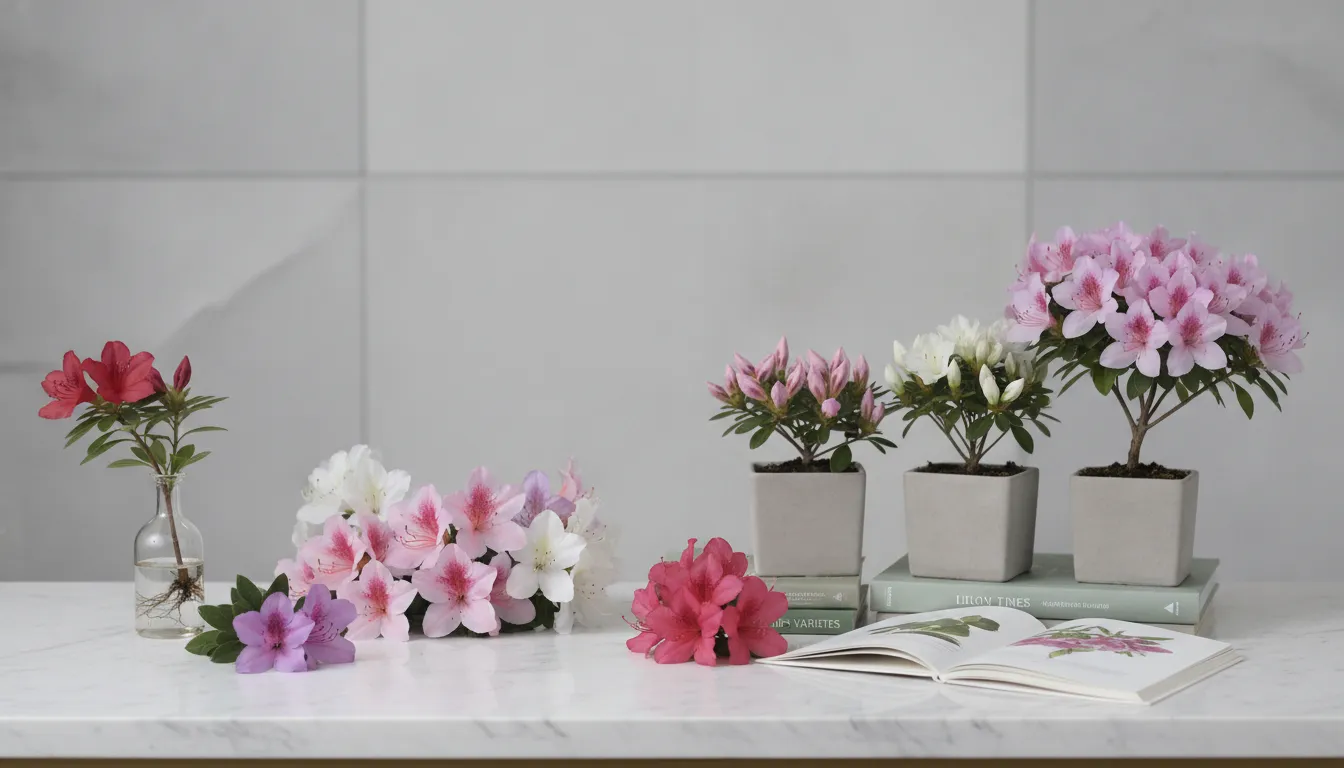
Azaleas are known for their eye-catching blooms, but there’s more to choosing one than picking a favorite color. Each azalea flower belongs to a shrub in the Rhododendron genus, and varieties differ in bloom time, mature size, foliage, and growing needs. Some keep their leaves through winter; others shed them in fall. Most do best in partial shade and acidic, well-drained soil, so the planting spot matters. Whether you’re adding color to a garden, looking for a compact plant for a patio, or sending a gift to a loved one, understanding these differences can help you make a confident choice. Read on for practical tips on azaleas, from selection and care to common problems.
Key Takeaways
- Pick an azalea for your conditions: Check its mature size, hardiness, foliage type, and bloom season before choosing a garden or container variety.
- Support healthy growth with simple care: Provide partial shade, acidic soil with good drainage, steady moisture, and prune soon after flowering to protect future blooms.
- Choose gifts with care and safety in mind: Azaleas are toxic if eaten, so consider the recipient’s household and plant-care preferences. Check same-day delivery options in Salt Lake City, Portland, and Seattle-Tacoma.
What Is an Azalea?
An azalea is a flowering shrub prized for its bright, often abundant blooms. Depending on the variety, its flowers may be pink, red, purple, white, or a combination of shades. Some azaleas are evergreen, while others lose their leaves in fall, so their appearance can change through the seasons.
Many azaleas bloom in spring, often around April or May, though local weather and the plant variety affect the timing. Their flowers can open in clusters along the branches, creating a striking display in a garden bed or border. Compact varieties can also grow in containers, and potted azaleas make a cheerful seasonal gift for someone who enjoys plants.
To thrive, azaleas need growing conditions that suit their roots. Most prefer partial shade, acidic soil, and steady moisture with good drainage. Before choosing a plant, check its expected mature size and whether it suits your climate and available space. A little planning helps you enjoy its flowers without crowding nearby plants or placing it in a spot that stays too dry or waterlogged.
The name can cause some confusion: azaleas are part of the rhododendron genus, though gardeners often use “azalea” for a particular group of shrubs. Their foliage, flower forms, and growth habits vary by variety. Knowing these basic traits makes it easier to identify an azalea and choose one that fits your garden or home.
How Azaleas Fit Into the Rhododendron Genus
Azaleas belong to the genus Rhododendron and the heath family, Ericaceae. That means an azalea is botanically a type of rhododendron, even though plant labels and everyday conversation often distinguish azaleas from shrubs commonly called rhododendrons. The azalea overview describes two traditional groups: evergreen Tsutsusi and deciduous Pentanthera.
This classification can make plant names seem inconsistent. “Rhododendron” refers to the full genus, but gardeners also use it for plants with familiar traits such as larger leaves and broad flower clusters. Azaleas are often smaller, but size alone is not a reliable way to identify every plant. If you’re shopping for an azalea, check the variety name and its care label, which can tell you more about its mature size, foliage, and preferred growing conditions.
How to Identify Azalea Blooms, Leaves, and Growth Habits
Azalea flowers are often funnel-shaped and grow at the ends of branches, either singly or in clusters. Depending on the variety, blooms may be single, double, or ruffled. During peak flowering, a shrub can carry so many blooms that its leaves are partly hidden.
Foliage differs by type. Evergreen azaleas keep at least some leaves through winter in suitable climates, while deciduous azaleas shed theirs in fall. Most grow as shrubs, though mature size ranges from compact varieties for containers to larger plants suited to garden borders. Azaleas commonly grow well in partial shade and prefer acidic, well-drained soil. The azalea growing overview outlines these general preferences; check the plant label for the needs of a specific variety.
How Azaleas Differ From Rhododendrons and Other Flowering Shrubs
Azaleas and rhododendrons can be tricky to tell apart because azaleas are part of the Rhododendron genus. In general, azaleas tend to be smaller and have flowers with five or six stamens, the parts that produce pollen. Shrubs commonly called rhododendrons often have larger flower clusters and ten or more stamens. These are helpful clues, but there are exceptions, so no single feature identifies every plant.
Foliage can offer another clue, but it isn’t a definitive test: azaleas may be evergreen or deciduous, and rhododendrons can also vary. Compared with many other flowering shrubs, azaleas are especially associated with abundant spring blooms and a preference for acidic soil. For more details on the differences gardeners often look for, explore Garden Design’s azalea guide.
How Azalea Colors and Flower Forms Attract Pollinators
Azaleas come in vivid shades of pink, red, purple, and white, as well as two-tone combinations. Flower shapes range from simple, open blooms to fuller, ruffled forms. That variety gives you plenty of ways to choose an azalea that suits your garden’s colors and the look you want.
The flowers can also provide nectar and pollen for visiting insects. Which pollinators arrive depends on the azalea variety, the season, and what insects live nearby. Planting azaleas alongside other flowering plants can help provide a succession of blooms for pollinators to visit. If you’re choosing by flower color, you can browse azalea varieties by shade for examples of the range available.
Which Azalea Varieties Suit Your Garden?
The best azalea for your garden depends on the look you want, your local climate, and the space you can offer. Compare whether a variety keeps its leaves through winter, when it blooms, and how large it grows at maturity before choosing a plant.
Choose Evergreen or Deciduous Azaleas
Evergreen azaleas retain much of their foliage through winter, adding structure and greenery when other shrubs have lost their leaves. Deciduous azaleas drop their leaves in fall, then produce fresh growth and flowers in spring. Many azaleas native to North America are deciduous, while many familiar landscape varieties are evergreen.
Consider how you want your garden to look outside the blooming season. An evergreen variety can add year-round presence beside a walkway or foundation. A deciduous type can bring seasonal color to a mixed border, especially when its fall foliage adds another point of interest. Both groups come in a range of flower colors and sizes, so leaf retention is just one factor to weigh. Garden Design’s azalea guide offers an overview of azalea types and growing habits.
Explore Popular Varieties, From Encore Azaleas to ‘Gibraltar’
For flowers beyond the main spring display, consider Encore Azaleas. These varieties are known for blooming in spring, summer, and fall. Options include Autumn Sweetheart®, Autumn Sangria®, and Autumn Amethyst®, each with its own color and growth habit. Check the plant label to compare mature size and growing needs. Encore Azaleas do best with four to six hours of direct sunlight or bright, filtered shade each day.
For a vivid spring accent, ‘Gibraltar’ is a deciduous azalea with coppery-orange flowers that typically appear in April and May. It is hardy in USDA Zones 5–8. Explore the Encore Azalea collection by bloom color to compare shades and find a variety that suits your garden.
Match a Variety to Your Climate, Space, or Container
Check a variety’s hardiness zone before buying, then compare it with your area’s winter conditions. Many azaleas grow in USDA Zones 6–9, while some deciduous varieties tolerate colder Zones 3–5. Your planting spot matters, too. A sheltered location can help protect a shrub from drying winds, while intense afternoon sun may be too strong for varieties that prefer filtered light.
For a small garden or patio, look for a compact variety and check its mature dimensions on the plant label. Azaleas can also grow in containers, provided the pot has drainage holes and the plant has suitable acidic soil. Since containers dry out faster than garden beds, check the soil regularly and water when needed. A local nursery can help you compare varieties suited to your climate, available space, and light conditions.
When Do Azaleas Bloom?
Azaleas are best known for their spring flowers, but the exact timing depends on the variety, local weather, and where the plant grows. A sheltered yard may see blooms before a cooler, more exposed one, even in the same area. If you’re choosing an azalea, check its expected bloom period and ask which varieties do well in your climate.
Know Typical Spring Bloom Times
In much of the Northern Hemisphere, azaleas bloom in April and May. In Salt Lake City, Portland, and Seattle-Tacoma, the season can shift with elevation, exposure, and spring temperatures. A warm spell may bring flowers out early, while a stretch of chilly weather can delay them. The azalea bloom overview offers a general guide to seasonal timing.
Azaleas don’t all flower at once. Early-, mid-, and late-season varieties can bloom weeks apart, so planting more than one type can extend the display. When shopping, check the plant label for its bloom period and ask a local nursery which varieties are a good fit for your area.
Find Reblooming Varieties and Later-Season Flowers
Most azaleas have their main display in spring, but some varieties bloom again in summer or fall. Reblooming types, including certain Encore Azaleas, may produce another round of flowers after the first flush. The timing and number of blooms depend on the cultivar and growing conditions, so think of a second display as a welcome extra rather than a sure thing.
If you’re hoping for flowers later in the year, check the variety’s label before planting. Garden Design’s azalea guide describes varieties that can bloom beyond spring. You can also pair azaleas with shrubs that flower at different times to keep color in the garden after azalea blooms fade.
See How Weather, Light, and Moisture Affect Blooming
A mild spring can bring flowers out early, while a late frost may damage buds or shorten the display. Most azaleas do well in partial shade, with enough light to support flowering and some protection from strong afternoon sun. Too much shade can mean fewer blooms, so consider how sunlight moves across your garden before choosing a planting spot.
Consistent moisture helps while buds are developing, but soggy soil can harm azalea roots. These shrubs prefer acidic, well-drained soil, with a pH of about 4.5 to 6.0. For practical guidance on light, soil, and watering, refer to Garden Design’s azalea care advice.
Find Out Why Your Azalea May Not Bloom
If your azalea has healthy leaves but few flowers, think about its growing conditions over the past year. Too much shade, dry soil, winter damage, or heavy use of nitrogen-rich fertilizer can all limit blooming. The plant may also have been pruned too late: azaleas set next season’s flower buds before spring, so late-season pruning can remove them.
Start with a few simple checks. Make sure the plant gets suitable light, receives steady moisture, and grows in acidic, well-drained soil. If it needs pruning, do it soon after flowering, before next year’s buds form. Then give the plant time to respond through its next growing season.
How Do You Grow and Care for Azaleas?
Azaleas thrive when their growing conditions suit their needs. Choose a spot with gentle light, prepare the soil before planting, and keep an eye on moisture, especially during warm or dry weather. A few thoughtful choices can help your azalea grow well in a garden bed or container.
Choose Partial Shade and a Sheltered Site
Most azaleas grow best in partial shade, such as a spot with morning sun and afternoon shade. Dappled light beneath tall trees can also work well. Strong afternoon sun may scorch leaves or fade flowers, while dense shade can mean fewer blooms. Check how the light changes through the day before choosing a planting spot.
Protection from harsh wind helps prevent foliage from drying and branches from breaking. Avoid planting directly beneath trees with dense, shallow roots, which can compete with azaleas for water. For more guidance on finding a suitable spot, read Garden Design’s azalea care guide.
Provide Acidic, Well-Drained Soil
Azaleas prefer acidic soil that drains well. A pH between 4.5 and 6.0 suits many varieties, but conditions can differ from one garden to another. A soil test can show whether your planting area has the right pH and help you decide if it needs an amendment.
Good drainage matters just as much as acidity. If water tends to pool after rain, choose another location, consider a raised bed, or plant your azalea in a container with drainage holes. Avoid planting too deeply, since covered stems and persistently wet soil can stress the plant. The Clemson azalea care guide offers additional advice on soil and plant health.
Water Consistently and Mulch Shallow Roots
Azaleas have shallow roots, so the soil can dry out quickly, especially in hot weather. Check the soil regularly and water when it begins to feel dry. Aim for even moisture, not soggy ground. Water near the base of the plant so it reaches the root area, and check container-grown azaleas more often because pots dry out faster than garden beds.
A thin layer of mulch can help the soil retain moisture and stay cool. Keep mulch away from the stems, and avoid digging deeply around the plant, where you could damage its shallow roots. For more advice on watering and mulching, see Garden Design’s azalea guide.
Fertilize Carefully and Avoid Overfeeding
Azaleas don’t need heavy or frequent feeding. Too much fertilizer can harm roots and encourage leafy growth instead of flowers. If leaves look pale or growth seems slow, don’t assume the plant needs fertilizer right away. Poor drainage, unsuitable soil pH, or pests may also cause changes in appearance.
A soil test can help you identify nutrient needs before you feed the plant. If fertilizer is appropriate, choose a product labeled for acid-loving plants and follow the directions on the package. The Clemson azalea care guide recommends considering the plant’s appearance, soil test results, and your growing goals when deciding whether to fertilize.
Grow Azaleas in Containers and Protect Them in Winter
Compact azalea varieties can grow in containers, making them a practical choice for patios, balconies, and small gardens. Choose a pot with drainage holes and use a well-draining mix suited to acid-loving plants. Check the soil regularly, since container plants can dry out faster than those growing in the ground.
In cold regions, potted azaleas may need extra winter protection because their roots have less insulation. Move the container to a sheltered location, or wrap the pot to help protect the roots from freezing temperatures. Keep the soil lightly moist during this time, but avoid letting it become waterlogged. Find more ideas for container growing in Garden Design’s azalea care guide.
Pair Azaleas With Shade-Loving, Acid-Loving Plants
Azaleas pair well with plants that enjoy similar conditions, including partial shade, moist soil, and an acidic growing environment. Ferns and rhododendrons can complement their foliage, while other flowering shrubs can add color at different times of year. Choose plants with varied leaf shapes and bloom seasons to give the garden interest beyond azalea flowering time.
Before planting, check how large each plant will grow and leave enough room for mature roots and branches. Because azalea roots sit close to the soil surface, avoid crowding them with plants that need frequent digging or cultivation. Azaleas can also serve as foundation plants, informal hedges, or part of a mixed border. Garden Design’s planting ideas show several ways to use them in a landscape.
When and How Should You Prune Azaleas?
Azaleas generally need only light pruning to maintain their shape and encourage healthy growth. Timing matters: many varieties form next year’s flower buds soon after blooming, so pruning too late can reduce the next spring’s display.
Prune Soon After Blooming
Prune azaleas soon after their flowers fade. This gives new shoots time to grow and mature before the next blooming season. Trim branches that stick out from the shrub’s shape, shorten especially vigorous shoots, or thin crowded areas to let more light and air reach the center.
Use clean, sharp pruners, and make cuts just above a leaf or branch junction. Step back as you work to check the plant’s shape, and avoid cutting every branch to the same height. Heavy shearing can create a dense outer layer that shades the interior. For more advice on shaping azaleas after flowering, read Martha Stewart’s azalea pruning guidance.
Remove Dead, Damaged, or Diseased Growth
Remove dead, broken, or diseased branches whenever you spot them. Cut back to healthy wood, or remove the branch where it joins a larger stem. If you’re unsure whether a branch is dead, gently scrape a small area of bark. Green tissue underneath usually means it’s still alive.
Clean your pruners between cuts if you’re removing diseased growth, and disinfect them before using them on another plant. This helps limit the spread of disease. Keep cuts focused on unhealthy or damaged sections rather than removing large amounts of healthy growth, since leaves help the plant gather energy. Clemson’s azalea care guide offers additional tips for maintaining plant health.
Avoid Late-Season Pruning to Protect Next Year’s Buds
Avoid routine pruning in late summer, fall, or winter. Many azaleas have already formed the flower buds that will open the following spring, and trimming at this point may remove them. If you prune after flowering, you’ll have a better chance of preserving those buds.
A major size reduction may require renewal pruning before spring growth begins, but it can sacrifice that year’s flowers. If you need to make a substantial cut, consider whether you’re willing to miss a season of blooms. For regular shaping, wait until the flowers fade, then give the shrub time to grow through the rest of the season.
What Common Problems Affect Azaleas?
Yellow leaves, wilting, damaged foliage, or flowers that brown too soon can all signal that an azalea needs attention. The cause may be as simple as dry soil or too much direct sun, but pests and diseases can produce similar symptoms. Before changing your care routine, inspect the entire plant, including the undersides of leaves, new growth, and the soil around the roots.
Start by checking moisture and drainage. Azaleas have shallow roots, so they can suffer if the soil dries out or stays waterlogged. Next, look for patterns: are several leaves affected, or just a few? Do you see speckling, sticky residue, fine webbing, or unusual growth? These details can help you decide what to check next.
Azaleas grow best in acidic, well-drained soil, and healthy growing conditions help them withstand pests and disease. If a problem keeps spreading or you can’t identify it, take a clear photo and ask a local garden center or extension service for help. Garden Design’s azalea guide offers an overview of common care issues, pests, and diseases.
Address Yellow Leaves and Soil pH Problems
Yellow leaves can mean an azalea is struggling to absorb nutrients. One possible cause is soil that is not acidic enough. Azaleas prefer a soil pH of about 4.5 to 6.0. If leaves turn pale while their veins stay green, check the soil pH before adding fertilizer. A soil test can help you choose the right next step instead of guessing.
Also check whether the soil is staying soggy, since poor drainage can stress roots and contribute to yellowing. If the pH needs adjusting, make changes gradually and follow the directions for any soil product you use. Check azalea soil requirements before amending the soil, as adding too much of a product can cause further stress.
Prevent Wilting, Poor Drainage, and Root Rot
Azaleas can wilt when their shallow roots don’t get enough water, especially in hot or dry weather. Feel the soil a few inches below the surface. If it’s dry, water slowly around the root zone. Check container-grown azaleas more often, since potting mix can dry out quickly.
Too much water can be a problem, too. Soil that stays soggy may deprive roots of air and encourage root rot. Choose a well-drained planting site, and use a container with drainage holes. Aim to keep the soil evenly moist, not waterlogged, as Garden Design advises. If an azalea keeps wilting despite suitable moisture, inspect the base of the plant and consider asking a local gardening professional to assess its roots.
Identify Lace Bugs, Aphids, and Spider Mites
Check the undersides of leaves and tender new growth if you notice pale speckles, sticky residue, or fine webbing. Lace bugs can leave foliage stippled or mottled. Aphids often cluster on new growth and may leave behind honeydew, a sticky substance. Spider mites are difficult to see, but fine webbing and tiny pale marks on leaves can be clues.
For a small aphid problem, a gentle spray of water may dislodge the insects. If pests return or the damage spreads, identify the insect before choosing a treatment, and follow the product label closely. Avoid spraying flowers when pollinators are visiting. Azaleas can be affected by several pests, including lace bugs, aphids, and spider mites, so checking foliage regularly can help you catch an issue early.
Recognize Leaf Spot, Petal Blight, and Leaf Gall
Leaf spot often appears as dark or discolored marks on foliage. Remove fallen leaves and affected plant material, and water at the soil level when possible. Keeping foliage dry and allowing good airflow around the shrub can help reduce conditions that favor some leaf diseases. If the spots keep spreading, get help identifying the cause before treating the plant.
Petal blight can cause flowers to develop brown spots or brown prematurely. Leaf gall may cause leaves to become thick, curled, or fleshy-looking. Remove affected flowers and leaves, and discard them rather than leaving them beneath the shrub. Other reported azalea diseases include powdery mildew, rust, and dieback, as outlined in Garden Design’s guide to azalea problems.
Prevent Problems With Proper Planting and Care
Give an azalea a site with partial shade, well-drained soil, and room to grow. Avoid low spots where water collects, and don’t plant the shrub too deeply. Harsh afternoon sun and drying winds can also stress foliage, so choose a sheltered position when possible.
Water consistently, especially during dry spells, and spread mulch over the root zone to help retain moisture. Keep mulch a few inches away from the stems. Prune out dead or diseased growth, and clean your tools after cutting affected branches. These habits make it easier to spot changes early and support healthy growth. With suitable soil, steady moisture, and a well-chosen planting site, azaleas are better equipped to withstand common pests and diseases.
Are Azaleas Toxic to Pets or People?
Yes. Azaleas contain grayanotoxins, natural chemicals that can cause illness if someone eats any part of the plant. The leaves and flowers are toxic, and the nectar can also contain toxins. Honey made from azalea or related rhododendron nectar may carry them, too, though this is an uncommon source of exposure.
Dogs and cats may chew leaves or flowers out of curiosity, while horses and other animals can encounter azaleas outdoors. Children may also be tempted to taste a colorful bloom. Keep in mind that the amount swallowed and the size and health of the person or animal can affect how serious the effects are. Since it may be hard to tell how much was eaten, contact a professional promptly if you suspect ingestion, even if no symptoms have appeared.
A little planning helps reduce the chance of an accident. Keep potted azaleas, cut stems, and fallen plant material away from pets and children. If you’re choosing a plant as a gift, consider whether azaleas are a good fit for the recipient’s home and household. The sections below explain what to watch for and who to contact if someone may have eaten part of an azalea.
Understand Grayanotoxin Risks
Grayanotoxins can interfere with normal nerve and muscle function, including the activity of the heart. The ASPCA’s azalea toxicity listing identifies azaleas as toxic to dogs, cats, and horses. People may also become ill after swallowing azalea material.
The amount eaten can affect the severity of a reaction, but it is often difficult to estimate how much a pet or child has swallowed. Keep leaves, flowers, pruning clippings, and cut stems out of reach, and don’t taste any part of the plant. If you’re unsure whether a plant is an azalea, take a photo or save a small sample, if it’s safe to do so, to help a veterinarian or poison specialist identify it.
Recognize Symptoms of Ingestion
After eating azalea material, a person or animal may develop symptoms such as nausea, vomiting, or diarrhea. Pets may also drool, seem weak, or have trouble coordinating their movements. In more serious cases, poisoning can affect heart rhythm and blood pressure, and may lead to tremors, seizures, or collapse. The Merck Veterinary Manual’s overview of azalea poisoning describes possible effects in animals.
Symptoms can vary, so don’t wait for a particular sign before asking for help. If you think someone may have swallowed any part of an azalea, contact a professional promptly, even if they seem well. Note when the exposure may have happened and which part of the plant was involved. That information can help a veterinarian, poison center, or medical professional provide appropriate guidance.
Keep Azaleas Away From Pets and Children
Place potted azaleas where pets and children cannot reach them, and check outdoor areas for shrubs that a curious pet or young child could access. Pick up fallen leaves and flowers, and dispose of pruning clippings promptly. Wash your hands after handling plant material, especially before preparing food.
If you’re giving an azalea as a gift, let the recipient know that it can be harmful if eaten. This gives them a chance to decide whether it’s suitable for their household and where to display it. If keeping the plant out of reach isn’t practical, consider a different option. The ASPCA’s plant database can help you check how other plants may affect pets.
Contact a Veterinarian or Poison Control After Suspected Ingestion
If your pet may have eaten an azalea, call a veterinarian or animal poison control service promptly. Don’t wait for symptoms, and don’t try to make your pet vomit unless a veterinary professional instructs you to. If you can, note when the exposure happened and how much may have been eaten. A photo or sample of the plant may help with identification. The Pet Poison Helpline offers guidance for pet poisoning concerns.
If a person has swallowed any part of an azalea, contact a poison center or medical professional for instructions. In the United States, call Poison Control at 1-800-222-1222 or use its online help service. Call emergency services for severe symptoms, including trouble breathing, fainting, seizures, or an unusually irregular heartbeat. Share the person’s age, symptoms, and details about the plant with the professional who responds.
What Do Azaleas Symbolize?
Azaleas are known for vivid blooms, but they can carry a message, too. Their symbolism varies by culture, color, and personal meaning. Keep those associations in mind when choosing an azalea for your garden or as a gift.
Explore Traditional Meanings and Cultural Associations
In Chinese tradition, azaleas are sometimes called the “thinking of home bush,” a name associated with longing and remembrance. The flowers also appear in Chinese poetry, including the work of poet Du Fu. These connections can make an azalea a thoughtful gift for someone you miss or want to remind that they’re close to your heart, even from far away.
Azaleas hold a place in other communities as well. They’re associated with São Paulo, Brazil, and festivals celebrating the flowers take place in several countries. These traditions reflect the wide appreciation for azaleas and their abundant, colorful blooms. Explore the history and cultural associations of azaleas, remembering that meanings can differ across regions and individuals.
Understand Common Azalea Color Meanings
Azaleas bloom in pink, red, purple, orange, and white. Flower color meanings aren’t universal, but they can offer inspiration when you’re choosing a plant or arrangement. Pink azaleas are often associated with affection and love, while red blooms can suggest passion and energy. White flowers may suit a gesture of remembrance or sincerity. Purple and orange varieties bring a bright, distinctive feel.
The recipient’s preferences matter just as much as traditional symbolism. A favorite color can make your gift feel especially personal. If you’re pairing azaleas with other flowers, browse common flower color meanings to help choose a palette that suits the occasion.
Choose Azaleas for a Gift or Occasion
Azaleas can make thoughtful gifts for birthdays, anniversaries, housewarmings, or as a way to say thank you. A potted plant is a lovely choice for someone who enjoys gardening and has a suitable place for it. With the right care, the recipient can enjoy its blooms at home or in the garden. For ideas on using azaleas in containers and landscape beds, see this azalea growing guide.
Consider the recipient’s space and routine before choosing a plant. A bouquet may work better for someone without a garden or a place to keep a potted azalea. For loved ones in Salt Lake City, Portland, or Seattle-Tacoma, a locally delivered flower or plant can make the occasion feel special, even when you can’t be there in person.
How Can You Choose and Enjoy Azaleas at Home?
Azaleas can bring a fresh splash of color to a garden, patio, or indoor display. Start with a healthy plant, then match its care to where you plan to enjoy it. If you’re sending one as a gift, consider the recipient’s space and the kind of care they’ll be comfortable providing.
Check Plant Health Before Buying
Look for an azalea with firm stems, healthy green leaves, and several flower buds that are just beginning to open. Check both sides of the leaves and the soil for signs of pests, spots, or excess moisture. Skip plants with widespread yellowing, limp foliage, or soil that feels soggy.
A plant’s appearance can offer clues about its needs, but yellow leaves don’t always mean it needs fertilizer. Azaleas don’t require routine feeding throughout the growing season. The Clemson Home & Garden Information Center’s azalea guide recommends basing fertilizer use on factors such as leaf color, growth, and soil test results. If you’re buying from a florist, ask whether the plant is intended for indoor display or outdoor planting.
Care for a Potted Azalea From a Florist
Keep a potted azalea in a bright spot with indirect light, away from heating vents, cold drafts, and strong afternoon sun. Check the soil regularly and water when the surface starts to feel dry. Aim to keep the soil evenly moist, not waterlogged, and pour away any water that collects in the saucer.
Many florist azaleas are grown to provide a colorful indoor display while they bloom. Their long-term care depends on the variety and your local climate, so check the plant label before moving it outdoors. Many azaleas grow best in partial shade, acidic soil, and a spot with good drainage, as described in Garden Design’s azalea care guide. Follow the care instructions provided with your plant, since growing conditions can vary.
Choose an Azalea Gift for Someone You Love
An azalea can make a thoughtful gift for a birthday, anniversary, housewarming, or an ordinary day when you want to let someone know you’re thinking of them. Choose from blooms in shades such as pink, red, purple, and white. The Royal Horticultural Society’s azalea overview describes the wide variety of azaleas and their flowers.
Consider where the recipient might enjoy the plant. A flowering azalea in a decorative pot can brighten a table or windowsill while it’s in bloom. A garden-ready variety may suit someone with outdoor space and the right growing conditions. If you’re unsure which option to choose, ask a florist for help selecting a plant or arrangement that fits the recipient’s home and the occasion.
Find Same-Day Flower and Plant Delivery in Salt Lake City, Portland, or Seattle-Tacoma
A same-day plant delivery can make a birthday, anniversary, or just-because surprise feel personal, even when you’re short on time. Our third-generation florist serves the greater Salt Lake City, Portland, and Seattle-Tacoma areas with flowers, plants, and gifts available for same-day delivery.
Before placing an order, confirm that delivery is available for your recipient’s address. Choose an azalea if one is available and suits the occasion, then add a note in your own words. If azaleas aren’t in season or available that day, our team can help you find another plant or floral gift with a similar color and feel.
Related Articles
- Serene Retreat - Green Plant, Dish Garden » William's Flowers
- Emerald Garden Basket - Dish Gardens, Flowering Baskets » William's Flowers
- Creative Florist: Find Flowers for Every Occasion
- Lavender Love Bouquet | Bold Purple Floral Arrangement
- Eugenia Cone Tree Delivery | Decorative Plant Gift
Frequently Asked Questions
Are azaleas and rhododendrons the same plant? Azaleas belong to the Rhododendron genus, so they are related. Gardeners often use “azalea” for shrubs that tend to have smaller leaves and flowers, but traits vary by variety. Check the plant label for the most useful details about size and care.
How much sunlight does an azalea need to bloom well? Most azaleas do best with partial shade, such as morning sun and afternoon shade. Too little light can reduce flowering, while strong afternoon sun may stress the plant. Check the needs of your specific variety before choosing a spot.
Can I keep a florist azalea indoors? Yes, while it’s in bloom. Place it in bright, indirect light, away from heating vents and cold drafts. Keep the soil lightly moist, and follow the care instructions on the plant label to learn whether that variety can later grow outdoors in your area.
Are azaleas safe around pets and children? No. Azaleas can be harmful if eaten, so keep the plant, fallen flowers, and pruning clippings out of reach. If someone may have swallowed any part of an azalea, contact a medical professional, poison center, or veterinarian promptly.
Can I send an azalea as a same-day gift in Salt Lake City, Portland, or Seattle-Tacoma? Same-day delivery may be available depending on the recipient’s address and the plant selection in season. Confirm delivery coverage before ordering. If azaleas aren’t available, a florist can help you choose another plant or flower gift.

