
Best Flowers for Get Well Soon: 7 Thoughtful Choices
Find the best flowers for get well soon gifts with seven thoughtful choices to brighten recovery and show you care with a personal, meaningful touch.
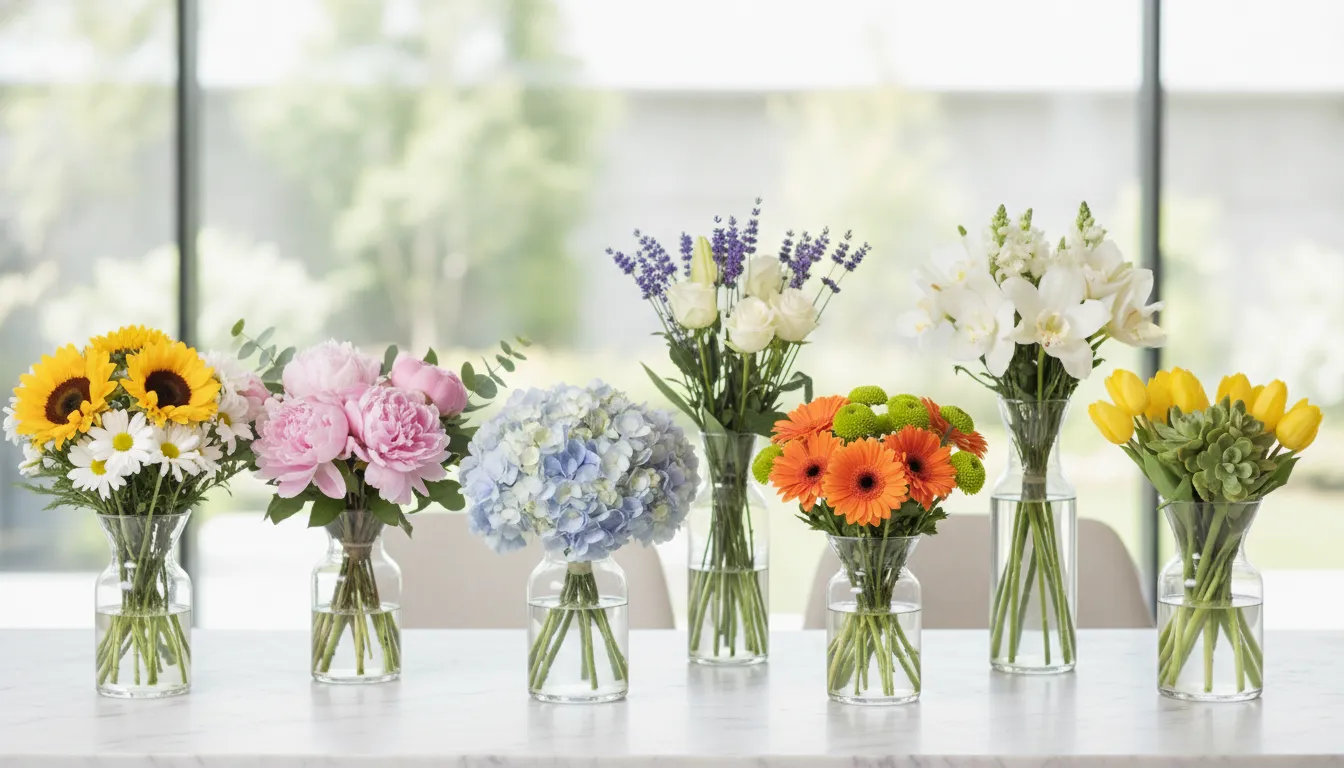
Choosing get well flowers involves more than picking the prettiest bouquet online. The best flowers for get well soon gifts should feel personal while remaining practical for the recipient. Consider their favorite colors, the space available, and whether they can manage regular flower care during recovery. Bright gerberas may cheer up a friend, pink roses may comfort a partner, and a low-maintenance succulent may suit someone resting at home. You should also check hospital rules, fragrance concerns, allergies, pet safety, and same-day delivery details. Use these tips to choose flowers that offer encouragement without creating extra work.
Key Takeaways
- Match the flowers to the recipient: Consider their favorite blooms, preferred colors, recovery setting, available space, allergies, and care needs.
- Confirm delivery requirements: Check hospital policies, same-day ordering deadlines, delivery details, fragrance concerns, and any restrictions on flowers, plants, food, or balloons.
- Add a personal, practical touch: Choose a vase-ready arrangement, low-maintenance plant, or suitable gift, then include a sincere card message offering thoughtful support.
Which Flowers Make the Best Get Well Soon Gifts?
The best get well soon flowers feel bright, thoughtful, and easy to enjoy. A cheerful bouquet can add color to a quiet room, while a long-lasting plant can remind someone of your care throughout their recovery. Before choosing an arrangement, consider the recipient’s personality, favorite colors, available space, and the amount of care they can manage.
Flower meanings can make your gift feel even more personal. Sunflowers often express optimism, tulips suggest hope, and orchids can represent strength and endurance. You might also ask a local florist to design a seasonal arrangement using flowers that suit the recipient and the delivery setting. This guide to get well flowers offers additional ideas for choosing a meaningful combination.
Send sunflowers and daisies for cheerful encouragement
Sunflowers are a wonderful choice when you want your gift to feel warm and uplifting. Their golden petals and large centers bring a sunny touch to a bedroom, kitchen, hospital room, or living area. They can express optimism and encouragement even when you are not sure what to write in the card.
Daisies offer a lighter, more playful look. Their simple petals are often associated with innocence, freshness, and positive thoughts. A bouquet of daisies works well on its own, or you can pair them with sunflowers and greenery for a fuller arrangement.
These flowers suit many relationships, including friends, siblings, parents, coworkers, and partners. Choose a compact bouquet for a bedside table or a larger arrangement for a spacious home. If you are sending flowers to a hospital, confirm that the facility accepts floral deliveries before placing your order.
Choose gerberas and roses for warmth and positivity
Gerbera daisies bring bold color and a joyful appearance to a get well soon arrangement. Their large flower heads make a strong visual impression, while shades such as yellow, orange, pink, and coral let you match the recipient’s personality. Choose bright colors for an energetic gift, or softer shades for a more peaceful arrangement.
Roses offer a classic way to express care. Pink roses can communicate affection and appreciation, while yellow roses often represent friendship, happiness, and support. If you are sending flowers to a partner, pink roses can feel warm and personal without the intensity of red roses.
Combining roses with gerberas creates a bouquet that feels both familiar and cheerful. Add eucalyptus or other greenery for texture, or ask your florist to keep the arrangement simple and easy to place. You can find more helpful ideas in this get well flower guide.
Give mixed tulips to represent hope and renewal
Tulips have a clean, graceful shape that makes them a thoughtful gift for someone recovering from an illness or procedure. Their association with comfort, warmth, and hope for better days gives the bouquet a meaningful message without feeling overly formal.
A mixed tulip arrangement can include several colors for a fresh, lively presentation. Yellow and orange tulips offer a sunny look, while pink, purple, and white varieties create a softer display. If you know the recipient’s favorite color, choosing tulips in that shade makes the gift feel more personal.
Tulips also look beautiful in a simple vase, so they suit a bedside table, kitchen counter, or living room shelf. Their blooms may continue opening after delivery, giving the recipient something new to notice as the bouquet matures. Include basic care instructions, such as keeping the vase filled with clean water and placing the flowers away from direct heat.
Send orchids and ferns to symbolize strength
A potted orchid makes an elegant, long-lasting gift for someone recovering at home. Orchids are often associated with strength, endurance, and beauty, making them a meaningful way to express steady support. Their structured blooms also suit recipients who prefer simple, polished gifts rather than colorful mixed bouquets.
Ferns add soft texture and a natural feel when paired with an orchid. Their green fronds frame the flowers and create a fuller display without adding a strong fragrance. Choose a small pot for a nightstand, desk, or windowsill, or select a larger arrangement for a living room.
Consider the recipient’s energy and living situation before choosing a plant. Someone resting at home may appreciate a low-maintenance variety that needs little attention. Ask your florist for care instructions and confirm the plant’s light and watering needs. A gift that is simple to maintain can feel especially considerate during recovery.
Choose hydrangeas and lilies for thoughtful elegance
Hydrangeas create full, generous arrangements with clusters of small blooms. Their rounded shape gives a bouquet a lush appearance, while blue, white, pink, and green varieties make it easy to match the recipient’s style. Hydrangeas can convey heartfelt care and bring a calm, welcoming look to a room.
Lilies add height and elegance, and their open blooms can represent renewal and hope. White lilies create a peaceful display, while pink varieties offer a softer, more colorful presentation. Since some lilies are highly toxic to cats, check whether the recipient has pets before ordering. Your florist can suggest a safer alternative if necessary.
Hydrangeas and lilies work well together in a larger arrangement for a home, but they may take up too much space in a hospital room. For a smaller setting, choose a compact vase arrangement or use just a few blooms with greenery. Consider fragrance, too, because strongly scented lilies may bother someone who is sensitive to smells.
Give carnations and alstroemeria for lasting color
Carnations are a practical choice when you want a colorful arrangement that stays attractive for an extended period. They come in shades such as pink, red, white, yellow, and peach, so you can create a cheerful combination or choose a single color. Their ruffled petals add texture and volume while helping the bouquet feel full.
Carnations are also associated with good luck, which makes them fitting for a get well soon message. Pair them with alstroemeria for a varied arrangement with lasting color. Alstroemeria has delicate, lily-like blooms and little fragrance, making it a useful option for recipients who prefer understated flowers.
With proper care, alstroemeria can last up to two weeks in a vase. Remind the recipient to replace the water regularly, trim the stems, and remove fading flowers. These simple steps help keep the arrangement looking fresh while giving the recipient a manageable activity during recovery.
Choose orchids, succulents, and plants for practical care
Flowers are not the only thoughtful choice for a get well soon gift. A succulent may suit someone who prefers greenery or may not have the energy to care for a fresh bouquet. These plants generally need limited watering and can remain attractive long after the recovery period. Choose a small container that fits easily on a desk, windowsill, or bedside table.
A potted orchid offers lasting beauty when placed in suitable light and watered according to its care instructions. You can also consider a leafy houseplant for someone who enjoys gardening. Select a variety based on the recipient’s experience, available space, and room conditions.
Before ordering a plant, ask about its light and watering needs. A plant that requires bright sunlight may not suit a darker room, and a large container may be difficult for someone with limited mobility to move. For more inspiration, explore these orchid and succulent gift ideas when selecting a lasting expression of support.
What Do Get Well Soon Flowers Symbolize?
Get well soon flowers can express care when you are not sure what to say. A bright bouquet may communicate encouragement, while soft colors can offer comfort during a difficult recovery. The flower type, color palette, and arrangement style all contribute to the message your gift sends.
Flower meanings can guide your choice, but personal details often make the arrangement more meaningful. Think about the recipient’s favorite flowers, colors, home décor, or gardening habits. Someone who loves colorful gardens may appreciate a cheerful mixed bouquet, while a person with a simple style may prefer white blooms and fresh greenery.
The setting matters, too. A compact vase arrangement may suit a hospital room, while a flowering plant or larger bouquet may work well at home. If you are ordering same-day flowers in Salt Lake City, Portland, or the Seattle-Tacoma area, a local florist can recommend seasonal blooms that fit the recipient and delivery location. The Bouqs guide to get well flowers offers additional ideas for choosing flowers that communicate hope, encouragement, and positivity.
Choose yellow and orange blooms for optimism
Yellow and orange flowers bring warmth and energy to a recovery space. Their sunny colors can brighten a bedside table, kitchen counter, or living room while reminding the recipient that you are thinking of them.
Sunflowers are a natural choice because their bright yellow petals are associated with optimism and long life. Yellow roses, daisies, orange gerberas, and golden lilies can create a similarly cheerful arrangement. These blooms suit a friend, partner, sibling, parent, or anyone who could use an encouraging reminder.
For a simple card message, write, “Sending you sunshine, strength, and plenty of reasons to smile.” The Bouqs get well flower guide also recommends sunflowers for their cheerful, uplifting appearance.
Send pink, blue, or purple flowers for comfort
Pink, blue, and purple flowers create a gentle, reassuring mood. These colors can suit someone resting after an illness, recovering from a procedure, or spending time away from their normal routine. They feel caring without being too bold or formal.
Hydrangeas are a thoughtful option because their full blooms come in pink, blue, and white. Purple lisianthus, lavender, pink roses, and blush carnations can create a similarly soft arrangement. Hydrangeas also have low pollen levels, which may make them suitable for some hospital or allergy-sensitive recipients.
Before ordering, check the hospital’s flower policy and consider any known sensitivities. Pair a soft-toned bouquet with a note such as, “Rest, heal, and know that I’m thinking of you.”
Select white and green flowers for calm and freshness
White and green flowers can give a recovery space a clean, peaceful feeling. This palette may be especially appropriate for someone who feels emotionally drained or is recovering from a serious illness. Rather than creating a vivid display, these colors offer a quiet sense of care and renewal.
White roses, white daisies, green hydrangeas, eucalyptus, bells of Ireland, and white lilies can create a graceful arrangement. Ask your florist to combine white blooms with pale greenery for a softer, more natural look. This style can work well in a home where the recipient prefers something restful.
According to the Bouqs flower symbolism guide, white and pastel flowers may create a calmer feeling. Keep fragrance and pollen in mind when sending flowers to a hospital or someone with sensitivities.
Let flower meanings shape your card message
Your card message gives the flowers a personal voice. Use the arrangement’s colors or blooms as inspiration, then write in a way that sounds natural to you. A short, sincere note usually feels warmer than a long message filled with general phrases.
For yellow flowers, try: “Sending you sunshine, strength, and lots of love while you recover.” For pink or purple blooms, write: “Thinking of you and wishing you comfort as you rest and heal.” A white and green arrangement could pair with: “Wishing you peaceful days, steady healing, and brighter mornings ahead.”
Let your relationship guide the tone. A partner may appreciate an affectionate message, while a coworker, neighbor, or client may prefer something warm and straightforward. Flowers can brighten a room and lift someone’s mood, while a thoughtful note helps the recipient feel remembered.
Choose favorite flowers, colors, and seasonal blooms
Traditional flower meanings are helpful, but the recipient’s preferences matter most. If you know their favorite flower or color, begin there. A bouquet filled with blooms they genuinely love can feel more personal than one selected only for symbolism.
Seasonal flowers are another thoughtful option. They are often fresh, distinctive, and well suited to local growing conditions. When ordering in Salt Lake City, Portland, or the Seattle-Tacoma area, ask your florist which flowers are available that day. If a particular bloom is unavailable, the florist can recommend a similar substitute.
Consider the recipient’s style at home, too. Do they prefer loose garden arrangements, clean modern designs, or bright mixed bouquets? Matching their taste makes the gift feel intentional. If you are unsure, choose a balanced seasonal arrangement in colors they wear, decorate with, or regularly mention.
Match the arrangement to the recipient and relationship
The right get well flowers should reflect both the recipient and your relationship. A cheerful mixed bouquet may suit a close friend, while an elegant vase arrangement may feel fitting for a parent, grandparent, or partner. For a coworker, neighbor, or extended family member, a modest arrangement with a warm card can express care without feeling too personal.
Think about the feeling you want to share. Bright flowers can communicate encouragement, soft pastels can offer comfort, and white and green blooms can create a calm atmosphere. A flowering plant or succulent may be ideal for someone who enjoys caring for plants during home recovery.
Arrangement size also matters. A compact bouquet may work best in a hospital room or small apartment, while a fuller design can suit a spacious living room. Tell your florist about the recipient, your relationship, and the delivery setting so they can suggest a considerate choice.
Which Flowers Suit Hospital or Home Recovery?
The best get well flowers depend on where the recipient is recovering. A compact bedside arrangement may suit a hospital room, while a flowering plant or succulent may be more practical for someone resting at home. Start with the recipient’s comfort, then consider the available space, delivery rules, allergies, and care requirements.
A vase-ready arrangement can bring color and encouragement to a hospital stay without asking the recipient to find supplies. For a longer recovery at home, a low-maintenance plant can offer a lasting reminder of your support. If you are unsure which option fits best, share the recipient’s situation with your florist before placing an order.
Check hospital policies and unit restrictions
Always check the hospital’s flower policy before ordering. Some hospitals do not accept flowers, while others restrict deliveries to certain units. Intensive care, oncology, maternity, and transplant units may have additional rules because of infection-control procedures, allergies, or limited room space.
Call the hospital’s main desk or the recipient’s unit to ask whether flowers are permitted and where deliveries should go. You can also review hospital flower policy guidance from The Flower Bar before you place an order. If the hospital cannot accept flowers, ask your florist whether delivery to the recipient’s home is possible instead.
Choose compact, low-fragrance, low-pollen hospital flowers
Hospital rooms often have limited surfaces, so choose an arrangement that fits easily on a bedside table. Bright flowers can make the room feel warmer without creating clutter. Small bouquets of roses, daisies, orchids, hydrangeas, or carnations can add color while leaving room for personal items and medical equipment.
Low-fragrance, low-pollen flowers are generally more considerate in shared medical spaces. Strong scents may bother the recipient, visitors, or nearby patients, and pollen can be difficult for people with sensitivities. Bouqs recommends orchids, hydrangeas, and roses as thoughtful choices with lighter fragrance. Tell your florist about any known allergies so the designer can make a suitable selection.
Consider allergies, sensitivities, water, and vase care
If the recipient has allergies, asthma, or scent sensitivities, mention this when ordering. Ask for low-pollen flowers and avoid heavily scented varieties when possible. You should also consider whether the recipient can reach the vase, change its water, or remove fading blooms without help.
A fresh arrangement should arrive in a clean vase with water, trimmed stems, and any necessary flower food. Someone recovering in a hospital may not have access to a sink, scissors, or supplies. At home, simple care instructions can help, but a low-maintenance arrangement may be the kinder choice when energy is limited. The goal is to send something comforting, not another responsibility.
Send manageable, vase-ready bedside arrangements
A vase-ready arrangement is often the most practical option for a hospital room. It arrives hydrated and arranged, so the recipient does not need to find a container or prepare the flowers. Choose a lightweight vase with a stable base, especially if it will sit near medical equipment, a bed, or a visitor’s chair.
Keep the design modest in size. Flowers should not spill across a table, block a window, or make it difficult to reach personal items. A cheerful mix of daisies, roses, carnations, or tulips can bring color without taking over the room. When ordering same-day flower delivery, tell your florist that the arrangement is for a hospital bedside so the designer can select an appropriate size and container.
Choose plants and succulents for home recovery
Plants can be a thoughtful choice when someone is recovering at home, particularly if the recovery may last several weeks. Unlike cut flowers, many plants and succulents continue to look fresh long after delivery. They can offer steady encouragement without requiring a replacement every few days.
Choose a plant that matches the recipient’s routine and home conditions. Succulents, orchids, and compact green plants may work well, but care needs vary. If the recipient has limited energy, select an option with simple watering instructions. Ask your florist about plants suited to extended recovery and explain where the plant will be placed.
Consider space, mobility, pets, children, and room conditions
Before choosing flowers or a plant, picture where the gift will go. A large arrangement may not suit a small apartment, crowded bedside table, or home where the recipient uses a walker or wheelchair. Select a stable container and avoid trailing stems that could catch on clothing, mobility aids, or medical equipment.
Pets and children also deserve consideration. Ask your florist about pet-safe plants if the recipient has animals at home, and keep glass containers away from busy areas where they could fall. Think about light and temperature, too. A plant that needs bright sunlight may not thrive in a dim room, while cut flowers generally last longer away from heaters, vents, and direct sun.
What Should You Check Before Ordering Same-Day Flowers?
Same-day flowers can bring comfort when you cannot visit in person. A few details, however, can determine whether the arrangement arrives on time and reaches the right person. Before ordering, check the florist’s delivery area, same-day cutoff, delivery window, and available designs. If you are sending flowers to a hospital or care facility, you will also need accurate recipient information and the facility’s delivery rules.
It helps to place your order as early as possible. The florist will have more time to prepare the arrangement, confirm the address, and contact you if a particular flower is unavailable. These checks are especially important for get well soon flowers, since the recipient may have a limited hospital stay or may be resting at home.
Choose a local florist in Salt Lake City, Portland, or Seattle-Tacoma
Choose a florist that regularly delivers in the recipient’s community. A local shop knows the surrounding neighborhoods, hospitals, care facilities, and delivery routes. Its design team can also recommend flowers that are fresh, seasonal, and suitable for the recipient’s setting.
If you are sending flowers to Salt Lake City, Portland, or Seattle-Tacoma, look for a florist with an established delivery team in that market. Local service often makes it easier to request a specific color palette, arrangement size, vase style, or delivery note. You can shop get well soon flowers for options designed to express care and encouragement.
Avoid choosing a shop based only on a low advertised price. Confirm that it serves the exact address and handles same-day orders directly. A nearby florist may also be able to answer questions about hospital deliveries, building access, and substitutions before you place the order.
Confirm availability, order cutoffs, and delivery windows
Same-day delivery usually comes with an order deadline. The cutoff may vary by location, weekday, arrangement, and delivery address. Check this information before you begin customizing your order, since a made-to-order design may need more preparation time than a florist’s standard same-day selection.
Review the delivery window, too. Many florists provide a time range instead of a guaranteed arrival time, while hospitals and care facilities may accept deliveries only during certain hours. For example, some local florists accept same-day orders by 3:00 p.m. for deliveries Monday through Saturday. Always confirm the same-day cutoff before checking out.
Order early when possible, particularly for a weekend, holiday, or hospital delivery. If you miss the cutoff, ask whether the florist can schedule delivery for the next available day or recommend an arrangement that is ready sooner.
Provide complete recipient, hospital, room, and contact details
For a hospital delivery, provide the recipient’s full name, hospital name, room number if available, and department. The department might be maternity, oncology, surgery, rehabilitation, or another specialty unit. Include the recipient’s phone number when appropriate, as well as your own contact information in case the florist needs to clarify an order detail.
For home deliveries, enter the complete street address, apartment or unit number, building name, and access instructions. Mention a gate code, concierge desk, side entrance, or safe delivery location if one applies. A phone number can help the driver reach someone when the recipient is resting or unable to answer the door.
Review every detail before submitting the order. Check the spelling of the recipient’s name, the street number, and the hospital department. One missing unit number or incorrect room detail can delay delivery or send the flowers to the wrong entrance.
Check access rules, front-desk procedures, and delivery timing
Hospitals, rehabilitation centers, and assisted living communities may limit where flowers can go. Some accept arrangements at the front desk but do not allow couriers to enter patient rooms. Others restrict flowers in intensive care, transplant, burn, or allergy-sensitive units. Check the facility’s flower delivery policy before ordering.
When the rules are unclear, call the hospital or facility and ask how deliveries are handled. Find out whether the driver should leave the arrangement with security, the reception desk, a volunteer service, or a mailroom. Share these instructions with the florist when you place the order.
Timing matters if the recipient may be discharged soon. Let the florist know about the situation and ask what happens if the recipient is no longer at the facility. The shop may be able to contact you, redirect the flowers, or arrange another delivery.
Review substitutions, vase options, and arrangement size
Fresh flowers change with the season, so an arrangement may include substitutions. Read the florist’s policy to learn how replacements are handled. A professional florist will typically choose a bloom with a similar color, style, and value when a specific flower is unavailable. If one flower is especially meaningful, contact the shop before ordering to ask about availability.
Consider the recipient’s space when selecting an arrangement. Petite or medium designs are often a practical choice for hospital rooms, where bedside tables and counters may be small. A sturdy vase keeps the arrangement upright and makes it easier to display without spills. You can also ask whether the flowers arrive already arranged in water or in a container designed for short-term transport.
For a home delivery, you may have more room to choose a larger design. Still, think about whether the recipient can lift the vase, change the water, and move the flowers safely. A beautiful arrangement should be manageable as well as thoughtful.
Ask about care instructions and delivery updates
Ask how the flowers will arrive and what care they need. Some arrangements come in a vase with water, while others arrive in a floral container or wrapped for the recipient to arrange at home. Basic instructions may include adding fresh water, trimming the stems, and keeping the flowers away from direct sunlight, heating vents, and ripening fruit.
A vase-ready arrangement can be especially helpful for someone recovering at home or staying in a hospital room. It removes extra work and gives the recipient an attractive display right away. A sturdy container can also reduce the chance of spills on a bedside table or countertop.
Before finishing your order, check whether the florist provides email or text delivery updates. A confirmation tells you when the flowers have arrived, even if the recipient is sleeping or cannot answer the door. For hospital deliveries, ask the florist to contact you if the front desk cannot accept the arrangement or the recipient has already been discharged.
How Can You Personalize Get Well Soon Flowers?
A get well soon arrangement feels more meaningful when it reflects the person receiving it. Before ordering, think about their favorite flowers, preferred colors, personality, and current recovery setting. Someone staying in a hospital may appreciate a compact vase arrangement, while someone recovering at home may enjoy a flowering plant or a gift basket they can keep nearby.
The most personal gifts often include one thoughtful detail, such as a familiar bloom, a favorite color, or a message that recalls a shared memory. You can also consider how much care the gift will require. A ready-to-display arrangement may be easiest for someone with limited energy, while a plant may suit a person who enjoys gardening. If you are unsure what to choose, a local florist can recommend flowers and gifts based on the recipient’s needs.
Add a warm, personal card message
A card message is often the most meaningful part of a get well soon gift. Keep it warm, sincere, and easy to read. You do not need to write a long note. A few thoughtful sentences can remind the recipient that you are thinking about them and looking forward to seeing them well again.
Mention a shared memory, offer specific help, or let them know they are loved. You might write, “I’m thinking of you every day. Rest as much as you need, and I’m here when you’re ready for company.” Avoid pressuring them to respond or recover quickly. A message that offers comfort without expectations is especially fitting. These get well flower message ideas can help if you are not sure where to begin.
Choose favorite blooms and colors
If you know the recipient’s favorite flower, make it the starting point for the arrangement. Their preferred blooms can make even a simple bouquet feel personal. Think about flowers they have mentioned, grown in their garden, displayed at home, or carried in a wedding bouquet. Favorite colors can guide the design as well.
When you do not know their preferences, choose familiar flowers in shades that suit their personality. Soft pinks may appeal to someone who enjoys gentle, romantic details, while bright yellows or oranges may suit a naturally upbeat person. You can also ask a family member or close friend for suggestions before placing the order. This small step gives the florist useful direction and helps the arrangement feel connected to the recipient.
Select a cheerful, calming, or elegant palette
Color can shape the mood of a flower arrangement. Bright yellows, oranges, and lively pinks offer cheerful encouragement and can bring energy to a hospital room or bedroom. Choose these shades when your main goal is to help the recipient smile and feel remembered.
Soft whites, pale pinks, lavender, and light blues create a quieter look for someone who is tired or recovering from a serious illness. Green foliage adds a fresh, restful touch, while white flowers can give the arrangement a clean, elegant appearance. Think about both the recipient’s preferences and the room where the flowers will sit. This guide to get well flower colors offers helpful ideas for choosing between bright and calming palettes.
Match the gift to your relationship
The arrangement can reflect the relationship you share with the recipient. For a partner, choose their favorite flowers in a romantic color palette and include a personal note. For a parent, sibling, or close friend, a bright mixed bouquet can express affection without feeling too formal.
For a coworker, neighbor, or distant relative, consider a cheerful vase arrangement with a simple message such as, “Wishing you a smooth recovery.” If you are sending flowers on behalf of a group, include everyone’s names in the card. The best choice should feel natural and considerate, not overly intimate or impersonal. When in doubt, a classic arrangement with a sincere message works well for almost any relationship.
Choose a bouquet, vase arrangement, plant, or gift basket
The format of the gift matters as much as the flowers. A hand-tied bouquet offers a classic presentation, but the recipient will need to find a vase and arrange the stems. A vase arrangement is ready to display, making it practical for a hospital room, office, or busy household.
Plants, fruit baskets, and gift baskets offer other ways to personalize the gesture. A flowering plant may suit someone who enjoys caring for greenery, while a basket can combine flowers with snacks or useful comforts. Consider what the recipient can manage easily, along with the space available. Florists often offer get well flowers, plants, and gift add-ons so you can select a gift that fits the recipient’s routine and preferences.
Select long-lasting flowers for ongoing recovery
For a longer recovery at home, choose a gift that will continue to look beautiful beyond the first few days. Potted orchids are elegant and may keep their blooms for months with proper care. Succulents and low-maintenance houseplants can also provide lasting color without requiring frequent watering.
Plants work best when the recipient has enough space, suitable light, and the energy to care for them. If maintaining a plant may feel like a chore, choose a vase arrangement made with durable flowers instead. Ask the florist for care instructions and consider whether pets or children could reach the plant. A long-lasting gift should provide comfort, not create another responsibility. Advice on flower and plant longevity can help you choose an option suited to an extended recovery.
What Gifts Pair Well With Get Well Soon Flowers?
Flowers can brighten a recovery room or home, while a companion gift can make the delivery feel more personal. The best choice depends on the recipient’s health, interests, available space, and location. A fruit basket may suit someone recovering at home, while a card, plush animal, or balloon can bring comfort to someone in the hospital.
Before adding food, plants, or oversized items, check the delivery location’s rules. Some hospitals restrict flowers, balloons, plants, or outside food in certain units. If you are sending a gift to a hospital, ask the florist about delivery requirements and review the facility’s visitor guidelines before placing your order.
Add fruit baskets and suitable food gifts
A fruit basket pairs well with get well soon flowers and gives the recipient something to enjoy after the arrangement arrives. Choose easy-to-eat options such as apples, pears, oranges, bananas, or grapes. A smaller basket with individual portions may be easier to manage than a large display, especially in a shared hospital room.
Food gifts require extra thought. Ask a family member about allergies, dietary restrictions, nausea, or a limited appetite before ordering. For home recovery, tea, crackers, or shelf-stable snacks may be suitable alternatives. When you are unsure about ingredients, review the FDA’s food allergy guidance and choose clearly labeled products.
Include plush animals and comforting bedside gifts
A plush animal can bring warmth to a get well soon delivery, especially for a child or anyone who enjoys a cozy bedside companion. Choose a soft, washable item that fits on a nightstand, hospital tray, or chair. For an adult, a simple design in the recipient’s favorite color may feel more thoughtful than a heavily themed option.
You can also add a handwritten card with a personal message, such as, “Thinking of you and hoping each day feels a little easier.” Other comforting choices include soft socks, a sleep mask, lip balm, or a lightweight blanket. Avoid strong fragrances, loose glitter, and small detachable pieces that may create a mess or safety concern.
Send balloons for a cheerful display
Balloons add color to a get well soon delivery and can create a cheerful display without taking up much table space. Choose a few latex balloons, one foil balloon, or a simple “Get Well Soon” message. You can also match the colors to the recipient’s personality, favorite team, or room décor.
Always confirm that the hospital accepts balloons before ordering. Some facilities restrict latex because of allergies, while specialty units may not allow balloons at all. If latex is not permitted, ask your florist about foil alternatives. For home delivery, keep balloons away from pets, young children, ceiling fans, and heat sources. A florist can also help you choose a size that will not overwhelm a small room.
Give plants and succulents for lasting encouragement
A plant or succulent can serve as a lasting reminder that you are thinking of someone throughout recovery. Low-maintenance choices may include a small succulent, pothos, snake plant, or peace lily, depending on the recipient’s home and care routine. A compact pot works well on a bedside table, kitchen counter, or windowsill.
Plants are generally more practical for home recovery than hospital rooms, where lighting, space, and facility policies can limit their use. Include simple care instructions so the gift feels manageable. If the recipient has pets, check the plant’s safety using the ASPCA’s toxic and nontoxic plant list. An artificial plant may be a better option for someone with allergies or limited mobility.
Choose books, puzzles, and practical home-recovery gifts
Quiet activities can make recovery feel less tedious, so books, magazines, crossword books, coloring books, and simple puzzles pair naturally with get well soon flowers. Choose something based on the recipient’s interests. Large-print books or audiobooks may be more comfortable than small text for someone recovering from surgery, fatigue, or an eye-related condition.
Practical gifts can be just as meaningful. Consider a long phone charger, lap tray, reusable water bottle, or small bedside organizer. Ask a family member what the recipient needs before ordering, particularly if mobility is limited. For home recovery, a prepared meal, grocery delivery, or local service gift card can offer useful support without requiring the recipient to make extra arrangements.
Check dietary needs, allergies, hospital rules, and practical concerns
Before adding a gift, make sure it suits the recipient’s health needs and delivery setting. Food may not be appropriate for someone with allergies, dietary restrictions, nausea, or a temporary medical plan. Flowers and plants may also be restricted in intensive care, transplant, oncology, or other specialty units. When you need clarification, ask the hospital, recipient, or a close family member.
Consider the gift’s size and care requirements, too. A large basket may be difficult to move, and a glass vase may not be practical for someone with limited mobility. Strong fragrances can bother people with sensitivities, while balloons and plush toys may not suit homes with pets or small children. Your local florist can recommend an appropriate arrangement, confirm same-day flower delivery, and suggest substitutions when needed.
What Get Well Soon Flower Mistakes Should You Avoid?
Get well soon flowers should make recovery feel a little brighter, not create extra work or discomfort. Before ordering, consider where the recipient is staying, how much space they have, and whether they can care for fresh flowers. A large arrangement may not fit beside a hospital bed, while a strongly scented bouquet could be uncomfortable for someone dealing with nausea or sensitivities.
A few practical checks can make your gift more thoughtful. Confirm that the hospital accepts flowers, provide complete delivery details, and tell the florist about allergies, pets, children, or other concerns. It is also worth reviewing the delivery cutoff, substitution policy, vase style, and care requirements before you place the order. These details matter whether you are sending flowers across Salt Lake City, Portland, Seattle-Tacoma, or to a loved one recovering at home.
Avoid strongly scented or high-pollen flowers
Strong fragrance may bother someone recovering from surgery, taking medication, or experiencing nausea. Heavily scented blooms, including some traditional lilies, can also affect roommates, caregivers, nurses, or visitors sharing the space. If you are unsure about the recipient’s preferences, choose cheerful, low-fragrance flowers such as daisies, tulips, roses, or gerberas.
Pollen can also cause discomfort for people with allergies or sensitivities. Ask your florist for a low-pollen design and mention any concerns before ordering. The Bouqs guide to get well flowers recommends avoiding strong scents when sending flowers to a hospital or someone prone to nausea.
Follow hospital policies and restricted-unit rules
Check the hospital’s flower policy before placing an order. Some facilities do not accept fresh flowers at all, while others restrict them in areas such as intensive care, oncology, maternity, surgery, or transplant units. Rules can vary by facility, so do not assume that a delivery accepted at one hospital will be allowed at another.
Call the hospital or review its visitor guidelines for current information. If flowers cannot enter the patient’s room, the florist may be able to leave them at the front desk, depending on hospital procedures. You could also send a plant, gift basket, or card to the recipient’s home instead. Confirming the rules first helps prevent delays, returns, or a delivery the patient never receives.
Skip oversized arrangements for small bedside spaces
A large bouquet may look impressive online, but it can be difficult to manage in a hospital room. Bedside tables often hold medical equipment, meal trays, water bottles, personal items, and mobility aids. An oversized arrangement can take up needed space or become difficult for the recipient and caregiver to move.
Choose a compact bouquet in a stable, ready-to-display vase instead. A low arrangement is easier to see around and less likely to tip when someone reaches across the table. A smaller design can still feel generous when it includes bright colors and a personal card. The Bouqs flower delivery guide also recommends choosing smaller arrangements for cramped hospital rooms.
Consider allergies, sensitivities, pets, and children
Ask about allergies or sensitivities before choosing flowers whenever possible. Even a minor reaction can make recovery less comfortable, particularly in a shared hospital room. Tell the florist about any known concerns so they can recommend suitable blooms and avoid varieties with strong fragrance or abundant pollen.
For home deliveries, think about everyone who shares the space. Some flowers and plants can be unsafe for pets or young children if chewed, and a fragile glass vase may not suit a busy household. Ask about pet-conscious choices and sturdy containers. Eastern Floral’s get well flower guide also recommends considering hypoallergenic flowers for patients and caregivers.
Check same-day delivery cutoffs
Same-day delivery is useful when you want to send encouragement quickly, but florists set their own order deadlines. Availability may also depend on the delivery area, day of the week, weather, holidays, and the flowers in stock. Check the cutoff before ordering, especially if the recipient is leaving the hospital soon.
Hospital deliveries may require additional time because flowers often pass through a front desk or receiving department. Place your order as early as possible and provide the recipient’s expected discharge date if you know it. Before checkout, review the florist’s same-day delivery details so you know when your order can arrive.
Provide complete hospital and recipient details
A florist needs more than the recipient’s first name to deliver flowers to a medical facility. Include the patient’s full name, hospital name, room number if available, and department, such as oncology, maternity, or surgery. Add the recipient’s phone number when appropriate, along with your own contact information in case the florist needs to clarify anything.
Check every detail before submitting the order. Patients can move rooms, and some hospitals will not share room information for privacy reasons. If you do not know the room number, ask whether the hospital accepts deliveries at the front desk. Complete information gives the delivery team a better chance of reaching the right person without interrupting the patient or staff.
Review substitutions, vase styles, and care needs
Seasonal availability may mean the arrangement does not look exactly like the photo online. Read the florist’s substitution policy and request flowers in similar colors, size, and style if a particular bloom is unavailable. A professional florist should preserve the arrangement’s overall value and cheerful feeling while choosing suitable replacements.
Review the vase and care instructions, too. A stable, easy-to-handle container works well for a hospital bedside table, while a lightweight option may be more practical at home. Ask how often the flowers need fresh water or trimming. Bright, low-fragrance blooms in a ready-to-display vase are often the most considerate choice for someone who may not have the energy to manage a demanding arrangement.
Frequently Asked Questions
What are the best flowers to send someone who is recovering? Sunflowers, daisies, tulips, gerberas, roses, carnations, and orchids all make thoughtful choices. Select bright blooms for encouragement, soft colors for comfort, or a potted plant for a gift that lasts longer.
Are flowers appropriate for a hospital patient? They can be, but hospital policies vary by facility and department. Confirm that flowers are permitted, then choose a compact, low-fragrance arrangement in a stable vase. If delivery is restricted, consider sending the gift to the recipient’s home instead.
What should I write in a get well soon card? Keep your message sincere and supportive. Try, “Thinking of you and wishing you a smooth recovery. I’m here if you need anything.” You can make it more personal by mentioning a shared memory, offering specific help, or using the recipient’s favorite flower as inspiration.
Should I send flowers or a plant for a longer recovery? A plant, orchid, or succulent may work well for someone recovering at home because it can remain attractive after cut flowers fade. Choose an option that matches the recipient’s available light, space, energy, and comfort with plant care.
How can I arrange same-day get well flower delivery? Order as early as possible and confirm the florist’s delivery area, cutoff time, and delivery window. Provide the recipient’s full name, complete address, phone number, and any hospital department or access instructions. Also ask about substitutions, vase options, allergies, and facility requirements before checking out.

