
Corsage and Boutonniere Guide: Styles, Costs & Etiquette
Find out how to choose the perfect corsage and boutonniere with tips on styles, costs, etiquette, and ordering for weddings, proms, and special events.
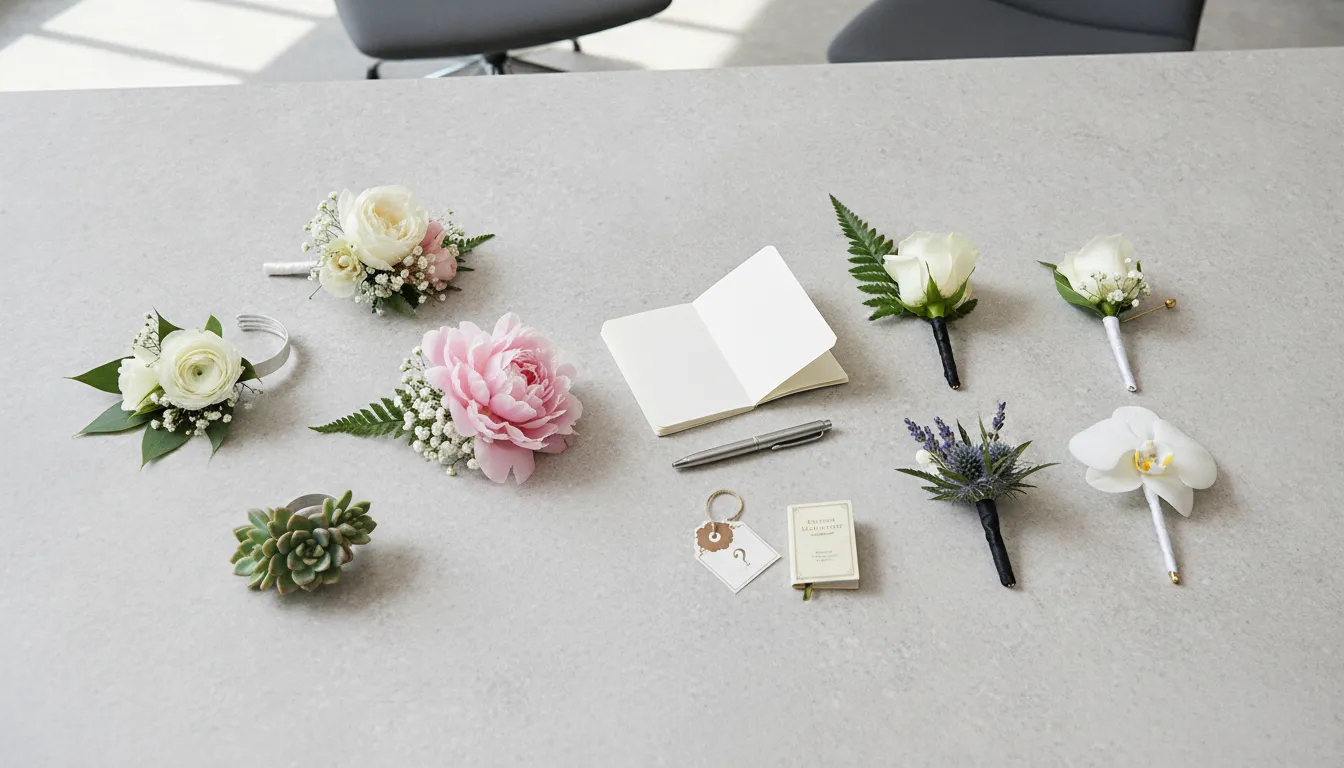
A corsage and boutonniere can say a lot without taking up much space. They may honor family members at a wedding, coordinate a couple’s outfits at a dance, celebrate a graduate, or add a personal detail to an anniversary evening. Traditional etiquette offers helpful guidance, but it does not need to limit your choices. The wearer’s style, comfort, clothing, and preferences matter most. Before ordering, consider the event, color palette, flower type, attachment method, and delivery timing. With a few thoughtful decisions, you can choose floral accessories that look polished, feel comfortable, and stay fresh throughout the celebration.
Key Takeaways
- Match the flowers to the occasion and outfit: Consider the event, clothing color, fabric, comfort, allergies, and attachment style before choosing a corsage or boutonniere.
- Use tradition as a starting point: Anyone can wear either design, so choose flowers based on personal preference, event roles, and coordinated colors rather than gender.
- Order with care and timing in mind: Share delivery details, outfit photos, flower preferences, and budget with your florist, then keep fresh arrangements cool until they are worn.
Know the Basics of Corsages and Boutonnieres
Corsages and boutonnieres are small floral designs that complement formal attire and make an occasion feel more special. You may see them at proms, homecomings, weddings, graduations, galas, anniversaries, and other celebrations.
Traditionally, corsages were associated with women and boutonnieres with men, but those customs are not requirements. Anyone can wear either style based on personal preference, outfit, and comfort. Couples, friends, family members, and solo attendees can choose matching flowers, complementary designs, or entirely different arrangements.
When planning your flowers, start with the event and the people who will wear them. Consider the outfit’s color and fabric, the length of the event, the weather, and how the flowers will attach. Your florist can recommend blooms and sizes that look beautiful without feeling heavy or getting in the way.
Compare corsages and boutonnieres
A corsage is a miniature bouquet, usually made with three to five blooms. It may be worn on the wrist, pinned to clothing, or attached to a decorative bracelet. Wrist corsages are popular for dances because they leave the hands free, while pin-on corsages work well for weddings, anniversaries, and formal events.
A boutonniere is a smaller design built around one focal flower, often paired with greenery or a small accent bloom. It is traditionally worn on the left lapel of a suit or tuxedo, over the heart. The difference between corsages and boutonnieres mainly comes down to size, shape, and placement.
The two designs can share the same flowers or use complementary colors. For example, a rose corsage might pair with a boutonniere featuring one rose and eucalyptus. A florist can adjust each arrangement for a dress, jumpsuit, suit, tuxedo, or other formal outfit.
Know who traditionally wears each
At weddings, corsages traditionally go to the mothers and grandmothers of the couple. Boutonnieres are commonly worn by the groom, groomsmen, fathers, and grandfathers. Couples may also include siblings, ushers, readers, officiants, or other people with important roles.
These customs offer a useful starting point, but they do not have to determine your final order. A parent may prefer a boutonniere, or a friend may enjoy wearing a corsage. The traditional etiquette for wedding and prom flowers provides helpful context while leaving room for personal choices.
Before ordering, make a list of everyone who should receive flowers. Confirm each person’s outfit, flower preferences, allergies, and preferred attachment style. This helps you avoid last-minute changes and gives every arrangement a thoughtful purpose.
Explore prom and homecoming traditions
For prom and homecoming, a student traditionally brings their date a corsage, while the date provides the boutonniere. Many couples still enjoy this exchange, but students can also order flowers together, coordinate with friends, or give flowers without following a traditional dating arrangement. A solo attendee can wear a corsage or boutonniere simply because they like the look.
Choose flowers that complement the outfit rather than matching every detail exactly. A cream corsage can look striking with a navy dress, while burgundy flowers can add warmth to a black suit. If the outfit includes lace, beading, or delicate fabric, request a lightweight design that will not snag or feel uncomfortable.
Order as early as possible for busy prom and homecoming weekends. Give your florist the event date, outfit color, preferred blooms, and attachment style. For a boutonniere, share the jacket color and lapel style so the arrangement fits securely.
Understand wedding roles
Wedding flowers often reflect the couple’s family traditions, ceremony roles, and overall floral design. The wedding party may wear boutonnieres, while mothers, grandmothers, and other honored guests wear corsages. Couples may also order flowers for the officiant, flower person, ring bearer, or close family members.
Traditionally, the groom’s family paid for personal flowers, including corsages and boutonnieres. Many couples now include these arrangements in the overall wedding flower budget. Discuss the flower list together before ordering so everyone understands what is included and who will cover the cost.
Personal flowers do not need to look identical. For example, the wedding party might wear white rose boutonnieres with greenery, while family members receive fuller corsages in the same color palette. For an inclusive wedding party, choose designs based on attire and personal preference rather than gender. A florist can create a cohesive collection with different sizes, shapes, and attachment styles.
Choose flowers for galas, graduations, dances, and anniversaries
The best flowers depend on the event, outfit, season, and overall mood. Roses create a classic romantic look, carnations offer durable texture, and orchids bring a refined, modern feel. Chrysanthemums and daisies add cheerful color, while calla lilies suit a sleek gala or anniversary design. Popular flowers for corsages and boutonnieres include roses, carnations, chrysanthemums, orchids, and calla lilies.
For graduations, consider the graduate’s school colors or favorite blooms. For anniversaries, choose flowers connected to the couple’s story, such as the blooms from their wedding or a meaningful first date. Galas often suit roses, orchids, or calla lilies, while dances may call for brighter colors and playful accents.
Seasonal flowers can make the arrangement feel personal and distinctive. Add greenery, ribbons, baby’s breath, pearls, charms, or a small succulent to reflect the wearer’s style. If the flowers will be worn for several hours, choose sturdy blooms and keep the arrangement cool until it is time to put it on.
Choose the Right Corsage and Boutonniere
The right corsage or boutonniere should feel like part of the outfit, not an afterthought. Start with the event, clothing, preferred flowers, and how much movement the wearer expects. A delicate wrist corsage may suit a formal dress, while a pin-on corsage may work better with a sleeve, shoulder strap, or structured outfit.
It also helps to order the corsage and boutonniere together. A florist can repeat a flower, color, ribbon, or greenery in both pieces so they look connected without being identical. FTD’s corsage etiquette guide recommends coordinating flowers with the wearer’s attire and the event colors, which is a helpful starting point for prom, homecoming, weddings, galas, and graduations.
When you order, share as many details as possible. A photo of the outfit, event date, venue, preferred colors, and any allergy or fabric concerns will help your florist recommend flowers that look beautiful and hold up well. A local florist can also suggest seasonal blooms that suit the celebration and your location.
Select wrist, pin-on, shoulder, or bracelet corsages
A wrist corsage is the most familiar choice for dances and formal events. It rests on the wrist and works especially well with strapless or sleeveless dresses. A pin-on corsage can attach to a dress strap, sleeve, shoulder, or jacket, making it practical when a bracelet would interfere with the outfit.
Some florists create corsages on decorative bracelets, cuffs, or ribbon bands. These designs can include pearls, charms, beads, or fabric details that feel more like jewelry. Shoulder corsages offer a bolder look and may suit gowns with a defined shoulder or an asymmetrical neckline.
Think about the clothing’s fabric and fit before choosing a style. A florist can recommend the safest attachment method and help prevent pins from catching delicate material. Ben White Florist explains common corsage placements, including wrist and pin-on options.
Match boutonnieres to suits, tuxedos, dresses, and jumpsuits
A boutonniere should complement the outfit without competing with its color, pattern, or texture. For a black tuxedo or dark suit, a white rose, pale orchid, or light seasonal bloom creates a clean contrast. A lighter suit may pair well with deeper flowers or richer greenery, depending on the event palette.
Boutonnieres are not limited to traditional men’s formalwear. They can be designed for dresses, jumpsuits, blazers, vests, and other outfits. Look for a stable area where the piece can be secured without pulling the fabric. A jacket lapel is classic, but a florist can suggest another placement for clothing without lapels.
Share a photo or description of the outfit when ordering. Include the fabric, color, neckline, and whether the wearer will have a jacket. This gives the florist enough information to create a boutonniere that sits neatly and feels intentional.
Compare fresh, silk, dried, preserved, and eco-friendly flowers
Fresh flowers offer natural color, fragrance, and texture, making them popular for weddings, dances, and formal photographs. They need protection from heat and rough handling, so keep them cool before the event and avoid leaving them in a warm car.
Silk flowers can be a good choice when someone wants to save the corsage or boutonniere as a keepsake. Dried flowers bring a soft, textured appearance, while preserved flowers can maintain their shape and color longer than fresh stems. These options may also suit events planned far in advance.
For a lower-waste design, ask about locally grown seasonal flowers, reusable ribbons, compostable materials, or accents that can be replanted after the event. FiftyFlowers features roses, orchids, and seasonal blooms among popular options for corsages and boutonnieres.
Choose roses, carnations, orchids, ranunculus, daisies, or seasonal blooms
Roses are a classic option because they come in many colors and have a sturdy shape. Carnations are long-lasting and offer a ruffled texture, while orchids bring an elegant, modern look. Ranunculus are popular for their layered petals, and daisies create a cheerful, relaxed style.
Seasonal flowers can make the design feel connected to the time of year. Spring events may feature tulips, sweet peas, or ranunculus. Summer celebrations often include dahlias, sunflowers, or garden roses, while fall designs can use mums, berries, and warm-toned blooms. Winter arrangements may feature roses, orchids, carnations, or evergreen accents.
Your florist can recommend flowers that fit your color preferences and the event conditions. For more ideas, Cascade Floral Wholesale highlights flowers commonly used in corsages and boutonnieres, including roses, carnations, chrysanthemums, orchids, and calla lilies.
Add greenery and accents such as eucalyptus, baby’s breath, ribbons, pearls, charms, or succulents
Greenery gives a corsage or boutonniere shape and frames the main flower. Eucalyptus creates a soft, silvery look, while delicate foliage can make a small design feel fuller without adding much weight. Baby’s breath offers an airy finish that pairs well with roses, carnations, and pastel flowers.
Small accents can make the design feel personal. Consider satin or velvet ribbon, pearls, beads, a charm, a miniature succulent, or a meaningful color detail. For a rustic wedding or outdoor celebration, dried grasses and textured foliage may fit better than polished embellishments.
Keep every detail proportional to the wearer and outfit. A large charm or heavy decoration can make a wrist corsage uncomfortable, and loose pieces may catch on clothing. Ask your florist to secure each accent firmly so the flowers stay neat throughout the event.
Match sets or coordinate complementary designs
Matching does not mean making the corsage and boutonniere identical. A shared flower, ribbon, or greenery can connect the pieces while allowing each design to suit the wearer. For example, a white rose corsage might pair with a boutonniere featuring a smaller white rose and eucalyptus.
You can also coordinate by color. A burgundy ranunculus in the corsage may appear as a smaller accent in the boutonniere, while blush ribbon ties both designs together. This approach works well when one person wears a patterned dress or jumpsuit and the other wears a solid suit or tuxedo.
When ordering, ask for a coordinated set instead of choosing two unrelated designs. FTD explains how couples can coordinate corsage and boutonniere selections, helping the flowers look thoughtful in photos without appearing overly matched.
Personalize flowers with birth blooms, favorite colors, or keepsakes
Personal details can turn a traditional floral accessory into a meaningful gift. Choose a favorite flower, a birth-month bloom, or a color associated with the wearer. If the event has a formal palette, use the personal detail as a small accent rather than letting it overpower the design.
You can also include a keepsake, such as a tiny charm, initial, family ribbon, or meaningful pin. For weddings, a florist may be able to incorporate a small heirloom if it can be attached safely. Tell the florist about the keepsake before designing begins, especially if it is delicate or valuable.
Bring a photo of the outfit and share color preferences clearly. The corsage should complement the clothing rather than clash with it, and FTD recommends matching floral designs to the attire or wedding colors.
Consider size, comfort, allergies, fabric, and secure attachment
The best design is one the wearer can enjoy comfortably for several hours. Keep wrist corsages light enough for dancing, dining, and taking photos. A boutonniere should sit flat on the lapel without pulling the jacket or covering the outfit.
Mention flower allergies and sensitivities when ordering. If fragrance is a concern, your florist can suggest less-scented blooms and avoid heavily perfumed varieties. Also share details about delicate fabrics, beading, strapless dresses, and outfits without lapels so the flowers can be attached safely.
Before leaving the shop, check that the bracelet fits comfortably and that the pins, ribbons, and stems feel secure. Boutonnieres traditionally sit over the left chest area, commonly on the lapel. A corsage may be worn on the left wrist or another agreed-upon location based on the outfit. Ask for placement instructions if you plan to attach the flowers yourself.
Follow Corsage and Boutonniere Etiquette
Corsages and boutonnieres are small details, but they carry plenty of meaning. Whether you are planning a wedding, prom, homecoming, graduation, gala, or anniversary celebration, a few thoughtful choices will help the flowers look beautiful and feel comfortable.
Traditional etiquette is a useful starting point, not a strict rulebook. The wearer’s preferences, outfit, comfort, and the event’s style should guide the final decision. When ordering, share the event date, venue, clothing details, color palette, preferred flowers, allergies, and delivery location with your florist. These details help create flowers that look right in person and in photos.
Know who traditionally buys, gives, and pays
Traditionally, the groom’s family purchases the bridal bouquet, corsages, and boutonnieres for close family members. Corsages commonly go to the mothers and grandmothers of the couple. Boutonnieres are typically worn by the groom, groomsmen, fathers, and grandfathers.
For prom and homecoming, the person’s date traditionally buys and presents the corsage or boutonniere. Parents, friends, and attendees can also place the order, especially when the flowers are part of a group celebration. The traditional corsage etiquette guide can help you understand common customs before deciding what feels right for your event.
There is no need to follow tradition if another arrangement suits your family better. Couples can share the cost, each person can order their own flowers, or one person can purchase designs for the entire wedding party.
Choose inclusive options for couples, friends, solo attendees, and wedding parties
Anyone can wear a corsage or boutonniere. Couples may exchange wrist corsages, boutonnieres, floral bracelets, or complementary designs. Friends attending a dance together can purchase flowers for one another, and someone attending alone can order a favorite design as a personal accessory.
Wedding parties can also mix styles while keeping a coordinated appearance. One attendant may prefer a wrist corsage, another may choose a pin-on style, and others may wear boutonnieres. Matching flowers, ribbon, or greenery will connect the group without requiring everyone to wear the same design.
Ask each wearer about comfort, allergies, and clothing before ordering. Inclusive planning means giving people choices rather than assuming who should buy or wear a particular flower. Corsage etiquette ideas can help you plan flowers for couples, friends, and wedding parties.
Coordinate flowers with attire and event colors
Choose flowers that complement the outfit instead of competing with it. Corsages and boutonnieres can match the event palette, coordinate with a dress or suit, or repeat a small detail such as a tie, pocket square, shoe, or hair accessory.
If the outfit has a bold pattern, a simple arrangement in one or two colors may look best. Neutral clothing gives you more freedom to add a brighter bloom, colorful ribbon, or distinctive accent. Ask for a fabric photo or color sample when possible, since shades such as burgundy, blush, coral, navy, and lavender can look different under indoor lighting.
Your florist can recommend flowers that stand out without clashing with the clothing. This prom corsage guide also offers helpful advice on coordinating flower and ribbon colors with formalwear.
Present flowers before the event
Give the corsage or boutonniere before the ceremony, photos, dinner, or dance begins. At prom and homecoming, couples often exchange flowers during pre-event photos. At weddings, flowers are usually distributed while the wedding party is getting ready.
Present the flowers gently, then offer to help the wearer put them on. Take your time with pins so you do not damage clothing or prick anyone’s skin. For fresh flowers, wait until reasonably close to the event before putting them on. Florists often recommend wearing them about 30 to 60 minutes before the ceremony, as noted in this wedding corsage timing guide.
If photos happen before the ceremony, place the flowers on before the photographer arrives. This lets the arrangements appear in portraits while they are still fresh and neatly positioned.
Place flowers on the left wrist, shoulder, or lapel
A wrist corsage is traditionally worn on the left wrist, though the wearer can choose the side that feels most comfortable. A pin-on corsage typically sits on the left shoulder or left dress strap, with the flowers facing outward. For a strapless dress, a wrist corsage or floral bracelet is often more secure than a shoulder design.
A boutonniere traditionally goes on the left lapel, above the pocket and over the heart. The blooms should face upward, with the stem running down the lapel. If the outfit does not have a suitable lapel, ask your florist about a different attachment method or a smaller floral design.
Secure wrist corsages, pin-on corsages, and floral bracelets
A wrist corsage should feel secure without pinching or restricting movement. Check that the band, ribbon, or bracelet does not slide around the wrist or catch on the wearer’s clothing. Floral bracelets can be a comfortable option for people who prefer a lighter design or expect to dance throughout the event.
Pin-on corsages require careful placement. Attach the pin through the strongest part of the arrangement and a sturdy section of the garment. Avoid delicate lace, thin satin, or areas that could snag easily. A second pin may be helpful for a larger design.
Before leaving, gently test the corsage to make sure it does not shift. A florist can recommend the most secure style for a strapless dress, jumpsuit, suit, or other outfit, as explained in this corsage style guide.
Place boutonnieres over the heart
Attach the boutonniere to the left lapel, above the jacket pocket and over the heart. The flowers should face outward and sit upright, rather than pointing toward the wearer’s chest. Keep the stem neat and secure it behind the lapel so the pin remains hidden from view.
If the jacket has a buttonhole, it may help guide the placement, but a florist can also attach the boutonniere with a pin. Do not place it on the pocket, tie, or shirt unless the outfit has no lapel and the wearer prefers another option.
When several people wear boutonnieres, keep the placement and overall scale consistent. Small differences are fine, but matching proportions create a more organized look in group photos.
Keep fresh flowers cool and photo-ready
Fresh flowers stay attractive longer when they remain cool and protected before the event. Put corsages and boutonnieres on as close to the ceremony, photos, or entrance as practical. This matters even more for outdoor celebrations, warm venues, delicate blooms, and events lasting several hours.
Before presenting the flowers, check the petals, ribbon, and greenery. Remove loose leaves and gently wipe away moisture from the container if necessary. Handle the arrangement by its base or ribbon rather than squeezing the blooms.
Try not to adjust the flowers repeatedly once they are attached. Too much handling can bruise petals or loosen the design. Keeping the flowers cool until they are needed helps them look fresh for portraits and the celebration that follows.
Store and transport flowers carefully
Keep fresh corsages and boutonnieres in their florist packaging until you are ready to put them on. Store them in a cool place away from direct sunlight, heaters, warm windows, and car dashboards. Do not place clothing, handbags, or other accessories on top of the flowers.
During transportation, keep each arrangement stable in its box or container. Avoid carrying loose flowers in a crowded bag, where petals and ribbons can become crushed. If you are driving, place the container on a flat surface where it will not slide or tip over.
Avoid storing flowers in a crowded household refrigerator beside food. Temperature changes, moisture, and strong odors can affect some blooms. Follow the florist’s care instructions, and keep the arrangements away from heat, which is a major cause of wilting. These corsage storage tips can help protect flowers from pickup through presentation.
Protect flowers from heat, sunlight, perfume, water, and crushing
Direct sunlight and hot surfaces can dry petals quickly, so keep flowers in a shaded, cool location. Apply perfume, hairspray, and other styling products before putting on the corsage or boutonniere. Spraying these products directly onto the flowers can damage delicate petals.
Keep fresh flowers away from water and activities that may soak or crush them. Remove a corsage before swimming or showering, and avoid placing it under a coat, inside a packed handbag, or against rough jewelry. Be careful with seat belts, dance partners, and crowded spaces that could press against the arrangement.
These precautions are especially important for delicate blooms, dried accents, ribbons, pearls, and other decorative details. A little care helps the flowers remain intact through photos, dinner, dancing, and the ride home.
Avoid late orders, poor sizing, missed allergies, and loose pins
Order early for proms, homecomings, weddings, galas, and graduation ceremonies, especially when you want a specific flower, color, or custom detail. Last-minute orders may limit your choices and make delivery timing more difficult. Early planning also gives your florist time to source seasonal blooms and confirm the design.
Share the wearer’s outfit, measurements, preferred style, and comfort concerns. Mention flower or pollen allergies when ordering, and ask about lower-pollen options if needed. Confirm whether the wearer wants a wrist, pin-on, shoulder, or bracelet corsage.
Before the event, check that each arrangement fits securely and that every pin is firmly closed. Confirm the pickup or delivery window, address, and recipient details with your florist. Local florists serving Salt Lake City, Portland, and Seattle-Tacoma can also help coordinate same-day delivery when the timing and flower availability allow.
Understand Corsage and Boutonniere Costs
The price of a corsage or boutonniere depends on more than the flowers. Design style, flower variety, size, attachment method, customization, delivery location, and order timing can all affect the final total. A simple boutonniere with one seasonal bloom may cost less than an elaborate wrist corsage with premium flowers, ribbon, pearls, and greenery.
When comparing prices, ask exactly what the quote includes. Some florists include decorative details and delivery, while others price those items separately. Confirm whether the price covers one piece or a coordinated corsage-and-boutonniere set. A detailed quote helps you choose flowers that suit both your event and your budget.
Compare prices for corsages, boutonnieres, and sets
Corsages often cost more than boutonnieres because they use more flowers and materials. A boutonniere may feature one or two blooms with greenery, while a corsage usually includes multiple flowers, a wristband, a pin, or another attachment.
Matching sets can make shopping easier and give both pieces a cohesive appearance. Some florists list corsage-and-boutonniere sets at around $75 or $80, as shown in these prom and wedding flower sets. Use that price as a general reference rather than a fixed standard. Flower choices, availability, customization, and location can change the total.
Ask for prices on individual pieces and sets. If you need flowers for several people, your florist may suggest coordinated designs at different price points.
Consider flower type, season, size, and design
Flower variety is one of the biggest cost factors. Roses, carnations, chrysanthemums, orchids, and calla lilies are popular for corsages and boutonnieres, but each has different pricing and availability. Reviewing these flowers for corsages and boutonnieres can help you compare options.
Seasonal flowers are often easier to source, while imported or out-of-season blooms may cost more. Size matters as well. A small pin-on boutonniere requires fewer materials than a large wrist corsage or floral bracelet.
Labor also affects the price. A simple arrangement with one focal bloom may cost less than a layered design with multiple flowers, wiring, and decorative finishes. Tell your florist which details matter most, such as color, flower type, size, or overall style, so they can recommend practical alternatives.
Price custom colors, premium blooms, greenery, ribbons, and accents
Customization gives corsages and boutonnieres a personal touch, but every added detail can affect the price. Special color requests may require flowers that are harder to source. Premium blooms, including orchids, calla lilies, garden roses, and ranunculus, may also cost more than common seasonal varieties.
Greenery, ribbons, pearls, charms, rhinestones, and other accents add texture and personality. Some florists offer decorative details such as glitter gemstones and ribbon loops as part of their custom work, similar to the options described by Four Seasons Florist.
Ask which details are included in the quote before approving the design. A single satin ribbon or a touch of eucalyptus may provide a polished finish without the expense of several additional accents.
Compare individual pieces and matching sets
A matching set can simplify coordination for prom, homecoming, or an anniversary celebration. You only need to explain one design concept, and the florist can repeat the same flowers, colors, and accents in both pieces. Ask whether the set uses identical flowers or simply coordinates complementary colors and greenery.
Individual pieces give you more flexibility. You might choose a fuller corsage for one person and a simpler boutonniere for another. This option also works well when one person wants a wrist corsage and another prefers a pin-on style.
Read product descriptions carefully when ordering online. Confirm the flower types, attachment method, approximate size, customization options, freshness, and delivery terms. Some listings show many designs but provide limited information about availability or what the finished arrangement includes. Ask questions before placing your order.
Account for delivery, same-day, and rush fees
Delivery fees can vary based on distance, location, delivery window, and event date. A florist may charge an additional fee for same-day service or a rush order, especially if the design requires flowers or supplies that are not currently available.
If you need same-day delivery in Salt Lake City, Portland, or the Seattle-Tacoma area, order as early as possible. Some florists offer same-day delivery for orders placed earlier in the day, but availability depends on the date, flower supply, and delivery schedule.
Ask whether the delivery fee includes a specific time window or delivery at any point during the day. If you need the flowers for photos, a ceremony, or a pre-event gathering, tell the florist when they must arrive. Pickup may cost less, but you will need a cool, safe place to store the flowers.
Plan a budget for proms, homecomings, weddings, galas, and graduations
Start by deciding how many people need flowers and whether you prefer individual pieces or matching sets. Set a price range for each corsage, boutonniere, or floral bracelet, then leave room for delivery, taxes, rush fees, and design changes.
For prom and homecoming, couples often exchange flowers, but there is no single rule about who pays. Traditionally, one date buys a flower for their partner. Many couples now split the cost or shop together so the designs coordinate. This guide to corsage and boutonniere traditions explains several common approaches.
Wedding budgets may include flowers for the couple, attendants, parents, grandparents, ushers, and other special guests. Galas and graduations often suit a polished, simple design, while an anniversary may call for a favorite flower or keepsake charm. Share your budget with the florist early so they can adjust flower varieties, size, accents, and delivery plans without losing the style you want.
Order Corsages and Boutonnieres
Ordering flowers for a prom, homecoming, wedding, graduation, gala, or anniversary starts with a few practical details. Know the event date, location, attire, preferred colors, and budget before you contact a florist. These details help the designer recommend flowers that suit the occasion and create pieces that are comfortable to wear.
Decide whether you want a matching corsage and boutonniere or two complementary designs. Matching flowers create a coordinated look, while different blooms can give each person a more individual style. If you are ordering flowers for someone else, ask about their outfit and preferences first. A corsage or boutonniere should complement the clothing rather than compete with it, as FTD’s corsage etiquette guide explains.
Compare local florists, online shops, ready-made designs, and DIY options
A local florist is a helpful choice when you want fresh flowers, personal recommendations, or delivery to a home, hotel, venue, or event space. You can share a photo of the outfit, discuss color options, and ask about wristbands, pins, sizing, and storage. A florist can also coordinate several pieces for a wedding party or formal event.
Online shops make it easy to browse designs and compare prices. Ready-made collections can work well when you want a classic style and have a straightforward color scheme. DIY kits may suit anyone who enjoys arranging flowers and has time to prepare them. Keep in mind that DIY designs often require floral tape, wire, ribbon, pins, tools, and a cool place to store the flowers. For a time-sensitive event, professional design and delivery may be the simpler option.
Choose custom or ready-made flowers
Ready-made corsages and boutonnieres are convenient when you want a polished design without a detailed consultation. Common styles include ivory roses, rustic sunflowers, and naturally boho arrangements, such as those featured in FiftyFlowers’ corsage and boutonniere collection. These options work well for simple dress codes or orders placed close to the event.
Choose a custom design when you need an exact color, a specific flower, a particular size, or a special detail. A florist can adjust the arrangement for a navy suit, patterned dress, pastel gown, or jumpsuit. Custom flowers also allow for personal touches, such as a favorite bloom, birth flower, meaningful ribbon, charm, pearls, or a small succulent. Ask about flower availability and possible substitutions if your first choice is out of season.
Work with a local florist for seasonal blooms and event planning
A local florist can recommend seasonal flowers that are fresh, sturdy, and suitable for the event setting. Some blooms hold up better during a long ceremony, dance, or reception, especially when temperatures rise. Your florist can also suggest greenery and accents that complement the design without making it bulky or difficult to wear.
Share the full scope of your event if you need more than one floral item. A wedding may include bouquets, boutonnieres, corsages, ceremony flowers, and reception arrangements. A graduation or gala may also call for balloons, cards, candles, or vases. Florists that offer event services can help coordinate these details, as shown by Albertsons Floral’s event offerings.
Order early for proms, homecomings, weddings, and formal events
Place your order as soon as you know the event date, particularly for prom, homecoming, wedding season, and large formal gatherings. Ordering early gives the florist time to source requested flowers, confirm colors, prepare coordinated pieces, and arrange delivery or pickup. It also leaves time to make changes if the outfit or event plans change.
For prom and homecoming, one to two weeks of lead time is a useful starting point. Weddings may require several weeks or months, especially when the wedding party needs coordinated flowers. Ask about the florist’s cutoff date during busy seasons. For prom, plan to have the flowers ready before photos and travel. Presenting the corsage or boutonniere before leaving is a long-standing tradition, as Kremp Florist’s prom etiquette guide notes.
Share the date, venue, attire, colors, flowers, allergies, style, budget, and location
Give the florist complete information when you place the order. Include:
- Event date and start time
- Delivery address or pickup location
- Venue name and access instructions
- Dress, suit, tuxedo, or jumpsuit colors
- Preferred flowers and greenery
- Favorite colors and colors to avoid
- Allergies or sensitivities
- Wrist, pin-on, shoulder, or bracelet style
- Desired size and level of formality
- Budget for each item or the complete set
A photo of the outfit may help more than a color name alone. Tell the florist about the fabric, neckline, sleeve style, and how much movement the wearer expects. These details can affect flower size and attachment style. If comfort is important, ask about a lightweight wrist corsage, compact boutonniere, or lower-fragrance flowers.
Order same-day delivery in Salt Lake City, Portland, and Seattle-Tacoma
Same-day delivery is available for qualifying corsage and boutonniere orders in the greater Salt Lake City, Portland, and Seattle-Tacoma areas. Availability depends on the event date, current inventory, design complexity, delivery schedule, and the time you place the order. If the event is approaching, contact the florist directly to discuss in-stock designs and flower substitutions.
Provide the complete delivery address, recipient’s phone number, venue contact, and preferred delivery window. Include instructions for apartment buildings, schools, hotels, offices, and event spaces. Same-day delivery may require an order placed earlier in the day, so confirm the cutoff time before submitting payment. You can also contact the florist about flower choices and order details when timing is tight.
Confirm pickup details and delivery timing
Before the event, confirm whether the flowers will be delivered or picked up. Ask for the delivery window, pickup address, ready time, and name of the person who will receive the order. If the flowers are going to a venue, check whether staff can accept the delivery and keep it in a cool location until the recipient arrives.
Ask how the corsage or boutonniere will be packaged and stored. Keep fresh flowers cool and away from direct sunlight, but do not place them in a household freezer. Avoid spraying perfume or hairspray directly onto the blooms, and transport the flowers in a stable container where they will not be crushed. Before leaving, check that pins, ribbons, and wristbands are secure. If anything looks loose or damaged, contact the florist promptly for help.
Related Articles
- Corsages and Boutonnieres: Who Pays, How to Wear Them, Mistakes to Avoid
- Corsage Etiquette: Who Wears Them and How to Choose
- The Best Flowers to Use for DIY Corsages & Boutonnieres
- Prom Etiquette Guide: Buy the Right Corsage
- Wedding Corsages: Complete Guide to Styles, Etiquette & Cost
Frequently Asked Questions
What is the difference between a corsage and a boutonniere? A corsage is a small floral arrangement worn on the wrist, shoulder, or clothing. A boutonniere is a more compact design, usually featuring one main bloom, worn on a lapel or another secure part of an outfit.
Who should wear a corsage or boutonniere? Anyone can wear either style. Traditional customs often pair corsages with mothers, grandmothers, and dance dates, while boutonnieres are common for grooms, wedding attendants, fathers, and other honored guests. Personal preference and outfit style matter more than gender.
How far in advance should I order formal flowers? For prom or homecoming, ordering one to two weeks ahead gives your florist time to confirm the flowers, colors, and attachment style. Weddings and large events may require several weeks or months of planning. If your event is soon, ask about ready-made designs and same-day availability.
How should I keep a corsage or boutonniere fresh before the event? Leave the arrangement in its florist packaging and store it in a cool, shaded place away from heaters, sunlight, and warm car interiors. Put it on shortly before photos or the event begins, and apply perfume or hairspray before attaching the flowers.
Can I get same-day delivery for a corsage or boutonniere? Same-day delivery may be available in the greater Salt Lake City, Portland, and Seattle-Tacoma areas, depending on flower availability, design details, order timing, and delivery schedules. Contact the florist as early as possible with the event date, delivery address, outfit colors, and preferred design.

