
25 Corsage and Boutonniere Ideas for Prom on Any Budget
Find corsage and boutonniere ideas for prom that fit any budget, with tips on colors, styles, and personal touches to match your outfit and style.
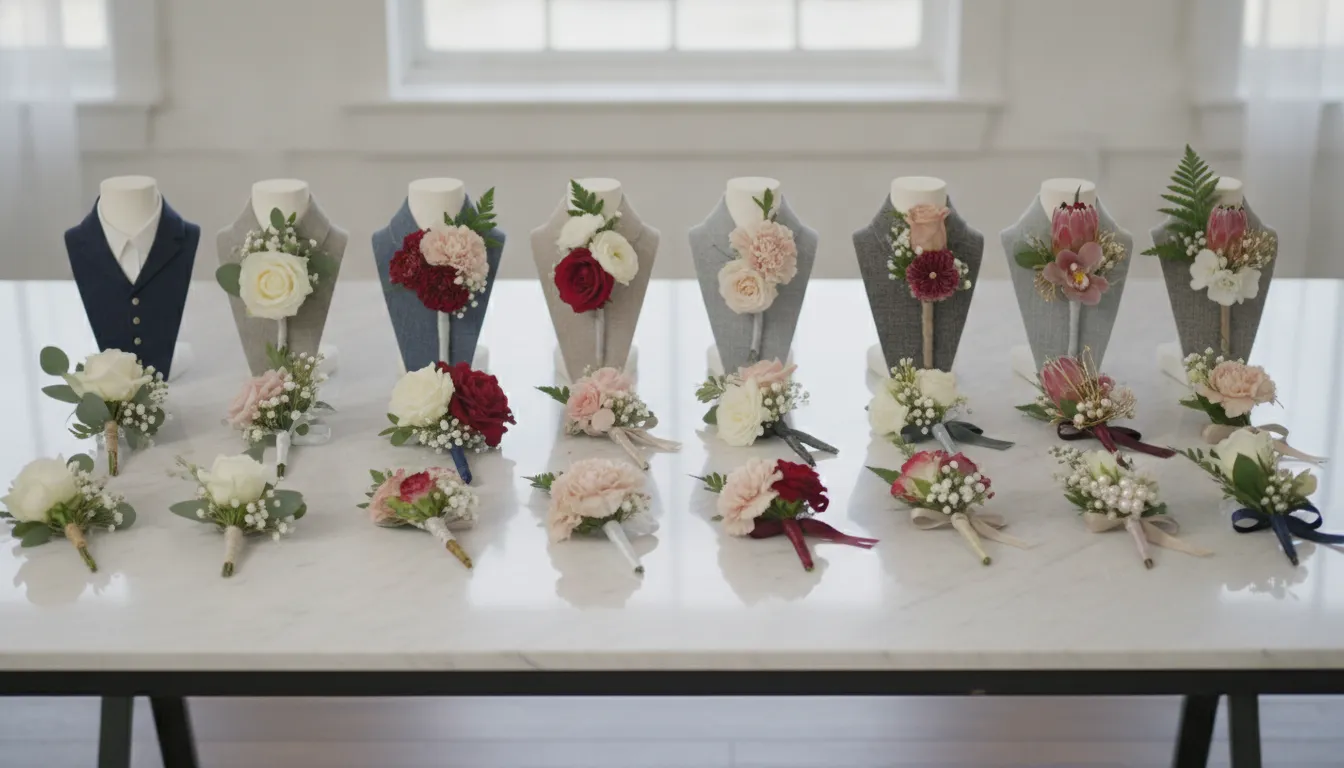
A prom corsage or boutonniere is a small accessory, but it can make a formal outfit feel complete. The best design reflects the wearer’s personality while staying secure, lightweight, and easy to wear. Soft pastel flowers can create a romantic look, jewel tones can add contrast, and neutral blooms can complement almost any outfit. Ribbons, pearls, charms, greenery, and dried accents offer simple ways to add personal details. If you are searching for corsage and boutonniere ideas for prom, this guide shares practical inspiration for choosing flowers, matching outfits, managing costs, and ordering from a local florist.
Key Takeaways
- Choose a polished, wearable design: Pair one standout flower with light greenery and a comfortable wristband, pin, ring, or bracelet attachment.
- Coordinate flowers with the full outfit: Share clothing colors, accessories, inspiration photos, and budget details with your florist to create a balanced corsage or boutonniere.
- Order early and protect the arrangement: Place custom orders two to three weeks before prom, then keep the flowers cool, secure, and away from heat until the event.
Simple, Trendy, and Budget-Friendly Prom Flowers
Prom flowers can look polished and personal without being oversized or packed with expensive details. A compact corsage or boutonniere can complement an outfit, photograph beautifully, and remain comfortable through dinner, pictures, and dancing. The best design often includes one focal flower, a coordinating accent, and a ribbon that ties everything together.
Start by considering the outfit color, the overall style, and how the flowers will be worn. A detailed dress may pair best with a simple wrist corsage, while a classic suit can support a more colorful boutonniere. If you are ordering flowers for someone in Salt Lake City, Portland, or the Seattle-Tacoma area, share the event date and color preferences with a local florist. Your florist can recommend seasonal blooms and available alternatives that fit your budget.
You can also make the flowers feel more personal with small details, such as a favorite color, a meaningful charm, or ribbon in school colors. The ideas below make it easier to create a memorable prom look without paying for an elaborate arrangement.
Choose simple wrist corsages and pin-on boutonnieres
Wrist corsages remain a popular prom choice because they leave both hands free and are easy to wear. A compact design with one focal flower, two or three smaller blooms, and a coordinating ribbon can look finished without feeling heavy. Choose a comfortable wristband that stays secure during photos and dancing.
A pin-on boutonniere offers a classic option for a suit or tuxedo. One rose, carnation, orchid, or spray rose with a small amount of greenery can create a clean, formal look. Neutral ribbon works with many outfits, while a ribbon in a dress or school color adds personality. Before ordering, review this prom flower guide for ideas about wrist corsages and pin-on designs.
Pair matching corsages and boutonnieres
Matching flowers can create a coordinated look, especially when two people are attending prom together. The corsage and boutonniere do not need to be identical. A corsage may include several blooms, while the boutonniere uses one of those flowers with a smaller accent and a little greenery.
For example, pair a blush rose corsage with a single blush rose boutonniere. A deep purple corsage could coordinate with a boutonniere featuring the same flower and a neutral ribbon. Share both outfits’ colors with your florist so the designs feel connected without appearing overly formal. This corsage and boutonniere guide includes additional suggestions for creating coordinated arrangements.
Feature statement flowers with minimal greenery
One distinctive flower can make a corsage or boutonniere feel special. A large rose, orchid, or ranunculus with a small amount of greenery creates a neat, modern design. This style works particularly well with a detailed dress, patterned jacket, or other outfit that already has plenty of visual interest.
Ask your florist to keep the arrangement compact and let the main bloom take center stage. Satin ribbon, a pearl, or a small metallic accent can add finish without covering the flower. You can also choose an unexpected color, such as coral, lavender, or sunny yellow. These DIY corsage ideas show how small decorative touches can personalize a simple design.
Save with carnations, daisies, mini roses, and seasonal blooms
A smaller price tag does not mean your prom flowers need to look plain. Carnations have full, ruffled petals and are available in many colors. Daisies create a fresh, cheerful appearance, while mini roses provide a classic shape in a compact arrangement. Seasonal blooms can also be a practical choice because florists may be able to source them more easily.
Rather than requesting one specific flower, tell your florist the color and budget you have in mind. They can recommend similar blooms that are attractive, sturdy, and available for your event date. A small carnation corsage with a beautiful ribbon may be more memorable than a larger arrangement that feels uncomfortable. See this prom flowers guide for more ideas about popular prom flowers.
Add ribbons, charms, pearls, and personal details
Small accessories can make a simple arrangement feel one of a kind. Choose ribbon that matches the outfit, school colors, or the flowers. Pearls create a classic finish, while rhinestones and metallic accents suit a more glamorous look. A small charm can represent a hobby, favorite symbol, or meaningful memory.
Keep comfort in mind when adding decorative pieces. Heavy charms may pull on a wrist corsage, and long ribbons can become inconvenient while dancing. Tell your florist which details matter most so they can secure them properly and keep the design balanced. This budget corsage tutorial offers ideas for combining flowers, ribbon, and decorative accents at home.
What Are the Latest Prom Flower Trends?
Prom flowers have moved beyond traditional red roses and basic wrist corsages. Current designs reflect personal style, outfit colors, and the overall mood of the event. Some people prefer soft, romantic blooms, while others choose rich colors, unusual textures, or a clean, minimalist arrangement. The best choice is one that feels comfortable and looks intentional with the rest of the outfit.
Color is an easy place to start. Pastels create a soft, polished look, while jewel tones add drama and photograph beautifully. Monochromatic arrangements feel modern, and neutral flowers work well with suits, tuxedos, patterned dresses, and metallic accessories. Roses, orchids, carnations, and other classic flowers can fit each style when paired with the right ribbon and greenery. This prom flower guide offers more ideas for choosing blooms by color and personal preference.
Details can also make a familiar corsage or boutonniere feel more personal. Dried accents, pearls, metallic ribbon, and unexpected shapes add interest without requiring a larger arrangement. If you’re ordering prom flowers in Salt Lake City, Portland, or the Seattle-Tacoma area, share your outfit colors and inspiration photos with your florist. These details help create flowers that coordinate with the outfit and hold up through photos, dinner, and dancing.
Try pastel, jewel-tone, monochromatic, or neutral palettes
Color sets the mood for a corsage or boutonniere. Blush, lavender, peach, and pale blue create a soft pastel look that pairs well with romantic dresses and light-colored suits. Jewel tones, such as burgundy, emerald, plum, and navy, feel richer and stand out in evening photos.
A monochromatic design uses different shades of one color, such as pale pink roses with darker pink accents. This creates a polished look without feeling overly formal. Neutral palettes, including white, cream, tan, and soft green, offer a versatile option for patterned outfits or black tuxedos. Compare the flowers with the outfit in natural light to make sure the colors complement each other without blending together.
Add dried flowers, preserved accents, greenery, or texture
Texture gives prom flowers more personality. Dried grasses, preserved leaves, baby’s breath, eucalyptus, and small filler flowers can make a corsage feel fuller without requiring more large blooms. These accents also add visual interest when the main flowers have a simple shape or color.
Dried elements work especially well with neutral, bohemian, rustic, or vintage-inspired outfits. For a polished design, combine one or two preserved accents with fresh roses, carnations, orchids, or spray roses. Avoid using too many textures at once, particularly if the outfit already includes sequins, lace, or beading. A florist can balance the materials so the arrangement looks detailed without becoming bulky. For more inspiration, explore these DIY corsage ideas, which include pearls, beads, and painted accents.
Choose ring corsages, floral bracelets, or other wearable styles
A wrist corsage is a classic choice, but it is not the only wearable option. Ring corsages attach a small floral arrangement to a statement ring, creating a delicate design that leaves most of the wrist uncovered. Floral bracelets offer another alternative and can include a narrow band, beads, ribbon, or a combination of materials.
Comfort matters when choosing a wearable style. The arrangement should stay secure while you walk, dance, and take photos. A ring corsage may suit someone who prefers a smaller design, while a floral bracelet provides more room for greenery and decorative details. Check the fit before prom, particularly if the design includes a structured band or adjustable closure. This guide to ring corsages can help you compare this style with a traditional wrist corsage.
Add bold ribbons, metallic details, or minimalist designs
Small finishing touches can change the entire look of prom flowers. A wide satin ribbon creates a romantic, formal feel, while velvet adds depth and pairs well with jewel-tone blooms. Thin ribbon, soft twine, or a simple wrap keeps the design understated. Choose a ribbon color that complements the outfit instead of matching it exactly.
Metallic details, such as gold wire, silver ribbon, pearl pins, or small charms, add polish without requiring a larger arrangement. For a minimalist style, use one statement flower with a few leaves and a neat ribbon wrap. This approach works particularly well with modern dresses, tailored suits, and outfits that already include bold jewelry. Keep decorative accents secure and lightweight so they do not pull on the wrist or damage delicate fabric.
Coordinate corsages and boutonnieres without making them identical
Corsages and boutonnieres should look connected, but they do not need to be exact copies. Start with one shared element, such as a flower, ribbon color, greenery, or metallic accent. For example, a corsage might feature peach roses and eucalyptus, while the boutonniere uses one peach spray rose with a small eucalyptus leaf.
You can also coordinate through color balance. If the corsage is full and detailed, keep the boutonniere smaller and cleaner. If the corsage includes a bold jewel tone, repeat that color in a ribbon or single bloom on the boutonniere. The designs should suit the clothing, too. A pin-on boutonniere must sit comfortably on the lapel, while a corsage should fit securely without catching on sleeves or jewelry. Sharing photos of both outfits helps your florist create a coordinated pair with distinct designs.
How Do You Match Prom Flowers to Your Outfit?
Your prom flowers should feel like part of your outfit, not an afterthought. Start with the dress, suit, or tuxedo, then choose blooms, ribbon, and accents that support the overall look. If you are ordering custom flowers, share a photo of your outfit or bring a fabric swatch so your florist can help you compare colors and textures.
Keep the full evening in mind, too. Your corsage or boutonniere should look polished while staying comfortable through photos, dinner, and dancing. These ideas can help you choose prom flowers that complement your outfit and reflect your personal style.
Complement dress, suit, or tuxedo colors
Begin with the main color of your outfit. You do not have to match your flowers exactly. Choosing a shade from the same color family often creates a more natural, layered look. For example, blush roses can soften a burgundy dress, while lavender flowers can complement a navy suit.
Neutral blooms are especially useful when an outfit has a vivid color, sequins, lace, or other detailed embellishments. White, ivory, cream, and pale pink flowers create contrast without competing with the clothing. If your outfit is black, white, gray, beige, or another neutral shade, you have more flexibility to add color through your flowers or ribbon.
Roses are a dependable choice because they come in many shades and work well in both corsages and boutonnieres. You can explore classic prom flower options before asking your local florist which varieties and colors are available.
Choose contrast without creating a clash
Contrast can help prom flowers stand out in photos, but too many competing colors may make the outfit look busy. If your dress, suit, or tuxedo is bright, choose flowers in a softer shade. White, cream, blush, and pale peach blooms can balance royal blue, emerald, red, or purple clothing.
For a neutral outfit, consider a more noticeable flower color, such as burgundy, dusty blue, plum, or deep pink. Choose one main color and one or two supporting shades rather than combining every color in your accessories. This keeps the arrangement intentional and easy to coordinate with your date’s flowers.
You can also create contrast through texture instead of color. A simple rose paired with baby’s breath, greenery, or a small dried accent may provide enough visual interest. Prom flower color guidance recommends pairing bold clothing with neutral or softer flowers so both parts of the look have room to stand out.
Coordinate ribbons, greenery, metals, and accessories
Small details can connect your flowers to the rest of your outfit. Choose ribbon that picks up a color from the dress, tie, pocket square, shoes, or jewelry. Satin ribbon can echo a bow tie or smooth dress fabric, while velvet or lace ribbon may suit a formal or vintage-inspired outfit.
Metallic accents should also work with the accessories you plan to wear. Gold details pair naturally with warm-toned flowers, while silver or pearl accents complement cool colors and white blooms. You do not need to match every detail exactly, but keeping the finishes consistent creates a more intentional appearance.
Greenery adds texture without introducing another bold color. Eucalyptus, ruscus, and delicate leaves can frame the flowers and give the design a finished look. Couples who want coordinated flowers can match ribbon and accent colors while choosing different arrangements for each person.
Match formal, romantic, vintage, or modern styles
Your flower design should reflect the mood of your outfit. For a formal look, choose classic roses, orchids, or calla lilies with clean lines and minimal greenery. A romantic style works well with blush roses, spray roses, soft ribbons, and delicate filler flowers.
Vintage-inspired outfits pair nicely with carnations, muted colors, dried accents, lace ribbon, or antique-style charms. If your outfit has a modern silhouette, consider a compact arrangement with one statement flower, crisp greenery, or a monochromatic color palette.
Matching does not mean choosing identical flowers for everyone. A wrist corsage, boutonniere, and handheld bouquet can share one flower, color, or ribbon while keeping their own shape. Coordinated designs are a popular choice for couples who want their flowers to look connected in photos without appearing overly uniform. See these prom corsage and boutonniere ideas for inspiration.
Choose a comfortable wrist, pin-on, or ring design
The best design is one you can wear comfortably for several hours. Wrist corsages are traditional and easy to display in photos, but the band should fit securely without feeling tight. A florist can adjust the attachment and add a soft backing to help prevent irritation.
Pin-on boutonnieres are a classic choice for suit jackets and tuxedos. They should sit securely on the left lapel without pulling the fabric or getting in the way of a pocket square. If you prefer something less traditional, a ring corsage or floral bracelet creates a wearable look while leaving your hands free.
Think about how you plan to move, dance, and carry personal items before choosing a style. If you are unsure, ask your florist to recommend an attachment based on your outfit’s fabric, sleeve length, and accessories. You can also compare different corsage styles before placing your order.
Which Flowers and Materials Work Best for Prom?
The best prom flowers look beautiful in photos, feel comfortable to wear, and hold up from the first picture to the last dance. Your choices will depend on the outfit, event style, weather, travel time, and how long the flowers need to stay fresh.
Roses, carnations, orchids, lilies, and alstroemeria are all popular options for corsages and boutonnieres. Greenery, filler flowers, ribbons, and decorative accents can add texture and personality without making the design bulky. Before placing an order, consider how the flowers will be worn, transported, stored, and photographed.
Choose roses, spray roses, carnations, orchids, lilies, or alstroemeria
Roses are a classic choice because they come in many colors and complement almost any formal style. A single rose creates a simple boutonniere, while spray roses add a softer, fuller look to a corsage. Carnations are also practical, with ruffled petals, sturdy stems, and a wide range of shades.
Orchids bring an elegant, modern feel to corsages and boutonnieres. Their distinctive shape helps a small arrangement stand out, and their structured petals can hold up well throughout the evening. Lilies and alstroemeria add color and texture when you want something less traditional than a rose.
Consider the size of each bloom before choosing a design. Large flowers may need extra support, while smaller blooms work well for petite boutonnieres and delicate wrist corsages. Browse this guide to popular prom flowers for more inspiration.
Add baby’s breath, greenery, filler flowers, or affordable accents
Filler flowers can make a corsage or boutonniere look full without requiring several large blooms. Baby’s breath adds an airy appearance and pairs well with roses, carnations, and pastel colors. Seeded eucalyptus brings soft greenery and texture, while hypericum berries add small pops of color.
Greenery also helps connect the blooms to the ribbon or wristband. Eucalyptus, ruscus, fern, and leafy stems can frame the main flower without covering it. These accents give the design dimension while keeping it balanced and wearable.
If you are working with a smaller budget, ask your florist which filler flowers and greenery are in season. Affordable accents can create a polished look without making the arrangement feel crowded. See how baby’s breath, eucalyptus, and hypericum berries complement prom flowers.
Select flowers that withstand photos, dancing, and travel
Prom flowers may spend hours in a car, rest against clothing, move through a busy venue, and stay wearable through dancing. Choose blooms with firm petals and sturdy stems, and avoid delicate flowers that bruise easily or lose their shape quickly.
Orchids are a strong option for corsages and boutonnieres because their structured petals can hold their appearance for hours. Roses and carnations are also dependable choices when they are hydrated and stored properly. Your florist can suggest flowers that suit the season, venue, and expected weather.
Ask for care instructions when you pick up or receive the flowers. Fresh designs generally need a cool location away from direct sunlight, heat, and strong drafts. This guide offers more advice on prom flowers that last.
Use comfortable wristbands, pins, wire, and floral tape
The attachment matters as much as the flowers. A wrist corsage should stay secure without feeling tight, rubbing the skin, or interfering with a watch or bracelet. Satin ribbon, elastic, decorative cuffs, and other wristbands can work well. Measure the wrist carefully and tell your florist whether the wearer prefers a snug or relaxed fit.
Boutonnieres usually attach with pins, but the design should be light enough that it does not pull on the fabric. Floral wire and tape help support the stems and keep the arrangement compact. A florist can also add a secure backing to make the boutonniere easier to attach.
For a jewelry-inspired design, consider a cuff-style corsage with pearls, a charm, or metallic details. These additions can make the flowers feel personal without adding unnecessary weight. California Grown shares helpful ideas for corsage cuffs and boutonniere supplies.
Compare fresh, dried, and preserved flowers
Fresh flowers offer natural color, fragrance, and softness, making them the traditional choice for prom. They work especially well for classic rose corsages and boutonnieres designed to coordinate with an outfit. Fresh flowers do require careful storage and gentle handling before the event.
Dried flowers create an earthy, vintage, or rustic look and do not need water. However, some dried petals and stems can be brittle, so they may not be the best choice for arrangements that will be handled often. Preserved flowers offer a fresh-looking appearance for longer, but they can cost more and still require careful handling.
Think about the outfit, event style, schedule, and whether you want to keep the flowers afterward. Fresh, dried, and preserved designs can all feel special when the materials match the wearer’s style. Explore these modern corsage styles and floral combinations before choosing your design.
How Much Do Prom Corsages and Boutonnieres Cost?
Prom flowers can fit a wide range of budgets. Whether you want a classic rose boutonniere, a wrist corsage with coordinating blooms, or a custom design with personal details, the final price depends on several factors. Flower type, arrangement size, ribbons, wristbands, and delivery all play a role.
A simple boutonniere usually costs less than a larger corsage, but matching sets can make coordinating easier and may offer good value. Before ordering, ask your florist which flowers are available, what the arrangement includes, and whether additional service fees apply.
Review typical prices for boutonnieres, corsages, and sets
A boutonniere often costs about $15 to $80, depending on the flowers, greenery, ribbon, and overall design. Simple styles with one bloom typically cost less than arrangements with multiple flowers, layered greenery, or decorative accents. Roses, carnations, spray roses, and baby’s breath are popular choices for affordable boutonnieres.
Wrist corsages commonly start around $60 and may cost more when they include premium flowers, several blooms, or a decorative wristband. A coordinated boutonniere and wrist corsage set may start around $80. Browse these prom corsage and boutonniere examples to compare styles and prices before speaking with your florist.
Compare budget, standard, and premium designs
Budget-friendly prom flowers usually feature one or two sturdy blooms, a small amount of greenery, and a simple ribbon. A single rose, carnation, daisy, or spray rose can look polished while keeping the arrangement understated. This style works well when you want the flowers to coordinate with an outfit without becoming the main focal point.
Standard designs may combine several flower varieties, colors, and textures. Premium arrangements often include orchids, lilies, ranunculus, specialty roses, detailed wristbands, or layered ribbons. Reviewing different boutonniere and corsage designs can help you see how flower choices and decorative details affect the total price.
See how flowers, size, ribbons, and accessories affect cost
The flowers you select have a major effect on the price. Common seasonal blooms are often more affordable, while specialty flowers, unusual colors, and hard-to-source varieties may cost more. The number of blooms matters, too. A compact boutonniere requires fewer flowers than a full wrist corsage with greenery and filler flowers.
Ribbons, pearls, charms, rhinestones, metallic accents, and decorative wristbands can add to the total. They also provide an easy way to personalize a simpler design. Share a photo of the dress, suit, or tuxedo with your florist so they can recommend colors and materials that coordinate with it. This prom flower planning guide offers additional ideas for choosing flowers and accessories.
Save with seasonal flowers, simple designs, and coordinated orders
Seasonal flowers can help you manage costs while still creating a memorable arrangement. Ask your florist which blooms are readily available around your prom date, then choose a general color palette instead of requesting one exact flower. This gives the designer more flexibility to suggest an affordable alternative if availability changes.
You can also save by choosing a compact arrangement, limiting decorative extras, and ordering a matching corsage and boutonniere together. Matching designs do not have to be identical. Using the same ribbon, flower color, or greenery creates a coordinated look while allowing each piece to suit its wearer. Sharing an outfit photo can also help your florist recommend details that add style without unnecessary expense. These prom flower cost-saving tips can help you plan your order.
Confirm delivery, pickup, rush, and customization fees
Ask about additional fees before placing your order. Delivery charges may vary by location, while pickup requires you to collect the flowers at a scheduled time. A rush fee may apply if you order close to prom or request flowers that need to be specially sourced.
Custom colors, unusual flower varieties, personalized charms, and specialty wristbands may also affect the final price. For prom delivery in the Salt Lake City, Portland, or Seattle-Tacoma area, confirm the service area and delivery window with your florist. When ordering, review the arrangement style, attachment type, pickup or delivery date, and final total. Ordering one to two weeks ahead gives the florist more time to source flowers and prepare your design.
Where Can You Buy Prom Corsages and Boutonnieres?
You can buy prom corsages and boutonnieres from a local florist, an online flower shop, a grocery store, or a craft retailer. Each option has its advantages, but a local florist is often the most reliable choice when you want wearable flowers that coordinate with an outfit and arrive ready for the event.
Florists can help you choose flowers, ribbons, colors, and attachment styles that suit the occasion. They can also recommend blooms that hold up well through photos, dinner, dancing, and travel. If you are ordering from another city for a child, partner, friend, or family member, delivery makes the process even easier.
For prom flowers in the Salt Lake City, Portland, or Seattle-Tacoma areas, our local florists offer corsages, boutonnieres, flowers, plants, and gifts for same-day delivery. You can select a ready-made design for a convenient option or contact the shop to discuss a custom arrangement. Before ordering, review the delivery area, product details, and timing requirements, especially during the busy prom and homecoming season.
Order from our local florist for Salt Lake City, Portland, or Seattle-Tacoma delivery
A local florist can create or recommend prom flowers with your event, outfit, and delivery location in mind. This is helpful when you are ordering for someone who lives in another city or when you want the flowers delivered directly to a home, school, venue, or hotel.
Our florists serve the greater Salt Lake City, Portland, and Seattle-Tacoma areas with flowers and gifts for special occasions. Browse available prom corsage and boutonniere designs to compare styles, colors, and coordinated options. Confirm the delivery address and requested date before placing your order.
Explore custom flowers, matching designs, and same-day delivery
Ready-made flowers are convenient, but a custom order gives you more control over the final look. Ask whether the florist can match a dress, suit, or tuxedo, coordinate a corsage with a boutonniere, or use a particular flower or ribbon color. Matching designs can share blooms and accents without looking exactly alike.
If you want an unusual flower or a specific color, contact the florist as early as possible. Some varieties require advance ordering, and availability can change during prom season. Florists such as Rine’s Florist encourage customers to discuss special requests directly. Same-day delivery may be available for select designs, while custom arrangements typically need more preparation time.
Compare florist pickup, delivery, online, and grocery-store options
Local florists often offer the widest selection of wearable flowers, along with online ordering, phone support, pickup, and delivery. An online flower retailer may be convenient, but check the delivery window, design details, and customization options before purchasing. Product photos can show the general style without guaranteeing the exact flowers or color balance.
Grocery stores and craft retailers may have affordable flowers, particularly if you plan to make the arrangements yourself. However, they may not offer wrist corsages, pin-on boutonnieres, professional attachment, or matching sets. Compare the complete cost, including supplies, delivery, and last-minute changes. Looking at coordinated boutonnieres and corsages can help you decide whether ordering both pieces together makes sense.
Check availability, personalization, payment, and cancellation policies
Before you order, confirm whether the product photo represents an exact arrangement or a general design. Fresh flowers can vary with seasonal availability, but a florist should be able to maintain the intended color palette, size, and overall style. Ask whether the order includes a wristband, pin, ribbon, floral accents, or other attachment materials.
Review delivery fees, pickup times, payment requirements, rush-order charges, and cancellation deadlines. These policies are especially important when prom is only a few days away. If you are ordering for another person, double-check the recipient’s name, address, phone number, school or venue information, and delivery instructions before submitting payment.
Share outfit colors, inspiration photos, and event details
Give the florist clear details about the event and the person wearing the flowers. Share the dress, suit, or tuxedo color, the prom date, and the requested delivery or pickup time. An inspiration photo can also show the preferred flower types, shape, ribbon, and level of detail more clearly than a description alone.
If you are matching a partner’s flowers, share both outfits so the corsage and boutonniere coordinate without being identical. Neutral blooms work with many colors, while contrasting flowers create a more noticeable look. You can also coordinate small details, such as ribbons, pearls, metallic accents, or greenery. This prom flower guide offers additional ideas for pairing flowers with formalwear. Tell the florist whether the design should be worn on the wrist, pinned to clothing, or attached as a ring so it feels secure throughout the evening.
When Should You Order Prom Flowers?
Ordering prom flowers early gives you more choices and gives your florist time to create a design that suits your outfit. Corsages and boutonnieres may require specific flower colors, ribbon details, wrist measurements, or attachment styles, so waiting until the last minute can limit your options.
For the smoothest experience, start planning several weeks before prom. Share your outfit details, inspiration photos, and event date with your florist. Then, as prom gets closer, confirm the pickup or delivery plan and review the final design details.
Place custom orders two to three weeks before prom
For most corsages and boutonnieres, place your order about two to three weeks before prom. This gives your florist time to source the flowers, order special supplies, and plan a design around your preferred colors and style. Some florists recommend ordering seven to 14 days before the event, especially when you need a custom arrangement.
Order sooner if prom falls on a busy weekend or you need several coordinated pieces. Florists serving Salt Lake City, Portland, and the Seattle-Tacoma area may receive many prom orders at once. Calling or visiting the flower shop also gives you a chance to discuss your ideas and learn which blooms will be available.
Order earlier for specific flowers, unusual colors, or matching sets
Your florist may need extra time to source an unusual flower color or variety. This matters if you want a particular orchid shade, a less common rose color, or blooms that closely match a dress, suit, tuxedo, or school colors. Ordering early also leaves time to choose an attractive alternative if your first choice is unavailable.
Matching sets benefit from advance planning, too. Your florist can coordinate the flowers, ribbon, greenery, and accents so the corsage and boutonniere feel connected without looking identical. Ask which flowers will hold up through photos, dinner, dancing, and travel. This prom flower guide offers helpful tips for considering color and durability.
Confirm flowers, colors, wrist measurements, and attachment styles
When placing your order, provide more than the event date. Share the outfit color, fabric, neckline, jewelry, and overall style. A photo of the dress, suit, or tuxedo can help your florist coordinate the flowers more accurately. You can also bring an inspiration photo, while staying open to small changes based on flower availability.
For a wrist corsage, confirm the wearer’s wrist measurement and ask whether the design will use an adjustable band, elastic, ribbon, or bracelet. If the corsage will attach to a handbag or clothing, mention that when ordering. Boutonnieres may use a pin, magnet, or another attachment method. Sharing outfit details with your florist can make color and style decisions easier.
Schedule pickup or delivery for the day before or day of prom
Prom flowers should arrive close to the event so they look fresh for photos and the dance. Depending on the flower type and design, schedule pickup or delivery for the day before prom or the day of prom. A day-before pickup can make prom day less hectic, while same-day delivery keeps the flowers as fresh as possible.
Ask your florist how to store the arrangements after pickup. Fresh corsages and boutonnieres generally need a cool, protected spot away from direct sunlight, heat, and pressure. Avoid freezing them or placing them where condensation could damage the petals. For delivery, provide the complete address, a preferred time window, and a phone number for the recipient. Review this prom flower delivery guidance when planning your order.
Reconfirm delivery details and design expectations
A few days before prom, contact the florist to confirm the order. Review the recipient’s name, delivery address, event date, pickup or delivery time, and phone number. If someone else will receive the flowers, make sure that person knows when to expect them and where they should be left if nobody answers the door.
This is also a good time to confirm the design details. Ask about the flower types, colors, ribbon, greenery, wristband, and attachment method. If you requested a custom look, ask whether the florist needs any additional information. The Society of American Florists’ prom guidance recommends discussing design options and reviewing examples with your florist. A quick confirmation helps ensure the finished flowers suit the outfit and arrive when they are needed.
How Can You Make Prom Flowers at Home?
Making a prom corsage or boutonniere at home can add a personal touch while helping you manage your flower budget. The project becomes much easier when you choose a small design, gather your supplies first, and select flowers that can handle photos, travel, and dancing.
A wrist corsage usually includes a few blooms, greenery, floral tape, ribbon, and a comfortable wristband. A boutonniere typically needs one focal flower, greenery, floral wire, a pin, and ribbon or tape to cover the stems. Plan to assemble the flowers close to prom, then store them carefully until it is time to get dressed.
Before you begin, decide whether you have enough time and the right materials for the project. DIY flowers can work well for a simple arrangement, but a local florist may be a better choice if you want a detailed design, matching pieces, or a guaranteed delivery time.
Gather supplies for a simple corsage or boutonniere
Start with sharp floral scissors, floral tape, thin floral wire, ribbon, greenery, and either a corsage wristband or boutonniere pin. You may also want pearl pins, a charm, decorative wire, or small accents that reflect the wearer’s style. Keep a shallow container of water nearby for fresh stems, but avoid soaking a finished arrangement.
Choose the design before cutting the stems. A simple corsage can feature one larger bloom surrounded by smaller flowers and leaves. A boutonniere often looks polished with one focal flower and a few supporting accents. For a corsage, layer the greenery first, then add the blooms so the arrangement looks attractive from multiple angles. Everyday Best’s corsage and boutonniere guide provides useful ideas for building the arrangement.
Choose sturdy, affordable flowers and coordinating materials
Roses, spray roses, carnations, orchids, lilies, and alstroemeria are popular choices for prom flowers. If you are working with a smaller budget, consider carnations, daisies, baby’s breath, or seasonal blooms. Mini roses and carnations come in many colors and can create a full design without requiring a large number of stems.
Choose colors that complement the outfit rather than matching it exactly. Soft pink flowers can pair beautifully with navy, while white blooms work with almost any suit, tuxedo, or dress. Try limiting the design to one or two flower varieties, then add greenery or filler flowers for texture. Whole Blossoms’ prom flower guide offers additional suggestions for flower types and color palettes.
Secure flowers with wire, tape, ribbon, and attachments
Remove leaves from the lower part of each stem and trim the ends at an angle. Arrange the flowers in your chosen shape before wrapping anything. For a boutonniere, use floral wire around delicate stems when they need extra support. Then wrap the stems with floral tape, pulling it gently as you go so it grips and seals.
For a corsage, secure the arrangement to a wristband with floral tape, wire, or a ready-made corsage base. Add the ribbon after the flowers are firmly attached, making sure the bow or knot feels comfortable against the wrist. Pin a boutonniere through the thicker part of the jacket lapel instead of pushing the pin only through the flower stem. Purchasing similar flowers in bulk can make matching pieces easier and reduce leftover supplies, as Fifty Flowers explains in its DIY tutorial.
Estimate DIY costs and prevent wilting or damage
Before shopping, list the costs of flowers, greenery, ribbon, floral tape, wire, pins, and wristbands. A small arrangement may cost less than a florist-made design, especially when you use affordable flowers or create several matching pieces. However, tools and extra materials can reduce the savings if you are making only one corsage or boutonniere, so compare the full DIY cost with a florist’s quote.
Buy fresh flowers one or two days before prom and place them in clean water in a cool room. Keep them away from direct sunlight, heaters, fruit, and drafts. After assembling the pieces, place them in a ventilated container with a damp paper towel nearby, making sure the flowers do not rest directly on it. Avoid crushing the blooms, and never leave fresh flowers in a hot car. This budget corsage tutorial shows how a small, thoughtful design can keep material costs manageable.
Choose a florist when professional design makes more sense
DIY flowers are a practical choice when you want a simple arrangement and have time to assemble it carefully. A florist may be the better option when you need matching corsages and boutonnieres, a specific flower or color, or flowers that will remain secure throughout a long evening. Florists can also condition the blooms, support delicate stems, and recommend flowers that suit the season.
When placing an order, share the outfit colors, preferred flowers, wrist measurement, attachment style, and any inspiration photos. A classic white rose corsage and boutonniere offer a clean look that pairs well with many color palettes, as Flower Ville Gifts’ corsage ideas illustrate. For families and couples in Salt Lake City, Portland, and Seattle-Tacoma, a local florist can also coordinate pickup or same-day delivery for last-minute arrangements.
How Do You Keep Prom Flowers Fresh?
Prom flowers stay fresh longer when you protect them from heat, pressure, and rough handling. Before the event, keep corsages and boutonnieres in their original packaging, store them in a cool location, and limit how often you handle them. On prom day, put the flowers on after getting dressed and keep them away from perfume, hairspray, makeup, and direct sunlight.
Ask your florist about care instructions when you place your order. Roses, orchids, carnations, and greenery have different levels of durability, and your florist can recommend varieties that suit a long evening of photos, dinner, dancing, and travel. These simple steps will help your flowers look polished from pickup or delivery through the final dance.
Store corsages and boutonnieres properly before prom
Leave your corsage or boutonniere in the box or container provided by your florist until you are ready to wear it. The packaging protects fragile petals, ribbons, pins, and greenery from being bent or crushed. Place the box on a level surface away from busy areas, pets, children, and anything that could fall on it.
If the arrangement has a water source, keep it in place until you get dressed. Avoid misting the flowers, especially if the arrangement includes ribbons, pearls, paper details, or other decorations. When selecting your flowers, ask about varieties that can handle several hours of wear. Durable blooms with rich color can help a corsage or boutonniere stay attractive throughout the evening.
Keep fresh flowers cool without freezing or crushing them
Store fresh flowers in a cool area away from windows, heaters, warm appliances, and direct sunlight. A refrigerator may work for some arrangements, but ask your florist first. If you do refrigerate the flowers, keep them away from fruit, which can release gases that cause flowers to age faster. Leave plenty of space around the arrangement so petals and greenery do not press against shelves or containers.
Never freeze a corsage or boutonniere. Very cold temperatures can damage petals, leaves, and delicate decorations, while condensation can leave ribbons damp. Orchids can be a practical choice for prom because their sturdy blooms often hold their appearance well with proper care. This prom flower guide explains why orchids are a popular option for corsages and boutonnieres.
Transport and pin flowers without damaging delicate blooms
Carry the flowers in their box, keeping the container flat and secure. Do not hold a boutonniere by its petals, stems, or ribbon, and avoid placing either arrangement loose in a purse, backpack, or crowded vehicle. During car travel, keep the box out of direct sunlight and away from heaters or air-conditioning vents.
When attaching a boutonniere, place it on the wearer’s left lapel with the flowers facing outward. Insert the pin through the thicker part of the stems, then check that the point is covered by the fabric. Fasten a wrist corsage snugly, but leave enough room for comfortable movement. Bending the corsage prongs upward can help keep the flowers secure and prevent the piece from catching on clothing, as this corsage and boutonniere guide recommends.
Wear corsages and boutonnieres securely and comfortably
Put on your flowers after you finish your hair, makeup, and outfit. This helps protect the petals from hairspray, perfume, lotion, and makeup. A wrist corsage should feel secure without pinching. Move your hand and wrist naturally to make sure the band does not slide, twist, or interfere with your plans for the evening.
A boutonniere should sit upright on the lapel without pulling at the fabric or poking the wearer. Check the arrangement in a mirror before leaving, especially if photos are scheduled soon after arrival. Lightweight designs are usually easier to wear for several hours. Corsages are often kept around three to four inches wide, giving the outfit a noticeable floral detail without making dancing or conversation uncomfortable, according to this guide to choosing prom flowers.
Dry flowers and create keepsakes after prom
After prom, remove the corsage from its wristband or the boutonniere from the lapel. Gently blot away excess moisture, then remove any damaged leaves or petals. For a simple drying method, hang the flowers upside down in a dry, dark, well-ventilated room. Keep them away from direct sunlight, which can fade the color, and leave them undisturbed until they are completely dry.
You can also press individual petals, save the ribbon, or arrange the dried blooms in a shadow box. Some flowers preserve their shape better than others, so ask your florist which method suits your arrangement. Keeping even a small part of the corsage or boutonniere can create a meaningful reminder of the evening. The history of prom corsages and boutonnieres shows how these flowers have long served as both accessories and sentimental keepsakes.
Related Articles
- The Ultimate Guide to Prom Bouquets and Boutonnieres: Trends, Tips, and Must-Know Facts
- DIY Prom Boutonnieres and Corsages
- Best Prom Flowers: Your Corsage & Boutonniere Guide
- How to Make a Corsage and Boutonniere
- All About Corsages & Boutonnieres: Ideas
Frequently Asked Questions
How far in advance should I order prom flowers? Place a custom order about two to three weeks before prom. Order earlier if you want a specific flower, unusual color, matching pieces, or several arrangements. A few days before the event, confirm the delivery address, pickup time, wrist measurement, and design details.
What is the most affordable prom flower option? A compact corsage or boutonniere with one or two sturdy blooms, simple greenery, and a basic ribbon is usually the most budget-friendly choice. Carnations, daisies, mini roses, baby’s breath, and seasonal flowers can offer an attractive look without the cost of specialty blooms.
How should prom flowers match an outfit? Use the outfit’s color, fabric, and overall style as your starting point. Flowers can match one detail, complement the color family, or provide gentle contrast. Sharing a photo of the dress, suit, or tuxedo with your florist makes it easier to choose suitable blooms, ribbon, and accents.
How do I keep a corsage or boutonniere fresh before prom? Keep the arrangement in its box or container in a cool place away from sunlight, heaters, pets, and heavy items. Avoid leaving it in a hot car or freezing it. Put the flowers on after finishing hair, makeup, perfume, and dressing to help protect the petals.
Where can I order prom flowers in Salt Lake City, Portland, or Seattle-Tacoma? A local florist can create corsages, boutonnieres, matching sets, and other wearable designs for pickup or delivery. Our third-generation florists serve the greater Salt Lake City, Portland, and Seattle-Tacoma areas with flowers, plants, and gifts. Check the delivery area and availability when ordering, especially for custom designs or same-day service.

