
How to Choose an Event Florist in Park City
Find out what to look for in an event florist in Park City, from floral styles and venue fit to proposals, pricing, and questions to ask before booking.
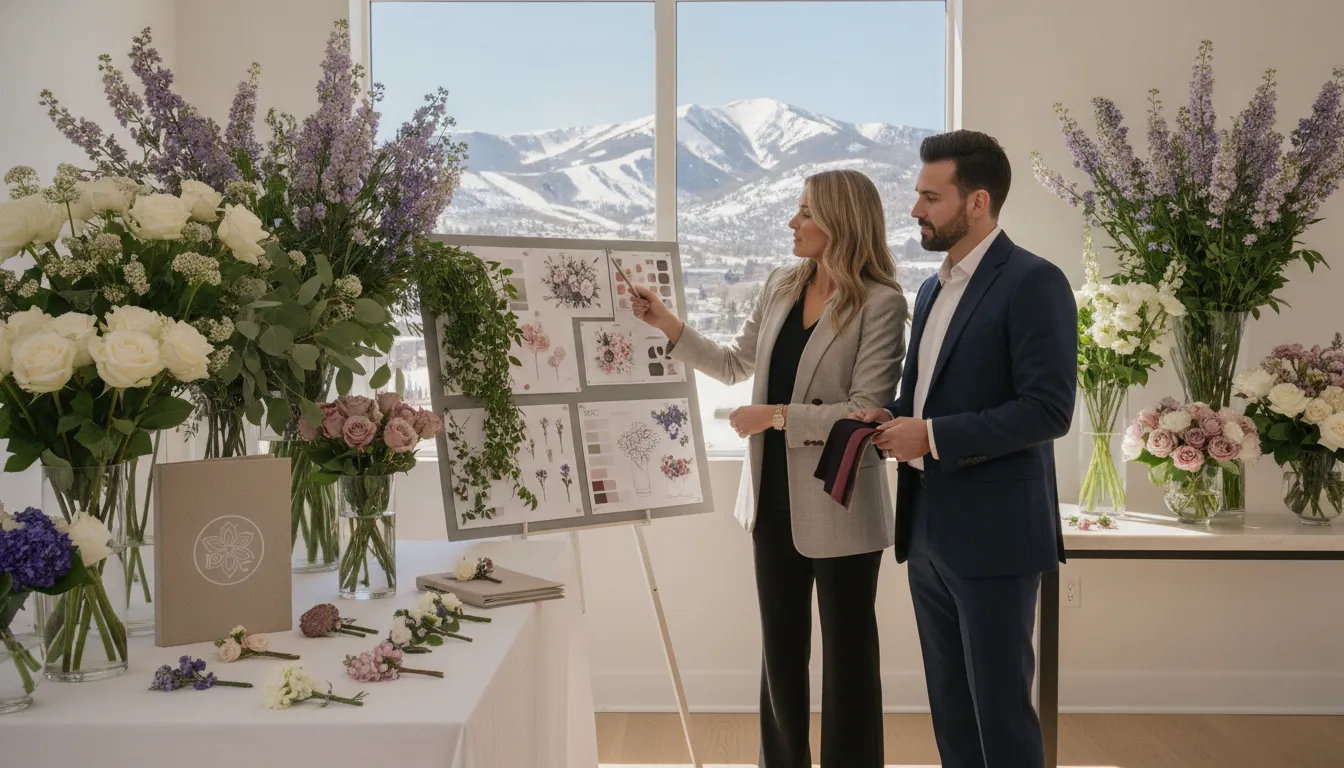
Flowers can shape the feeling of an entire event. They welcome guests, define ceremony spaces, soften reception tables, and create memorable details for photographs. If you are searching for an event florist in Park City, you’ll want more than a portfolio filled with attractive arrangements. You need a team that understands venue logistics, seasonal flower availability, delivery windows, setup requirements, and weather concerns. Park City celebrations may take place in lodges, ranches, ballrooms, tents, private homes, and outdoor spaces, so each floral plan requires careful thought. Here’s how to choose a florist who can match your style and handle the details.
Key Takeaways
- Match the florist to your event: Compare portfolios, venue experience, service areas, staffing, reviews, and event specialties before making a decision.
- Build the floral plan around the setting: Share your venue layout, season, schedule, guest count, weather concerns, and floral priorities to create designs that fit the space and event.
- Put all details in writing: Review the proposal and contract for flowers, quantities, delivery, setup, breakdown, rentals, travel fees, substitutions, payment deadlines, and event-day contacts.
What Does an Event Florist in Park City Offer?
An event florist in Park City can handle much more than a few bouquets. Florists help shape the look and feel of a celebration, from the first design conversation to the final arrangement placed on a reception table. Depending on the florist, services may include wedding flowers, rehearsal dinner arrangements, corporate event design, holiday party florals, private celebration flowers, welcome gifts, and decor for mountain lodges, ranches, hotels, and outdoor venues.
The right florist will help connect your floral choices to the venue, season, guest experience, and event schedule. They can recommend flowers that suit the setting, suggest arrangements that fit your budget, and plan the practical details involved in transporting and placing delicate designs.
Services vary from one florist to another. Some provide individual arrangements and local delivery, while others offer complete event production, including design, installation, rentals, venue coordination, and breakdown. Ask about these details before booking, especially if your event includes a ceremony installation, large reception, or multiple locations.
If you are planning an event outside a florist’s regular service area, confirm travel availability and delivery fees early. Our team serves the greater Salt Lake City, Portland, and Seattle-Tacoma areas with flowers, plants, and gifts for same-day delivery. For Park City events, you should also confirm whether the florist can provide on-site event services or recommend a trusted local partner.
Consultations, mood boards, and custom proposals
Most event florists begin with a consultation. This conversation gives you a chance to share the event date, venue, guest count, preferred colors, floral must-haves, and overall style. Inspiration photos, fabric swatches, stationery, and venue images can help the florist understand what you have in mind.
A florist may create a mood board to organize the visual direction. It can include flower varieties, color palettes, textures, vessels, linens, candles, and installation ideas. From there, the florist prepares a custom proposal with recommended arrangements, quantities, services, and estimated costs.
A thoughtful design should reflect your event rather than a standard package. It should account for the season, time of day, venue architecture, guest experience, and personal style. Zola’s florist guide also emphasizes tailoring floral designs to the venue, season, and couple’s preferences.
Ask how many revisions are included and when the design must be finalized. This helps you understand what is flexible before you approve the proposal.
Wedding, corporate, rehearsal dinner, and private event flowers
Park City event florists often work across several types of gatherings. For weddings, they may design personal flowers, ceremony arrangements, reception centerpieces, cake flowers, welcome table displays, and flowers for the getaway car. Rehearsal dinners may call for bud vases, smaller centerpieces, or a statement arrangement at the entrance.
Corporate events can include floral displays for conferences, product launches, holiday parties, hotels, restaurants, and employee celebrations. Private events, such as anniversaries, birthdays, engagement parties, and family dinners, may need a more intimate floral plan.
The scope can be as simple as a collection of table arrangements or as involved as a full event production. A florist such as Mo + Co. Floral specializes in weddings, event flowers, and custom local flower delivery throughout Park City.
When you request a proposal, describe the full event schedule rather than listing only the main celebration. A welcome party, rehearsal dinner, ceremony, cocktail hour, and reception may each need separate floral designs and delivery times.
Bouquets, boutonnieres, corsages, and personal flowers
Personal flowers add meaningful details to the people at the center of the event. A wedding bouquet can complement the dress, venue, season, and broader floral direction. Bridesmaids’ bouquets may coordinate with the main bouquet while using a smaller size or simpler design.
Boutonnieres are commonly created for the groom, wedding party, family members, and other honored guests. Corsages may be designed for mothers, grandmothers, hosts, or special guests. Floral hair pieces, flower crowns, pocket flowers, and petals for flower girls are also common requests.
Your florist should ask who needs each arrangement, where the flowers should be delivered, and how they will be stored before the event. Include personal flowers in the proposal so you can review the quantities and costs together.
Wedding florists in Park City often showcase imaginative personal flowers. Review portfolios for bouquets and wearable flowers that match your preferred shape, color, texture, and level of detail.
Ceremony arches, aisle flowers, and large installations
Large floral installations create a strong focal point and help define the ceremony space. Depending on the venue, your florist may design a floral arch, meadow-style arbor, asymmetrical arrangement, floral urns, aisle markers, or flowers attached to chairs and ceremony structures.
The installation should suit the scale of the space. A design that looks beautiful in a small ceremony room may feel too modest in a large lodge or outdoor setting. Your florist should consider guest sightlines, the ceremony backdrop, photography angles, and how the arrangement will appear from the last row.
Large installations also require careful planning. Ask who supplies the structure, how it will be secured, and whether the florist handles installation and removal. Outdoor designs may require additional planning for wind, uneven ground, weather, and guest safety.
Mo + Co. Floral’s event services describe custom designs created for each space and taste. That approach is especially useful when working with distinctive Park City venues that have dramatic architecture or mountain views.
Reception centerpieces, tablescapes, and statement arrangements
Reception flowers can include centerpieces, bud vases, garlands, floral runners, menu accents, and arrangements for the bar, dessert table, escort card display, or head table. Your florist can coordinate flowers with linens, tableware, candles, rentals, and stationery to create a cohesive tablescape.
The right centerpiece depends on the table shape and how guests will use the space. Low arrangements keep conversations open, while tall designs can add drama when they are placed on stable stands and do not block views. A mix of centerpieces can create visual variety without making every table look identical.
Statement flowers can also draw attention to entrances, staircases, fireplaces, mantels, or other architectural features. Ask your florist to consider how guests will move through the room and where photographers are likely to capture key details.
Seasonal designs work especially well for holiday gatherings. PJ’s Flowers & Events offers examples of arrangements for centerpieces, wreaths, and festive displays.
Welcome flowers, plants, gifts, and host arrangements
An event florist may also provide flowers and gifts for guests, hosts, hotel rooms, or welcome spaces. These details are useful for weddings with out-of-town guests, corporate retreats, family reunions, and celebrations held across several days.
Welcome arrangements can include small bouquets, bud vases, potted plants, seasonal greenery, or gift baskets with flowers. Your florist can recommend options that travel well and suit the room or property where they will be displayed. Plants may be a practical choice for corporate spaces, lodging properties, and hosts who want something that lasts beyond the event.
You can also ask about flowers for a welcome desk, guest book table, registration area, lounge, or hotel lobby. These smaller arrangements help carry the event’s visual style through spaces guests visit before the main celebration.
Some florists offer recurring delivery and maintenance for hotels, restaurants, and residences. Tulips & Thyme is one example of a floral service that supports ongoing arrangements, which may help when an event includes a multi-day guest experience.
Delivery, setup, breakdown, and venue coordination
Full-service event florists can manage the practical work behind the design. This may include transporting flowers, unloading supplies, conditioning arrangements, placing centerpieces, installing ceremony flowers, and making final adjustments before guests arrive.
After the event, the team may remove rented vessels, dismantle arches, collect reusable items, and clear floral materials from the venue. Confirm these responsibilities in writing because some proposals include delivery and setup but charge separately for breakdown or pickup.
Venue coordination is another important service. The florist may communicate with the planner, venue manager, rental company, caterer, or photographer to confirm access times and placement details. Ask whether the florist will attend a venue walkthrough or review the floor plan in advance.
Fiore Designs describes handling design, installation, and strike for event work. A similar full-service approach can simplify the schedule and keep responsibilities clear among the florist, venue, planner, and other vendors.
Same-day delivery or advance event production
Not every floral need requires months of planning. Same-day delivery may be available for a last-minute bouquet, host gift, welcome arrangement, or smaller private gathering. Availability depends on the date, flower supply, delivery area, and complexity of the order. Some florists ask customers to order by a specific time for same-day service, as noted by Fiore Designs.
Larger events require a different timeline. Weddings, corporate gatherings, and celebrations with installations should be planned well in advance so the florist can reserve staff, order flowers, source vessels, coordinate with the venue, and develop the design. A custom proposal may also require revisions before the final quantities and costs are approved.
When contacting a Park City florist, explain whether you need a same-day arrangement or complete event production. Share the date, venue, event type, guest count, delivery location, and floral priorities upfront. These details help the florist confirm availability and recommend the right level of service.
How Do You Choose a Park City Event Florist?
Choosing an event florist in Park City involves more than finding beautiful arrangements online. Your florist needs to understand your event, work within the venue, source flowers for the season, and deliver every detail on schedule. Start by deciding what you want the flowers to accomplish. Will they welcome guests, define the ceremony space, decorate dinner tables, or create a memorable photo backdrop?
Before contacting florists, gather a few helpful details: your event date, venue, guest count, preferred colors, estimated budget, and inspiration images. It also helps to identify your essential arrangements, such as bridal flowers, ceremony pieces, or reception centerpieces. A clear starting point gives your florist enough information to recommend designs that fit your plans.
Park City events can take place in mountain lodges, hotel ballrooms, private homes, ranches, and outdoor spaces. The venue affects the flowers’ scale, color palette, installation needs, and delivery plan. A florist who regularly works with local venues may also understand access restrictions, setup windows, weather concerns, and other practical details that are easy to overlook.
Define your event, priorities, and floral must-haves
Begin with the basics: event type, date, location, guest count, schedule, and overall mood. A wedding may require personal flowers, ceremony arrangements, reception centerpieces, and a statement installation. A corporate dinner may need branded colors, table flowers, and welcoming arrangements instead.
Next, separate your floral must-haves from your nice-to-haves. You might care most about a bouquet, ceremony arch, head table, or floral backdrop. Sharing those priorities helps your florist direct the budget toward details guests will notice most.
Think about the feeling you want the flowers to create, too. Refined and classic, colorful and energetic, romantic and abundant, or natural and mountain-inspired are all useful design directions. Specific examples and inspiration images help your florist turn those ideas into a practical plan.
Match the portfolio to your style and venue
Review complete event galleries instead of relying on one attractive bouquet. Look for celebrations held at venues similar to yours, especially if you are planning an outdoor event, large reception, or installation-heavy design. Pay attention to ceremony arrangements, tablescapes, personal flowers, and the way the florist carries a design throughout the space.
A portfolio should help you identify a consistent design point of view. For example, Mo + Co. Floral describes its work as refined wedding flowers and event florals in Park City. That focus may be a good fit if you prefer polished, thoughtful arrangements.
Save images that reflect your preferred colors, shapes, textures, and flower types. Then ask how those ideas could be adapted to your venue, season, and budget. Inspiration images are helpful, but the final design should suit your celebration rather than copy another event exactly.
Confirm service areas, availability, minimums, and travel fees
Ask whether the florist serves your Park City venue and whether your date is available before discussing a detailed proposal. Some florists have event minimums, limited weekend availability, or different service areas for delivery and full event production.
Clarify whether travel fees apply, particularly if your venue is outside the florist’s usual delivery area. Ask whether those fees cover mileage, transportation, staff time, or overnight arrangements. Confirm delivery windows, setup timing, breakdown services, and pickup requirements, too.
Seasonal availability also matters. A florist may recommend a similar color, shape, or texture if a specific flower is unavailable. Silver Cricket Floral explains that seasonal flowers may require sensible substitutions, so ask how those decisions are handled before signing a contract.
Check experience with weddings, corporate events, and celebrations
Choose a florist with experience that matches your event. Weddings often require coordination across several locations and moments, while corporate events may involve brand colors, tight schedules, and larger guest counts. Rehearsal dinners, holiday parties, birthdays, and private celebrations each bring their own floral needs.
Ask to see work from events similar in size and complexity to yours. A florist who creates beautiful small arrangements may not have the staff or equipment for a large installation. Likewise, a florist known for romantic wedding designs may need a clear brief for a modern corporate event.
Look for experience with the practical demands of your venue and event format. WeddingWire’s Park City florist directory can help you compare specialties, services, and client feedback before scheduling consultations.
Assess communication, staffing, design, and reliability
Pay attention to communication from your first inquiry. Does the florist answer questions clearly, request the information needed for an accurate proposal, and explain the next steps? Consistent communication often reflects how the team will handle details closer to the event.
Ask who will design, deliver, install, and remove the flowers. The person you meet during the consultation may not be present on the event day, so confirm your main contact and the number of staff members assigned to setup.
Reliability also requires a clear production plan. Ask how the florist organizes delivery, protects arrangements during transport, manages late venue access, and responds to last-minute changes. A professional florist should explain these processes clearly and provide realistic expectations.
Ask about consultations, sourcing, substitutions, and revisions
A consultation should give you time to discuss your vision, venue, budget, and priorities. Ask whether the process includes a mood board, color palette, sample proposal, or design revisions. Find out how many revisions are included and whether changes after a certain deadline create additional fees.
Discuss flower sourcing in practical terms. Ask which blooms are likely to be available during your event season, whether local flowers can be included, and what happens if weather or supply issues affect your selections. Seasonal flowers can provide color, freshness, and texture, while imported blooms may offer specific varieties.
Your florist should explain substitutions before they become necessary. Andrsn Flowers’ guide to seasonal flowers explains why seasonal blooms can be fresher and longer-lasting. Ask whether substitutions will match the original flower’s color, size, texture, and role in the design.
Compare itemized proposals, not just totals
A low total does not always represent the better value. Request a proposal that lists each floral item, quantity, flower or design description, labor, delivery, setup, breakdown, rentals, taxes, and travel fees. An itemized estimate makes it easier to compare florists and spot missing services.
Check whether the proposal includes installation materials, vessels, candles, arches, stands, or rental items. Some florists include these details in a design fee, while others list them separately. Ask whether breakdown and pickup are included or charged as additional services.
When comparing proposals, prioritize the designs that matter most to you. If the budget needs adjusting, your florist may suggest seasonal flowers, smaller centerpieces, greenery, or ceremony arrangements that can be moved to the reception. Compare complete service plans, not simply the smallest number at the bottom of the page.
Which Floral Styles Suit Park City Events?
Park City events can suit nearly any floral style, from polished ballroom arrangements to loose, meadow-inspired designs. The setting often provides the starting point. A formal lodge reception may call for classic roses and graceful compote arrangements, while a ranch celebration may feel more natural with seasonal foliage, wildflowers, and warm colors. Outdoor ceremonies, intimate dinners, and corporate gatherings each create different opportunities for floral design.
Begin with the feeling you want guests to experience, then consider the venue, season, dress code, and event format. Your florist can adapt the same overall style for a wedding, rehearsal dinner, birthday, corporate gathering, or private dinner. For example, a romantic floral plan might include a full ceremony arch for a wedding, low centerpieces for a rehearsal dinner, or a single statement arrangement for a welcome table. Mo + Co. Floral’s Park City event work offers an example of how refined arrangements can be tailored to local celebrations.
Think about how the flowers will look from every important viewpoint. Guests may first see them at the entrance, then around the ceremony space, dining tables, bar, dessert display, or stage. A strong design connects these areas without making every arrangement identical. Repeating a color, flower, vessel, or foliage type throughout the event can make the overall plan feel intentional and cohesive.
Refined arrangements with classic details
Classic flowers work beautifully for elegant weddings, formal dinners, and events held in Park City lodges or ballrooms. Think garden roses, peonies, hydrangeas, ranunculus, and tulips arranged in soft, balanced palettes. White, ivory, blush, champagne, and muted green create a polished look without feeling cold or overly formal.
Add classic details through tapered candles, ceramic vessels, glass compotes, satin ribbon, or delicate personal flowers. Keep each shape intentional, with rounded centerpieces and thoughtfully placed blooms rather than arrangements that feel overly loose. This style is especially useful when the venue already has strong architectural details. The flowers should complement chandeliers, stone fireplaces, wood beams, and mountain views instead of competing with them.
Bold, colorful, and imaginative designs
Bright floral designs bring personality to welcome parties, summer weddings, birthday celebrations, and creative corporate events. A florist can combine saturated shades such as coral, fuchsia, orange, yellow, and violet with unexpected flower varieties or playful vessels. This approach works well for hosts who want the flowers to become part of the event’s visual identity.
Bold does not have to mean chaotic. Choose one or two dominant colors, then add supporting shades to create a clear palette. Share your invitations, linens, artwork, or favorite colors with your florist so the design feels personal. Florette’s Park City floral work shows how imaginative arrangements can use color and unusual combinations with intention.
Romantic, lush arrangements with layered texture
Romantic florals create a soft, abundant atmosphere for weddings, rehearsal dinners, anniversaries, and intimate evening events. Garden roses, sweet peas, lisianthus, ranunculus, and delicate filler flowers can be combined with trailing greenery for a look that feels full and expressive. Layering different flower shapes keeps arrangements interesting from every seat at the table.
Texture matters as much as flower choice. Ask your florist to combine rounded blooms, airy stems, ruffled petals, and fine foliage rather than filling every space with the same variety. A neutral palette can still feel rich when it includes ivory, cream, blush, taupe, and soft peach. Florette’s advice on luxurious wedding arrangements offers useful inspiration for creating a warm, romantic setting.
Rustic mountain and wildflower-inspired designs
Rustic floral designs suit ranch venues, outdoor ceremonies, rehearsal dinners, and gatherings that celebrate Park City’s mountain setting. Use seasonal blooms, grasses, branches, berries, and textured foliage to create arrangements that feel connected to the landscape. Warm tones such as terracotta, rust, mustard, burgundy, and muted plum pair naturally with wood, stone, leather, and neutral linens.
The goal is a thoughtful interpretation of a meadow, not a handful of flowers placed in a vase. Use varied heights and organic shapes while keeping every arrangement secure and intentional. Locally grown flowers may also help the design feel connected to the area. This Park City fall wedding feature shows how seasonal flowers and foliage can complement a warm, mountain-inspired tablescape.
Modern flowers with greenery and clean lines
Modern floral design is a strong choice for contemporary venues, corporate events, cocktail receptions, and couples who prefer a simple, editorial look. Arrangements may feature a limited color palette, sculptural blooms, architectural branches, or carefully placed greenery. White flowers with green foliage create a crisp finish, while one strong accent color adds definition.
Clean lines do not mean the flowers need to look sparse. The design should have visible structure, intentional open space, and a clear silhouette. Low arrangements can preserve sightlines across a dinner table, while taller pieces can draw attention to a ceremony altar or entryway. Silver Cricket Floral’s modern collections demonstrate how greenery and defined shapes can create a fresh, streamlined result.
Seasonal, local, and nature-inspired designs
Seasonal flowers help arrangements feel appropriate to the time and place. Spring events may feature tulips, lilacs, sweet peas, and soft pastel colors. Summer opens the door to roses, dahlias, cosmos, and garden flowers. Fall designs can include foliage, chrysanthemums, berries, and warm-toned blooms, while winter arrangements may use evergreens, amaryllis, anemones, and branches.
Ask which flowers are naturally available during your event month, then build the design around those options. Local and seasonal choices can also create more texture and variety. The Florist Guide to Seasonal Flowers explains how seasonal design connects arrangements with local ecosystems and natural cycles. Keep a few substitute flowers in mind in case weather or supply affects availability.
Coordinate color, texture, scale, and balance
A cohesive floral plan considers more than the flowers themselves. Start with the event palette, then coordinate arrangements with linens, stationery, rentals, attire, and the venue’s existing colors. Texture adds depth, while scale ensures the flowers feel appropriate for the room and guest count.
A large tent may need taller installations or fuller centerpieces, while a small private dinner may suit compact arrangements that encourage conversation. Balance visual weight across the space so one area does not feel crowded while another looks unfinished. Seasonal flower design guidance recommends working with available textures and forms while planning around peak flower seasons. Share the floor plan with your florist so the design fits the room, not just the individual arrangements.
Match style to the event type
The right floral style should support the purpose of the event. Wedding flowers may include personal bouquets, ceremony installations, aisle arrangements, and reception centerpieces. A corporate dinner may need branded colors, low table arrangements, and a polished welcome display. A rehearsal dinner can feel more relaxed with seasonal flowers, while a private birthday gathering may call for bright, expressive designs.
Consider the guest experience, too. Low centerpieces make conversation easier, entry arrangements create a first impression, and flowers near the bar or dessert table can define key areas without blocking movement. A florist experienced in wedding and event florals can help translate your preferred look into the right combination of personal flowers, installations, tablescapes, delivery, and setup services.
How Does Your Park City Venue Affect Floral Design?
Your venue gives your floral design its starting point. A ballroom may call for arrangements with height, polished vessels, and a structured palette. A mountain lodge may suit seasonal flowers, textured foliage, branches, and natural materials that complement stone, wood, and surrounding views. Tents, ranches, and outdoor spaces bring additional considerations, including uneven ground, changing temperatures, wind, limited water access, and longer setup times.
Before choosing your flowers, share the venue’s photos, floor plan, guest count, and event schedule with your florist. These details help your designer recommend arrangements that fit the room instead of simply filling it. A florist familiar with Park City venues can also plan around delivery access, weather conditions, venue policies, and the timing required to install larger designs.
Think of your floral plan as part of the venue layout. Flowers can guide guests from the ceremony to cocktail hour, frame important moments, soften architectural features, and draw attention to areas you want photographed. With the right plan, your arrangements feel connected to the space and remain practical from setup through the end of the event.
Work with lodges, ballrooms, tents, ranches, and outdoor venues
Each venue type affects the size, shape, and materials used in your arrangements. A lodge with wood beams and stone fireplaces may pair well with seasonal foliage, branches, and warm-toned flowers. In a ballroom, taller centerpieces, refined vessels, or fuller installations can add visual interest without competing with the room’s existing details.
Tents and ranch venues often need more structure because flowers must stand out against open surroundings. Your florist may recommend weighted containers, larger arrangements, or designs with strong silhouettes for these settings. For inspiration, review this Park City event featuring seasonal flowers, foliage, and warm colors.
Ask how the proposed designs will work with the venue’s architecture, lighting, linens, furniture, and natural views. Your florist should consider the full setting rather than designing each arrangement in isolation.
Plan flowers for ceremonies, cocktails, dinners, and receptions
Your event may move through several spaces, and each part deserves a clear floral plan. Ceremony flowers can frame the altar or aisle, cocktail-hour arrangements can welcome guests to the bar and lounge areas, and reception flowers can define dining tables, the dance floor, sweetheart table, or stage.
Tell your florist how guests will move through the event and which moments matter most to you. A Park City event florist may design personal flowers, ceremony pieces, centerpieces, and welcome arrangements as one connected collection. This creates consistency without making every arrangement look identical.
A full-service floral studio can also help coordinate flowers for weddings, rehearsal dinners, corporate events, and private celebrations. Ask whether the florist handles only delivery or also provides setup, breakdown, and placement throughout the venue.
Consider scale, sightlines, focal points, and guest movement
Beautiful flowers should support the room, not block it. Centerpieces need to allow guests to see across the table, while ceremony arrangements should frame the couple without hiding the view. Larger installations can draw attention to an entrance, fireplace, stage, or head table, but they should not interfere with walkways, service areas, or photography positions.
Share the floor plan with your florist before finalizing the design. Point out the areas you want guests to notice first, then identify spaces that need a lighter touch. Your florist can adjust arrangement height, vessel shape, and flower placement to create clear focal points and layered tablescapes.
Also consider how the flowers will look from different perspectives. A ceremony installation should photograph well from the guest seating area, the aisle, and the photographer’s position. Reception arrangements should complement the table setting while leaving enough room for place settings, glasses, menus, and conversation.
Confirm load-in access, delivery windows, storage, and setup space
Ask the venue where florists may unload, how long they have for setup, and whether a loading dock, freight elevator, parking pass, or staff escort is required. Park City venues may have narrow entrances, long distances between parking and event spaces, or strict delivery windows. These details can affect staffing and the time needed to install arches, hanging designs, and large arrangements.
Also ask whether the venue provides a cool storage area, worktable, water access, or a place to keep boxes and empty containers. Flowers should arrive hydrated and protected from sudden temperature changes. Confirm who will remove packaging, store personal items, and clear the work area after installation.
Because some blooms need to be ordered weeks in advance, confirm quantities and delivery details early. This is especially important for large events, holiday weekends, and designs that require specialty flowers or custom rental pieces.
Plan for wind, sun, temperature, elevation, and safety
Outdoor floral designs need to handle more than appearance. Wind can tip lightweight vessels, direct sun can wilt delicate flowers, and cold temperatures can damage blooms during transport and setup. At higher elevations, weather can change quickly, so your florist may recommend sturdier flowers, weighted containers, protective covers, or a backup indoor location.
Ask which flowers will perform well in your event conditions and how arrangements will be secured. Winter events may require extra planning for cold-weather transport, since locally grown flowers can be limited in colder seasons. Your florist may also suggest seasonal branches, evergreens, berries, or hardy blooms that suit the setting.
Keep arrangements clear of heaters, candles, exits, railings, and service paths. For outdoor events, discuss what will happen if wind, rain, snow, or intense sun makes the original design unsafe. A practical weather plan protects the flowers, your guests, and the people installing them.
Follow venue rules for candles, rentals, hanging designs, and cleanup
Venues often have specific rules for open flames, rented vessels, hanging installations, floral foam, adhesives, and cleanup. Some require flameless candles, while others need advance approval for anything attached to walls, ceilings, railings, or chandeliers. Your florist should review these policies before designing pieces that depend on special installation methods.
Ask who supplies candleholders, compotes, arches, stands, and other rental items. Confirm whether the florist handles pickup and returns, or whether those duties belong to the planner or rental company. Put each responsibility in writing so no one is left searching for missing items on event day.
A florist experienced with full on-site installation, setup, and strike can help clarify responsibilities and prevent last-minute surprises. Also confirm how flowers, packaging, vessels, mechanics, and rental items will be removed after the event.
Repurpose ceremony flowers at the reception
Repurposing flowers can make your design feel intentional while helping you get more value from larger arrangements. Ceremony urns can move to the reception entrance, aisle arrangements can decorate the bar or dessert table, and an arbor installation can become a backdrop for dinner, dancing, or photos.
Tell your florist which pieces you would like to reuse and when the transition can happen. Someone will need to move, refresh, and reposition the flowers while guests are enjoying cocktails or visiting another part of the venue. Include this work in the proposal so the labor and timing are clear.
Designs that use durable flowers, secure mechanics, and versatile containers are easier to relocate. A layered palette of warm tones, foliage, grains, and textured blooms can work across ceremony and reception spaces without looking repetitive. Your florist can also identify pieces that should remain in place because they are too delicate, heavy, or time-consuming to move.
Coordinate with venue managers, planners, rental companies, and photographers
Floral installation works best when every vendor understands the schedule. Your florist should know when the venue opens, when rentals arrive, when tables are dressed, and when photographers need the room ready. The planner or venue manager can also explain restricted areas, elevator access, cleanup procedures, and changes to the event timeline.
Create one shared contact list with names, phone numbers, arrival times, and responsibilities. Send the florist the latest floor plan, rental order, ceremony layout, and photo schedule. If the design includes hanging flowers, arches, candles, or rented structures, make sure the relevant vendors agree on installation and removal responsibilities.
Coordinating details in advance allows the team to place flowers safely, protect finished arrangements, and preserve the views your photographer needs. It also gives everyone a clear plan if weather or access conditions change. Ask your florist who will be the day-of contact, then share that person’s information with the venue manager and planner.
How Do Seasons Affect Park City Event Flowers?
Park City’s seasons influence more than your color palette. They affect which flowers are available, how long arrangements will remain fresh, and how your florist plans delivery, storage, and setup. A summer outdoor ceremony has different needs than a winter reception at a mountain lodge, especially when flowers must travel through changing temperatures and higher elevations.
Seasonal flowers can also give your event a natural connection to its setting. They often arrive fresher, hold their color and shape well, and may support local growers. Seasonal sourcing can also reduce the distance flowers travel before reaching your event. A knowledgeable florist can combine local, seasonal, and imported blooms to create the look you want without depending on one specific variety.
When you discuss your event flowers, share your date, venue, guest count, color preferences, and must-have varieties. Then ask which flowers are likely to be available and which alternatives would create a similar effect. Reviewing seasonal flower availability early helps you make informed choices before the proposal is finalized.
Weather planning matters just as much as flower selection. Wind, sun, cold, heat, and sudden temperature changes can affect bouquets, centerpieces, arches, and personal flowers. Your florist should help you decide where arrangements will be stored, when they should be delivered, and how long they can remain outdoors. With the right plan, each season can offer beautiful design opportunities while keeping your flowers fresh throughout the event.
Choose spring tulips, lilacs, soft palettes, and weather plans
Spring events can feature tulips, lilacs, hellebores, ranunculus, and other delicate blooms. Soft blush, lavender, cream, pale yellow, and fresh green work beautifully for weddings, brunches, showers, and daytime celebrations. Fragrant lilacs add a memorable seasonal detail, while tulips bring clean lines and movement to bouquets and centerpieces.
Park City spring weather can change quickly, so outdoor events need a practical backup plan. Ask your florist how arrangements will be protected from wind, rain, and unexpected cold. Choose sturdy designs for exposed areas, and make sure there is a covered location where flowers can be stored before the ceremony.
You may also want to schedule delivery as close to setup as possible. Delicate spring flowers can lose moisture quickly in dry air or direct sunlight. A florist familiar with seasonal flowers in arrangements can recommend varieties that suit both your style and the conditions at your venue.
Use summer roses, dahlias, wildflowers, and durable blooms
Summer offers one of the widest selections for event flowers. Roses, dahlias, snapdragons, lisianthus, delphiniums, cosmos, and seasonal wildflowers can create anything from a polished ballroom design to a relaxed mountain-inspired arrangement. Long daylight hours and abundant growing conditions also make it easier to build lush centerpieces with several varieties, herbs, and textural accents.
For outdoor celebrations, your florist should consider heat, direct sun, and the time flowers will spend in transit. Hardy blooms and well-hydrated greenery usually perform better than fragile varieties in warm conditions. Keep arrangements shaded whenever possible, especially during cocktail hours and outdoor ceremonies.
A covered welcome table or shaded reception area can help flowers stay fresh until guests arrive. If the event includes a long outdoor window, ask whether centerpieces should be delivered later or moved indoors between activities. Your florist may also recommend sturdier flowers for exposed areas and more delicate blooms for cool, protected spaces.
Incorporate fall foliage and warm colors during busy dates
Fall flowers suit Park City’s mountain setting naturally. Consider dahlias, chrysanthemums, amaranthus, celosia, roses, berries, grasses, seed heads, and branches with changing leaves. Layer shades of rust, mustard, terracotta, burgundy, plum, cream, and deep green for a rich but balanced look.
Foliage can serve as more than a filler. It can become a focal point in an arch, tablescape, welcome arrangement, or statement installation. Branches, grasses, and seed heads add height and movement, while berries and textured leaves create visual interest without relying entirely on flowers.
Fall weekends and holiday dates can fill quickly, so start planning before your preferred flowers become difficult to source. Share your must-have colors and textures with your florist, but keep the recipe flexible enough to account for availability. This gives your designer room to create a cohesive result with the freshest materials on hand, even if one specific variety is unavailable.
Plan winter flowers, evergreens, cold-weather transport, and alpine conditions
Winter events call for flowers and materials that can handle cold-weather logistics. Roses, anemones, ranunculus, amaryllis, orchids, berries, pine, cedar, fir, and other evergreens can bring warmth and texture to indoor celebrations. White blooms paired with evergreen foliage create a classic mountain look, while burgundy, plum, and candlelight tones add drama to evening receptions.
Cold temperatures can damage flowers during transport, but overheated vehicles and sudden temperature changes can also cause problems. Ask how your florist will protect arrangements while they travel to the venue. Outdoor placement should be limited and carefully timed, particularly for personal flowers such as boutonnieres and corsages.
Your florist may recommend keeping personal flowers indoors until shortly before the wedding party needs them. If your ceremony takes place outside, discuss insulated transport, sheltered staging areas, and a weather backup. Evergreen installations may handle winter conditions well, but fresh flowers still need protection from freezing temperatures and strong alpine winds.
Balance local, imported, and seasonal blooms
A seasonal design does not have to use only flowers grown in or near Utah. Local and seasonal materials can provide freshness and a sense of place, while imported blooms may supply a specific color, shape, or flower that fits your design. Combining both gives your florist more flexibility without losing the natural character of the season.
When you meet with your florist, identify which elements matter most. You might care about locally grown flowers, a particular shade of peach, fragrant lilacs, or garden-style movement. A professional can suggest comparable options and explain how sourcing affects availability, freshness, and cost.
Seasonal blooms may also hold their color and structure well because they are used closer to their natural growing period. Ask whether your florist can include local foliage, branches, grasses, or herbs alongside specialty flowers. These details can make an arrangement feel connected to the Park City setting while still matching your chosen style.
Allow substitutions for unavailable flowers
Flower availability can change because of weather, crop conditions, shipping delays, and seasonal limits. Even a flower listed in your proposal may not be available at the time of your event. Instead of requiring one exact variety, ask your florist to note the preferred color, size, texture, and overall feeling of each arrangement.
A thoughtful substitution should preserve the design, not simply replace one stem with another. For example, a florist might use lisianthus instead of a limited rose variety, or add seasonal branches to create the same movement as a requested foliage type.
Review the substitution policy before signing, and confirm whether your florist will contact you when a change would significantly affect the look or price. Clear expectations make it easier to respond if weather or supply conditions require a last-minute adjustment. A flexible approach also gives your florist room to use the freshest flowers available.
Plan flower storage, hydration, and temperature control
Fresh flowers need proper care from the moment they arrive. Ask where bouquets, centerpieces, and large installations will be stored before the event. A cool, clean space away from direct sunlight, heaters, food, and strong fruit odors is usually preferable. Arrangements also need access to water or floral foam designed to hold moisture, depending on their construction.
Your florist should create a delivery plan that accounts for travel time, venue access, setup, and the hours before guests arrive. Outdoor flowers may need shade, wind protection, or a shorter display window. Indoor arrangements should stay away from hot lights and heating vents.
These details are especially important for multi-part events, such as a ceremony followed by cocktails and dinner, when flowers may need to remain fresh for many hours. Ask who will move arrangements between spaces and whether the venue has a suitable storage area. Planning these details in advance helps prevent rushed handling or unnecessary exposure to heat and cold.
Book early for popular wedding and holiday dates
Popular spring, summer, and holiday dates can fill months in advance, particularly for florists who serve weddings and larger events. Booking early gives you more time to compare portfolios, discuss your venue, secure your event date, and order specialty materials. It also helps your florist plan around seasonal supply and create a realistic proposal.
For a wedding or large celebration, begin contacting florists about eight to twelve months ahead when possible. Smaller events may require less lead time, but early planning is still useful if you want a specific flower, color palette, installation, or delivery window.
Include your date, venue, guest count, event style, and approximate floral needs in your first inquiry. If you are planning a holiday celebration, mention any required delivery deadlines or venue restrictions. The more information you provide, the more accurately a florist can confirm availability and outline the next steps.
How Much Does a Park City Event Florist Cost?
The cost of a Park City event florist depends on more than the number of bouquets or centerpieces you order. Your event type, guest count, venue, flower choices, installation plans, delivery location, and event date all shape the final proposal. A small rehearsal dinner with bud vases requires a very different floral plan from a wedding with personal flowers, ceremony structures, reception centerpieces, and room installations.
When requesting estimates, share as much information as possible. Include the event date, venue, guest count, event timeline, preferred color palette, inspiration images, and arrangements you already know you want. A detailed brief gives your florist a clear starting point and makes it easier to compare proposals.
Park City events may involve added logistics, too. Your florist might need to travel from Salt Lake City, coordinate with a mountain venue, work within a short setup window, or protect arrangements from sun, wind, and cold temperatures. Ask for an itemized estimate that separates floral materials from professional services. This makes it easier to see where your budget is going and decide which details matter most.
Estimate costs by event type, guest count, and floral scope
Start with the type of event you are planning. A private dinner may need one statement arrangement and a few table pieces, while a wedding could include bouquets, boutonnieres, ceremony flowers, cocktail arrangements, centerpieces, and reception decor. Corporate events, welcome parties, holiday gatherings, and rehearsal dinners each have their own floral priorities.
Guest count helps determine the number of tables, place settings, and personal flowers, but it is not the only factor. A 50-person dinner with an elaborate installation may cost more than a 150-person reception with simple bud vases. The overall floral scope matters just as much as the guest list.
Give your florist a working estimate for guest count, table count, and event spaces. If those numbers may change, ask how revisions affect the proposal. You can also use The Knot’s wedding flower cost guide as a general reference, then request a custom estimate for your Park City venue.
Budget for personal flowers, centerpieces, installations, and decor
Divide your floral budget into categories before choosing specific flowers. Personal flowers may include the bridal bouquet, attendants’ bouquets, boutonnieres, corsages, flower crowns, and flowers for parents or honored guests. These pieces are often photographed closely, so color, texture, and flower quality are especially noticeable.
Centerpieces can range from a few stems in bud vases to full low arrangements or elevated designs. Installations, such as ceremony arches, floral meadows, hanging arrangements, and floral walls, require additional mechanics, materials, labor, and planning. Do not treat them as a small add-on to the centerpiece budget.
Your florist can also help with welcome table flowers, bar arrangements, cake flowers, mantle decor, aisle markers, lounge pieces, and host gifts. List every space guests will see, then rank each one by importance. This keeps smaller details from taking money away from the designs with the greatest visual impact.
Separate flower costs from labor, delivery, setup, and breakdown
A floral proposal may include several charges beyond the flowers themselves. Product costs cover blooms, foliage, vessels, mechanics, and other design materials. Labor covers conditioning, arranging, packing, loading, installation, on-site adjustments, and removal after the event.
Delivery and setup are separate services, particularly when the venue is outside the florist’s regular service area. Breakdown, strike, and cleanup may also appear as separate line items. Ask whether the florist removes rented vessels, dismantles installations, collects rental items, and disposes of floral materials after the event.
Request clear definitions for each service. “Delivery” may mean dropping boxed arrangements at the venue, while “setup” may include placing every centerpiece, styling the welcome table, and installing ceremony flowers. Understanding the difference helps you compare proposals accurately and avoid unexpected charges.
Account for travel fees, minimums, rentals, taxes, and gratuity
Park City may require a florist to travel for events at mountain lodges, ranches, private homes, or venues outside town. Travel charges may cover mileage, fuel, delivery time, parking, tolls, or overnight accommodations for the team. Ask how travel is calculated and whether the quoted fee includes return pickup.
Some florists also set a minimum order for full-service events, especially during popular wedding weekends. A minimum may apply to floral products, overall services, or both. Confirm the amount before investing time in a detailed design proposal.
Your estimate may include rental fees for vases, arches, compotes, urns, candles, structures, linens, or specialty props. Ask whether rental items require a security deposit or cleaning fee. Finally, confirm sales tax and whether gratuity is included, optional, or left to your discretion. A simple event budget worksheet can help you track these costs with venue, catering, and other expenses.
Consider premium blooms, seasonal supply, and custom installations
Flower choice has a direct effect on your budget. Premium varieties, large-headed blooms, imported flowers, and difficult-to-source varieties may cost more than locally available seasonal options. A design built around peonies, orchids, garden roses, or one exact shade may require advance ordering and careful sourcing.
Seasonality matters in Park City, where growing conditions and transportation can affect availability. Ask your florist which flowers are dependable for your date and which alternatives can create a similar shape, color, or texture. A flexible floral recipe can protect your design from supply changes.
Custom installations also require more than flowers. Your florist may need to build a frame, secure mechanics, transport large components, install the design at height, and remove it later. Discuss the structure, access equipment, labor, and venue approvals during the proposal stage. The Association of Specialty Cut Flower Growers provides useful information about seasonal cut flowers and growing regions.
Prioritize must-have arrangements
Begin with the floral pieces that matter most to you. For a wedding, that may be the bridal bouquet, ceremony backdrop, head table, or guest tables. For a corporate dinner, it may be the stage arrangement, registration table, or branded reception decor. For a private celebration, one memorable statement arrangement may matter more than flowers throughout every room.
Tell your florist which details are nonnegotiable and which are flexible. This gives the designer room to make thoughtful substitutions without compromising the overall look. You might choose lush flowers for the ceremony focal point, then use simpler arrangements on cocktail tables.
Consider where guests will spend time and where photographers will take important pictures. A few well-placed designs can create more impact than spreading a small arrangement across every surface. Prioritizing early also makes it easier to adjust the proposal if your guest count or overall event budget changes.
Save with seasonal flowers, greenery, smaller designs, and floral reuse
Seasonal flowers can offer good value because they are generally easier for florists to source. Greenery, branches, and textural elements can add volume and movement without requiring every arrangement to include premium blooms. Ask your florist to recommend flowers that suit your palette and are naturally available around your event date.
Smaller designs can still feel intentional. Bud vases, petite compotes, single-stem arrangements, and clusters of candles can create an elegant tablescape while using fewer flowers. Reusing arrangements is another practical option. Ceremony flowers may move to the reception entrance, sweetheart table, bar, or lounge after the ceremony.
Before planning floral reuse, confirm the timing and labor involved. Someone must move the arrangements safely, and the transition may not be possible if the ceremony and reception take place in different locations. Your florist, planner, or venue coordinator should agree on who handles the transfer and when it will happen.
Review every item in the proposal
Read the full proposal before signing, not just the total at the bottom. Check the number, size, and placement of each arrangement, along with the flower varieties, color direction, vessels, rental items, delivery address, setup time, breakdown responsibilities, taxes, and payment schedule.
Look for language that explains substitutions. Flowers may become unavailable, but the florist should clarify whether replacements will match the agreed color palette, value, and overall design. Confirm how many revisions are included and when final quantities must be approved.
Verify who will lead the event work, too. Ask whether the person designing your flowers will be present for delivery and installation, how many team members will be assigned, and who your day-of contact will be. A detailed proposal gives you and your florist the same expectations, from the first delivery through the final cleanup.
How Do You Evaluate a Park City Florist’s Portfolio and Reviews?
A florist’s portfolio shows more than whether you like a particular bouquet. It should give you a sense of how the designer approaches an entire event, from welcome flowers and personal bouquets to ceremony installations and reception tables. Reviews add another layer by showing what it was like to work with the florist throughout the planning process.
As you compare Park City florists, look for examples that relate to your event. A mountain lodge wedding, corporate dinner, private celebration, and outdoor ranch event may require very different designs and production plans. Use portfolios and reviews together to assess style, experience, communication, timing, and attention to detail.
Review complete event galleries, not single arrangements
A single bouquet can show a florist’s color sense and technical skill, but it will not reveal how the team handles a full event. Ask to see complete galleries whenever possible, including ceremony flowers, cocktail arrangements, reception tables, personal flowers, welcome displays, and larger installations.
Complete galleries help you see whether the floral designs feel connected from one space to the next. The arrangements do not need to match exactly, but their colors, textures, and overall mood should work together. This is especially important when guests move through several areas during a wedding or celebration.
Review examples of custom floral designs for weddings and events, then ask whether the images show the florist’s own work. Request a recent gallery from an event with a similar guest count, venue type, and floral scope.
Check color, texture, scale, and design consistency
Look beyond the flower varieties in each image. Notice how the florist combines color, texture, height, shape, and open space. Do the arrangements feel airy, abundant, romantic, structured, or organic? Do they suit the setting, or could they appear in any venue?
Scale is especially important for Park City events. A low centerpiece that works well on a small dining table may disappear in a large lodge or ballroom. On the other hand, a tall installation could feel overwhelming at an intimate dinner. Look for examples that show the florist can adjust proportions while maintaining a clear design style.
A consistent portfolio does not mean every event looks the same. It means the florist demonstrates dependable craftsmanship across different palettes, venues, and floral recipes. Regional studios such as Mo + Co. Floral can also give you a useful reference for refined arrangements and seasonal design.
Look for similar venues and event sizes
Try to find portfolio examples from venues that resemble yours. A florist who regularly works in lodges, ballrooms, ranches, tents, or outdoor spaces will understand how each setting affects design, delivery, and installation. Look for similar ceiling heights, table layouts, ceremony backdrops, and guest counts.
Event size matters, too. A florist may have created beautiful intimate dinners but have limited experience producing flowers for a large reception. Another may specialize in major installations but offer fewer personal details. Ask how many arrangements were created for each event and whether the same team handled the work from start to finish.
Share your venue name, floor plan, estimated guest count, and schedule during the consultation. The florist can then show relevant work or explain how a previous design could be adapted. Strong event flowers should reflect your priorities, venue, season, and time of day.
Assess installations, centerpieces, personal flowers, and details
A thorough portfolio should include more than one type of arrangement. Review personal flowers, ceremony designs, centerpieces, bar or lounge arrangements, welcome displays, and larger installations. This gives you a clearer sense of the florist’s range and attention to detail.
For personal flowers, examine bouquet construction, boutonniere scale, corsage comfort, and finishing touches such as ribbon or wrap. For centerpieces, notice how the flowers work with linens, place settings, candles, and glassware. For installations, check whether the design looks intentional from different viewpoints and appears securely built for the venue.
Ask whether the florist supplies vessels, candles, arches, stands, or other rentals. Confirm that those items appear in the proposal. You can also review Park City wedding florist listings to compare the services offered by different teams.
Read reviews about communication, timing, setup, and cleanup
Look for reviews that describe the working experience, not only the finished flowers. Comments about responsive communication, clear proposals, thoughtful suggestions, and dependable follow-through can tell you how the planning process may feel. Pay close attention to reviews that mention delivery timing, setup, venue coordination, and cleanup.
Reviews may also show how a florist handles changes. Did the team explain substitutions clearly? Were the flowers ready when promised? Did the crew install arrangements carefully and leave the space tidy? These practical details can matter as much as the design itself.
Read several reviews across more than one platform and look for repeated patterns. WeddingWire’s Park City florist listings can help you identify comments about professionalism and event execution. Give more weight to specific reviews that describe what happened than to vague praise or criticism.
Confirm who handles design, delivery, and installation
Ask who is responsible for each stage of the work. Some florists personally lead the design and oversee installation, while others assign production, delivery, or setup to different team members. Either structure can work well, but you should understand who is involved and who makes decisions on event day.
Find out who your main planning contact will be, who prepares the flowers, who transports them, and who installs and removes them. If the florist works with a team, ask whether the lead designer will be present or available by phone. Also confirm who communicates with the venue, planner, rental company, and photographer if access or timing changes.
This conversation clarifies what the service includes. Some proposals cover delivery only, while others include placement, styling, installation, breakdown, and removal. Ask for these responsibilities in writing, especially when comparing Park City event florals and local delivery.
Request recent work within your style and budget
After narrowing your choices, ask each florist for recent work that resembles your vision and budget. Share your event type, venue, guest count, preferred colors, must-have flowers, and estimated floral investment. You do not need to make every decision before requesting examples.
If you want colorful and expressive arrangements, ask to see celebrations with a similar palette. If you prefer refined, natural, romantic, or modern flowers, request galleries that reflect that direction. You can also ask which parts of the design required the most labor or premium materials.
Remember that a portfolio image shows the final result, not the complete cost. Ask how your budget could be divided among personal flowers, centerpieces, installations, delivery, and labor. Recent local work may also provide useful context about seasonal availability and Park City venues. Before your consultation, review local coverage of Park City wedding floral trends to help describe the look you want.
What Should You Ask Before Booking?
The right questions help you compare Park City event florists with confidence. Before signing a contract, use your consultation to clarify the design, logistics, costs, and responsibilities involved. A florist may have a beautiful portfolio, but dependable event service also requires thoughtful planning, clear communication, and a realistic production plan.
Prepare details about your event before the consultation, including the date, venue, guest count, event style, color palette, floral priorities, and budget range. Bring inspiration images, a floor plan if you have one, and a list of arrangements you already know you need. This gives the florist enough information to create a practical proposal instead of a general estimate.
Ask each florist the same core questions so you can compare services accurately. Pay attention to how clearly they explain their process, how quickly they respond, and whether they ask thoughtful questions about your venue and priorities. These details can reveal just as much as the florist’s portfolio.
Use a consultation checklist
Bring a written checklist to each florist consultation. Include questions about design development, proposals, revisions, sourcing, delivery, setup, breakdown, payment terms, and day-of communication. Add your event date, venue address, guest count, preferred colors, inspiration images, floral must-haves, and budget range.
Ask when you will receive a proposal, how many revisions are included, and who will create the arrangements. Find out whether the person leading the consultation will also oversee the event. A checklist makes it easier to compare proposals and keeps important details from getting lost. Zola’s wedding florist guidance also recommends preparing questions before meeting with potential florists.
Confirm availability, deadlines, and service areas
Confirm that the florist is available for your exact date, venue, and event hours. Ask whether the team serves your Park City location directly, especially if your venue is outside the main resort area. Clarify whether travel fees, delivery minimums, mountain transportation costs, or remote location charges apply.
Discuss booking deadlines and final planning dates. Wedding weekends, holiday events, and summer celebrations can fill quickly, so ask how far ahead the florist recommends booking. Some wedding florists suggest reserving services 8 to 12 months before the event, particularly during popular seasons, as Pedestals Floral Decorators explains. Also confirm deadlines for final guest counts, design approvals, and payments.
Discuss design, sourcing, substitutions, and preferred flowers
Share your inspiration images, color palette, venue details, and preferred flowers during the consultation. Ask which blooms will be in season for your event and how those selections may affect the design or budget. Seasonal flowers are often fresher, longer-lasting, and more vibrant, according to this guide to seasonal flowers.
Ask how the florist handles flowers that become unavailable. A good substitution plan should preserve the arrangement’s overall color, shape, texture, and scale rather than replace one flower without considering the full design. Find out whether you will approve substitutions in advance and whether the florist can source specific blooms, greenery, or nature-inspired details for your Park City celebration.
Confirm delivery, setup, breakdown, and venue coordination
Ask exactly what the florist’s delivery fee includes. Delivery may mean dropping off arrangements, while setup may involve placing centerpieces, installing ceremony flowers, styling personal flowers, and adjusting designs on site. Confirm whether breakdown includes removing rented vessels, candles, structures, and other floral items after the event.
Discuss the event timeline and venue requirements, including load-in windows, parking, storage, elevator access, and cleanup rules. Ask whether the florist will coordinate with your planner, venue manager, rental company, and photographer. Full-service event florists may handle installation and strike as part of their service, as shown in Fiore Designs’ event details. Request an itemized description so every responsibility is clear.
Ask about staffing, insurance, weather plans, and contingencies
Ask how many people will work on your event and whether the team has experience with your venue, guest count, and installation size. A large arch, floral ceiling, or reception design may require additional designers, assistants, delivery staff, or an on-site lead. Confirm who will supervise the team and who you can contact during setup.
Outdoor Park City events need a specific weather plan. Ask how the florist protects flowers and structures from wind, rain, sun, heat, freezing temperatures, and sudden changes. Discuss refrigeration, hydration, shade, transportation, and backup arrangements. You should also ask whether the florist carries liability insurance and can provide a certificate if the venue requires one. Reserve specialty or seasonal flowers early because availability may change.
Review contracts, retainers, cancellations, revisions, and payments
Read the complete contract before paying a retainer. It should list the event date, venue, floral items, estimated quantities, delivery, setup, breakdown, rentals, taxes, payment schedule, and any additional fees. Ask whether the retainer is refundable and what happens if you cancel, postpone, or change the venue.
Clarify how revisions work, including the number of design updates included and the point at which changes become billable. Ask when final quantities and payment are due, and whether prices can change because of seasonal supply or flower availability. The proposal should reflect your priorities, budget, and event season, following the tailored approach described by PJ’s Flowers & Events.
Assign day-of contacts and communication responsibilities
Choose one primary contact for the florist, such as your event planner, venue manager, or a trusted member of the wedding party. This person can answer questions about access, placement, timing, and last-minute decisions while you focus on your guests. Share their name, phone number, and email with the florist and venue team.
Ask how the florist communicates during planning and on the event day. Confirm who approves substitutions, answers venue questions, and makes decisions if weather or delivery issues arise. Keep the timeline, floor plan, floral details, contact list, and setup instructions in one shared document. Clear responsibilities help the florist complete installation and breakdown efficiently, without pulling you away from the celebration.
How Do You Finalize Your Park City Florist Booking?
Once you choose a florist, turn your ideas into a written production plan. A complete booking helps protect your budget, gives your florist the information needed to design well, and makes responsibilities clear for the event day. This is especially important for Park City weddings and celebrations that involve mountain venues, outdoor spaces, multiple locations, or large floral installations.
Start by reviewing the proposal line by line. It should list each arrangement, quantity, flower preferences, design services, delivery details, rentals, taxes, and payment schedule. Ask questions about anything that seems unclear, including how the florist handles seasonal substitutions, weather concerns, design changes, and additional labor. Booking early gives you more time to refine the plan and reserve your preferred date, which can be especially helpful during busy wedding and holiday seasons. This florist booking guidance also recommends reserving event floral services well in advance.
Your final plan should reflect the feeling of the event as well as the practical needs of the venue. Whether you prefer refined arrangements, colorful seasonal flowers, or a natural mountain-inspired design, your florist should be able to connect the individual pieces into one cohesive look. Custom floral work often includes everything from personal flowers and centerpieces to ceremony structures and welcome arrangements. A clear design brief, supported by custom floral planning, helps ensure each detail supports the overall setting.
Sign the contract and pay the retainer
The contract makes your booking official and gives you and the florist one shared reference point. Review the event date, venue, arrival window, services, estimated quantities, payment schedule, cancellation policy, revision deadlines, and responsibilities for rentals or damaged items. Confirm that the business name and primary contact information are accurate.
The retainer reserves your date and allows the florist to begin sourcing flowers, planning the design, and scheduling staff. Ask whether the retainer is refundable, when the remaining balance is due, and how the florist handles changes to your guest count or design. Make sure every important promise appears in writing before submitting payment. This includes delivery, setup, breakdown, cleanup, rentals, and any travel fees.
Confirm quantities, colors, recipes, and priorities
Confirm the number of bouquets, boutonnieres, corsages, centerpieces, ceremony arrangements, installations, and other floral pieces. For each item, clarify the approximate size, flower varieties, color palette, container, and placement. In floral design, a recipe describes the planned flower types, greenery, proportions, and structure of an arrangement.
Create three lists: must-haves, preferred details, and flexible elements. You might require a specific bridal bouquet shape or color palette while remaining open to a substitute flower. This gives your florist room to respond to seasonal availability without changing the character of the design. Ask for an updated proposal or design brief that reflects your final decisions. A written plan keeps the ceremony, cocktail hour, dinner, and reception flowers visually connected.
Share the floor plan, access details, and schedule
Send your florist the venue floor plan, room dimensions, table layout, ceremony location, and photos of the space. Mark the locations for the altar, entrance arrangements, bar flowers, guest book, head table, dessert table, and other focal points. These details help the florist select designs that fit the room and leave enough space for guests, staff, and photographers.
Include the loading entrance, parking instructions, freight elevator information, security procedures, setup area, refrigeration options, and venue contact details. Your florist also needs the earliest permitted arrival time and the deadline for completing setup. If different spaces become available at different times, include that information in the event schedule. A consultation can help you review the floor plan and color palette together, as shown in this floral consultation example.
Set deadlines for guest counts, revisions, and final payments
Ask your florist for a timeline with firm decision dates. Important milestones may include the initial proposal, design revisions, final guest count, table count, floor plan approval, rental selections, final flower list, and remaining balance. Add each deadline to your planning calendar and share it with anyone who approves event decisions.
Guest counts affect centerpiece quantities, table arrangements, personal flowers, and staffing. Late changes may create additional design, sourcing, or delivery fees, especially after flowers have been ordered or staff has been scheduled. Confirm how many revisions your contract includes and whether changes are possible after final approval. Leave room for reasonable substitutions, since your florist may not be able to guarantee a specific flower close to the event date.
Confirm rental, delivery, setup, breakdown, and cleanup duties
A floral proposal may include more than flowers. Ask whether it covers vases, arches, urns, compotes, candles, stands, hanging hardware, water vessels, and other decor. Confirm who owns each item, who delivers it, and whether a rental deposit or replacement fee applies. Also ask when rented pieces will be collected and how they should be prepared for pickup.
Clarify whether the florist handles delivery, installation, breakdown, and cleanup or whether those duties belong to the venue, planner, or rental company. Some venues require all flowers, containers, mechanics, and debris to leave the property the same night. Confirm whether teardown happens immediately after the event or the following morning. This on-site installation example illustrates why setup and strike should be listed as separate services.
Assign venue, planner, and florist contacts
Choose one primary contact for the venue, event planner, and florist. Share each person’s name, phone number, email address, and responsibilities with the event team. Your florist should know who can approve a placement change, answer an access question, or make a time-sensitive decision if you are unavailable.
Create a simple event-day contact sheet that includes the venue manager, planner, florist lead, delivery driver, rental company, caterer, and ceremony contact. Confirm when each person will be reachable and whether they prefer phone calls or text messages. Ask who will supervise delivery and installation. The person who prepared your proposal may not be the person working on site, so confirm the florist’s event-day lead before the final week.
Plan for weather, transportation, and substitutions
Park City events may involve mountain travel, changing temperatures, outdoor ceremonies, and challenging delivery conditions. Ask how flowers will be transported, hydrated, protected, and stored before setup. For outdoor designs, discuss wind, direct sun, cold temperatures, snow, and secure mechanics for arches, aisle flowers, and tall arrangements. Your venue may also require a backup location or restrict freestanding structures.
Review the substitution policy before finalizing your order. Seasonal flowers can become unavailable, and transportation delays may affect what arrives in good condition. A thoughtful substitution plan protects the palette, texture, size, and overall feeling of the design rather than focusing on one exact stem. Seasonal sourcing can also create arrangements that suit the local landscape, as explained in this guide to seasonal flowers. Ask for advance notice when possible and record the agreed approach in writing.
Frequently Asked Questions
How far in advance should I book a Park City event florist? For weddings, holiday celebrations, and events with installations, contact florists about eight to twelve months ahead when possible. Smaller gatherings may need less lead time, but early booking gives you more flexibility with dates, seasonal flowers, staffing, and specialty rentals.
What information should I include when requesting a floral proposal? Share your event date, venue, guest count, schedule, preferred colors, inspiration images, budget range, and must-have arrangements. Include details about outdoor spaces, multiple locations, ceremony installations, or tight setup windows so the florist can prepare an accurate estimate.
Can a florist handle delivery, setup, and removal after the event? Many full-service florists offer transportation, installation, placement, breakdown, and rental pickup. These services are not always included automatically, so ask for each responsibility to be listed in the proposal. Confirm who will coordinate with the venue, planner, and rental company.
What happens if my preferred flowers are unavailable? Your florist can recommend alternatives that preserve the design’s color, texture, size, and overall style. Weather, growing conditions, and transportation may affect availability, so it helps to approve a flexible flower recipe rather than require one exact variety.
How can I keep event floral costs manageable? Prioritize the arrangements that guests will see and photograph most, such as the ceremony focal point, personal flowers, or reception tables. Seasonal blooms, greenery, bud vases, smaller centerpieces, and ceremony flowers that can be reused at the reception may also help you stay within budget.

