
Flower Gifting for Every Occasion in Salt Lake City
Find flowers for birthdays, anniversaries, sympathy, graduations, and more, with practical advice on choosing arrangements, writing cards, and delivery.
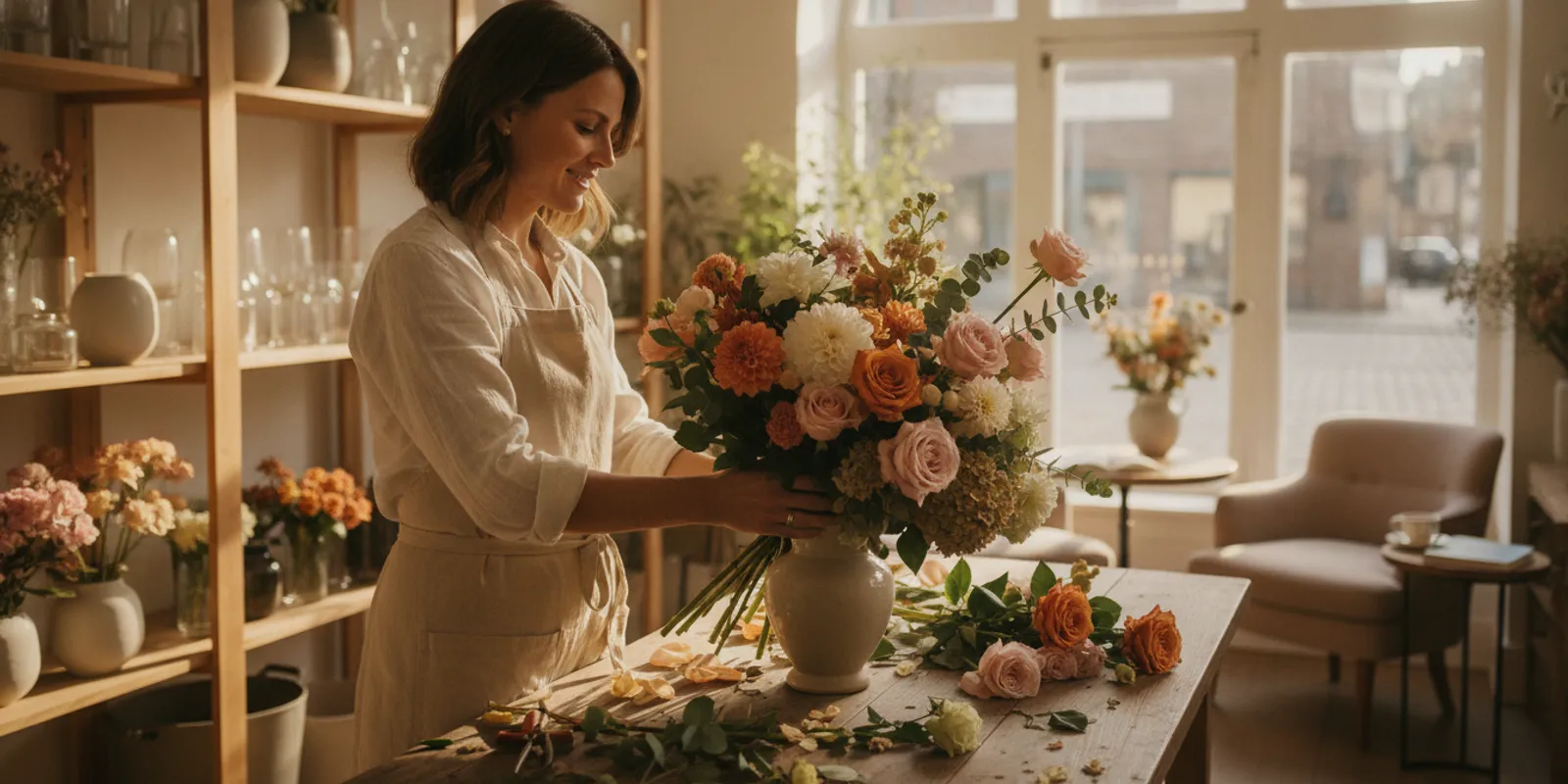
Flowers for every occasion Salt Lake City shoppers celebrate can make a meaningful moment feel personal. Whether you are marking a birthday, offering comfort, congratulating a graduate, or simply letting someone know you are thinking of them, begin with the recipient and the feeling you want to convey.
Shop flowers for your occasion
Williams Flower & Gift is a third-generation family florist with more than 40 years of floral experience, serving the greater Salt Lake City, Portland, and Seattle-Tacoma areas. In Utah, the company offers a broad selection of flowers, plants, and gifts. A favorite color, a familiar flower, or a sincere note can make an arrangement feel considered without making it elaborate.
Start with the person, not the calendar
Occasion guides offer useful starting points, but the recipient’s taste matters more than a strict rule about what a flower must mean. Think about whether they prefer bright or understated colors, classic or natural-looking arrangements, or flowers alongside a plant or another small gift. If you are unsure, a mixed bouquet can provide color and variety without requiring you to identify one perfect bloom.
Consider the setting, too. A compact arrangement can suit a desk or bedside table, while a larger centerpiece may work better for a gathering. If the recipient has limited space, lives in shared housing, or is away from home during the day, a smaller design may be easier to enjoy. A card with a specific, sincere message adds context to any arrangement.
Separate what you know from what you are guessing. You may know the recipient loves yellow, but not whether they prefer roses or a loose garden-inspired mix. Use the known preference to guide color, then choose a balanced style rather than making several assumptions at once. For a colleague or newer acquaintance, a versatile arrangement and brief note are usually easier to get right than a highly specific design.
What flowers work well for birthdays?
Birthday flowers are a chance to match the recipient’s energy. Bright mixed blooms can feel lively and celebratory; a restrained palette can feel polished and personal. Roses, lilies, sunflowers, and seasonal flowers are possible directions, but the recipient’s preferences should guide the choice. If you know they love a particular color, use it as your starting point.
For someone whose style you do not know well, choose a balanced arrangement. A cheerful bouquet and short birthday note work for a friend, colleague, relative, or partner. Browse birthday flowers to explore options, and mention a shared memory or something you hope they enjoy in the year ahead.
Think through the birthday plan before choosing the format. If you will hand over flowers at a restaurant or party, a bouquet that is easy to carry may be more convenient than a large arrangement. If the flowers will be delivered at home, a vase design is ready to display. On a busy workday, consider whether the recipient can bring the flowers home or would prefer delivery at another time.
How should you choose anniversary flowers?
Anniversary flowers can reflect a shared story instead of following a formula. Red roses are a familiar romantic gesture, while a mixed arrangement in colors that have meaning to the couple can feel more individual. You might choose flowers that recall a wedding bouquet, favorite trip, or the recipient’s home décor.
Think about how the flowers will fit into the celebration. A bouquet delivered before dinner can set the tone; a design intended for a table can become part of the evening. A personal message often matters more than adding extra stems. For a classic romantic direction, consider a rose arrangement, or browse the wider selection for a style that feels true to your relationship.
For a milestone year, connect the card to the occasion. Mention something you admire about the life you have built together, or recall a small moment that still makes you smile. If you are planning dinner at home, choose a scale that leaves room for dishes and conversation. A bouquet need not match a traditional anniversary color or flower to feel meaningful.
What is appropriate for sympathy?
Sympathy flowers should communicate care without asking the recipient to respond or make decisions. Choose a calm, respectful design in soft or natural colors unless you know the family would welcome something brighter. A simple message such as “Thinking of you and your family” is enough. Avoid trying to explain grief or offer quick reassurance; a quiet expression of support can be more helpful.
Before sending flowers to a home, funeral home, or place of service, confirm recipient and delivery details. If you are unsure what is appropriate at a service, ask the family or funeral home about preferences. A standing tribute may suit a service, while a smaller vase arrangement can be easier to place at home. Williams Flower & Gift offers delivery information for hospitals and care settings; check the relevant facility’s current receiving guidance before ordering for a patient.
Timing and context matter as much as design. A service may have a specific schedule or delivery entrance, and the family may have requested donations or asked for no flowers. When sending to a home, consider whether someone will be there to receive the arrangement and whether a vase design would be easier to display. Keep the card brief and centered on the person receiving it. Offer practical help only when you can follow through.
What should you send someone who is recovering?
For a get-well gift, choose an arrangement that brings color without overwhelming the room. A modest vase design can be practical because it is ready to display. If you are sending flowers to a hospital, first check whether the unit accepts them and whether there are restrictions. Some care settings may not allow flowers in particular rooms or departments.
Keep the note warm and low-pressure. “Wishing you a comfortable recovery” or “Sending a little color your way” can express care without implying that recovery should happen on a particular schedule. If flowers are not suitable, consider a plant or another gift, while confirming the recipient’s needs and the facility’s rules.
At home, a compact arrangement can be easier to place near a chair or bedside table than a tall, wide design. Avoid assuming the recipient can manage frequent care; if choosing a plant, consider whether they enjoy caring for one. A message such as “No need to reply—just wanted you to know I’m thinking of you” keeps the gift supportive rather than adding an obligation.
When are flowers a good graduation gift?
Graduation flowers mark effort and a transition into what comes next. Bright, celebratory colors can suit the occasion, while a compact bouquet is easy to carry during a busy ceremony or celebration. If you will meet the graduate in person, consider whether they need to hold the flowers throughout the event; a smaller hand-tied bouquet can be convenient.
For a graduate who is moving or traveling soon, make the gift easy to enjoy in the moment. A note that recognizes something specific about their work or persistence makes the gesture more meaningful than a generic congratulation. Browse bouquets in a range of styles and choose a design that suits the celebration.
If the graduate has a ceremony, coordinate the handoff with the schedule. Flowers can be awkward to carry while taking photos, finding family, or moving between venues, so a compact bouquet can be practical. For a home celebration, a larger arrangement can become part of the table or entryway. Name the accomplishment—and the effort behind it—in the card.
Can flowers make an ordinary day feel special?
A just-because bouquet can be a small reminder of affection, gratitude, or friendship without tying the gesture to a holiday. Choose flowers in the recipient’s favorite color, or select a simple seasonal mix. A short note that says why you thought of them gives the gift a clear, personal purpose.
Spontaneous flowers also work well for a thank-you or an apology, but let the message do the emotional work. For gratitude, name what you appreciate. For an apology, acknowledge the specific situation without expecting flowers to settle the matter. The gesture can open a conversation, but it should not replace one.
For a thank-you, be clear about what you appreciate: a meal, a favor, a kind word, or help during a busy week. For a small celebration, such as a new job or finished project, choose a cheerful arrangement that fits the recipient’s home or workplace. A note can explain why you chose that day, so the surprise feels intentional.
How do you choose color and arrangement style?
Color can set the mood, but meanings vary between people and cultures. Use the recipient’s tastes rather than relying on a fixed code. If you do not know their preferences, a balanced mix of complementary colors is versatile. Neutral tones can feel understated; vivid colors can bring energy; a single-color design can look refined.
Arrangement style matters as much as flower type. A low, compact design may fit a dining table or small apartment. A taller arrangement can make a stronger visual statement but may require more space. A hand-tied bouquet gives the recipient flexibility to place it in their own vase, while a vase arrangement is ready to display. When in doubt, choose a manageable size.
Think about where the arrangement will live. A desk gift should fit the available surface and not block a screen or workspace. A dining table design should leave room for people to see one another. For delivery to a home, a vase arrangement may be convenient; for an in-person presentation, a wrapped bouquet is easier to carry. The best option is one the recipient can enjoy without rearranging plans.
How do you balance the occasion, style, and practical details?
Use a three-part check before deciding: emotional tone, recipient preference, and setting. A bright birthday bouquet for a friend who loves color may suit a home celebration, while a softer arrangement may feel more fitting for a quiet expression of sympathy. These are starting points, not rules. If personal knowledge points in another direction, trust it.
| Situation | Useful starting point | Practical detail |
|---|---|---|
| Celebration | Colorful or favorite-flower arrangement | Choose a size that travels well or fits the gathering space |
| Comfort | Calm, respectful design and a brief note | Confirm recipient, facility, or service preferences |
| Workplace gift | Compact arrangement in a recipient-friendly palette | Consider desk space and whether flowers can be taken home |
| Spontaneous gesture | Seasonal mix or familiar favorite | Explain in the card why you thought of them |
This comparison helps when you are buying for someone whose preferences you do not know well. Start with the setting and purpose, then narrow size and color. Consider pets, children, or limited counter space only when you know those details; do not guess about sensitivities. A short, sincere note is useful across nearly every occasion.
How can you make a flower order go smoothly?
- Confirm recipient details. Check the spelling of their name, delivery address, and any apartment or room information.
- Choose a useful delivery date. Consider work hours, travel, events, or facility restrictions. If the occasion is time-sensitive, order ahead when possible.
- Share a helpful note. Include a short message and relevant delivery instructions, while avoiding sensitive details that do not need to be shared.
- Check coverage and availability. Delivery fees vary by location and order size and are calculated at checkout. Product availability may vary.
- Review before submitting. Confirm the selected design, card message, recipient information, and delivery details.
Orders placed before 1:00 PM may qualify for same-day delivery where service coverage and availability allow. This is a cutoff, not a promise that every product can be delivered that day. Check online options for your address and date before placing an order. Review delivery information for Sandy and delivery information for Lehi for area-specific details.
For a workplace, hospital, or other staffed building, include department, suite, or room information requested by the recipient and check whether the building has receiving rules. For a home delivery, verify the address and any gate or entry instructions. Ordering ahead gives more time to confirm the date, design, and recipient details. Availability and fees depend on address and order details, so review checkout information for your order.
What if you are not sure what to choose?
Start with three questions: What is the occasion? What colors or styles does the recipient enjoy? Where will the flowers be delivered? If you can answer those, you can narrow a broad catalog into a useful choice. If not, a seasonal mixed bouquet is a flexible starting point. You can also select by occasion, then compare style, size, and accompanying gifts.
Williams Flower & Gift offers handcrafted designs and direct sourcing from domestic and international farms. Flower prices generally range from about $15 to $500 or more, depending on the product and design. No minimum order is required, and delivery fees vary by location and order size. Review current product details and checkout information for the specific order you have in mind.
For a straightforward choice, pick one reliable clue: the occasion, a favorite color, or whether the gift should feel lively or understated. Then choose a manageable format and spend a moment on the card. The home and gift selection offers another place to begin. The company’s more than 40 years of experience reflects its family business heritage, not its length of time serving Utah.
Build a simple decision process
When many products seem plausible, use an orderly process rather than browsing without a plan. First write down the purpose in a few words: celebrate, comfort, thank, encourage, or mark a milestone. Next identify one fact about the recipient, such as a favorite color, preferred style, or the place where the arrangement will be displayed. Then choose the delivery format and only after that compare specific designs.
This order prevents a common mismatch: selecting a striking arrangement first, then realizing it is too large for the intended desk or awkward to carry to a ceremony. A compact vase design can be suitable when convenience is central. A wrapped bouquet can work when the recipient will receive it in person and can arrange it later. A centerpiece should be considered in relation to the table and the event rather than judged only by its appearance online.
For example, suppose you are sending a birthday gift to a relative whose favorite color is blue, but you do not know their preferred flowers. Use blue as the direction if suitable options are available, but keep the design balanced and let the card make the connection personal. If you are congratulating a colleague on a promotion, a cheerful but moderate arrangement with a concise note may fit better than a highly romantic style. The goal is not to decode a universal flower language. It is to make a choice that is thoughtful and comfortable for the recipient.
A short checklist before you decide
- Purpose: What should the recipient feel when the flowers arrive?
- Preference: What do you know rather than merely assume about their taste?
- Place: Where will the arrangement be displayed, and who will receive it?
- Format: Would a bouquet or ready-to-display vase design be easier?
- Message: What can you say that is specific, sincere, and appropriate?
How do flowers fit different relationships?
The relationship helps set the tone, but it should not determine every detail. A partner may appreciate a familiar romantic style or a design connected to a shared memory. A parent may value a favorite color or a note recalling a family moment. A friend might enjoy a playful mix, while a colleague may prefer a restrained arrangement that suits a shared workplace.
When the relationship is new or formal, avoid relying on intimacy you have not established. Choose a versatile design, keep the card warm but simple, and avoid language that could feel overly personal. For a close friend, you can be more specific: reference an inside joke, a recent conversation, or something you admire about them. The same flowers can carry different meaning depending on the words accompanying them.
For family members, consider practical preferences learned over time. Does the person like a full arrangement or a few simple blooms? Do they enjoy tending plants? Is there a surface where a vase can sit safely? Familiarity can make a gift more accurate, but it is still worth checking current circumstances. A loved one who recently moved, is traveling, or is recovering may need a smaller or differently timed delivery.
For someone you do not know well, do not treat the purchase as a test of your taste. A well-proportioned mixed arrangement and a note that names the occasion are often enough. If the flowers are for a group gift, agree on the tone and message so the card does not become crowded or conflicting. One clear sentiment is more effective than several unrelated wishes.
What should the card say?
A card is the part of the gift that explains why you chose to send it. It does not need to be long. A useful pattern is to name the occasion, add one personal detail, and close with a simple wish. For a birthday, that might mean recalling a shared plan and wishing the person a joyful year. For a thank-you, name the favor and the difference it made.
Keep the recipient and occasion at the center. Avoid messages that ask them to reassure you, reply quickly, or hide difficult feelings. In sympathy, a concise expression of care can be kinder than advice. During recovery, acknowledge that healing may take time and avoid insisting that the person stay positive. A gentle message leaves room for the recipient’s actual experience.
For an apology, the card should acknowledge what happened and take responsibility. Avoid suggesting that the flowers erase the issue or require forgiveness. For a congratulations gift, mention the work behind the achievement, not only the title or outcome. For a long-distance relationship, make the message concrete by referring to a future visit or a detail that shows you were listening.
Before submitting an order, read the card message once as if you were receiving it. Check names and spelling. Remove language that might be misunderstood without your voice or expression. If several people are contributing, choose one person to edit the final note and keep it concise enough to read at a glance.
How should you think about color, flower type, and season?
Flower meanings are not fixed rules. Cultural traditions, family memories, and personal taste can change what a color or flower suggests. A red rose may feel romantic to one person and simply beautiful to another. White flowers can carry different associations in different settings. When you know the recipient’s preference, trust it over a generic guide. When you do not, choose a balanced design and a message that clarifies your intent.
Flower type can provide a starting point, but availability and style vary. Roses are familiar for romantic gestures, while mixed designs can feel versatile for celebrations and everyday thanks. Sunflowers can bring a bright, informal look; lilies and other distinct blooms may suit people who enjoy a stronger focal flower. These are aesthetic possibilities, not prescriptions. Let the overall arrangement and the recipient’s taste guide you.
Seasonal flowers may offer a natural way to mark the time of year. A spring gift can feel fresh and light; a fall palette can feel warm; winter arrangements may bring color to a darker season. Seasonal selection can also mean that the exact mix changes. If a particular flower matters, confirm that it is currently offered rather than assuming it will be available on a chosen date.
Think about scent and scale where relevant. A strongly scented arrangement may not suit every shared room, and a wide arrangement can take over a small table. If you know the recipient has a preference or limitation, use that knowledge. Do not make medical assumptions or ask the flowers to solve a practical problem; when uncertain, a moderate design and a quick check with the recipient or host can prevent a mismatch.
How do you choose an arrangement for a home, office, or event?
The same bouquet can work differently depending on where it will be received. In a home, an arrangement may become part of a kitchen, entryway, or living room. Think about available surfaces and whether the recipient has time to arrange flowers. A vase design can reduce setup, while a bouquet can offer more flexibility if the recipient has favorite vessels at home.
In an office, consider shared space and the recipient’s workday. A compact design can sit on a desk without taking over the area. If the gift is for a team member, keep the note appropriate for the workplace and avoid creating pressure for a public response. You may want to confirm that the recipient is at the office on the delivery date, especially if schedules vary.
At a gathering, flowers can serve as a focal point or a personal gift. A low centerpiece can preserve sightlines across a dining table. A taller design may be more visible in a foyer or on a side table. If flowers are part of an event, coordinate color and scale with the room rather than trying to match every detail. Williams Flower & Gift offers wedding and event florals; larger plans benefit from discussing the setting, date, and overall needs before selecting pieces.
For ceremonies, travel can shape the best format. A graduate may be carrying a gown, program, and personal items. A bouquet that is easy to hold may be more convenient than a broad arrangement. If the recipient will leave immediately after the event, consider whether flowers can be transported or whether a later delivery would be more useful. The arrangement should complement the occasion without making it harder to enjoy.
How can you avoid common gifting mismatches?
Most mismatches come from overlooking one practical detail rather than choosing the wrong flower. A very large arrangement can overwhelm a small table. A bouquet delivered to a building with strict receiving rules may be delayed or refused. A surprise sent during a trip may wait unattended. A note written for one relationship may feel too intimate in another.
Before ordering, check what you can reasonably verify. Confirm the address and date with the recipient or someone who can help when appropriate. If sending to a facility, ask about its rules. If choosing flowers for a shared workplace, think about whether the person can take them home. These small checks are considerate, not unromantic.
Do not overinterpret symbolism. If you are worried that a color or variety may carry an unintended meaning, choose a mixed palette and make your message clear. Do not make claims about a flower’s emotional or health effects. Flowers can be a thoughtful gesture, but they do not replace direct support, an apology, or practical help.
Finally, avoid adding complexity for its own sake. A gift does not become more thoughtful simply because it is larger or includes several extras. A modest design chosen with care and accompanied by a precise note can feel more personal than a grand gesture selected without the recipient in mind.
What does delivery planning involve?
Planning delivery starts with the recipient’s real schedule. A home delivery may be easy to receive on a day someone is present, while a workplace gift may need a department or suite number. For a hospital or care setting, confirm the current policy with the facility and include the correct unit details when permitted. A funeral service may have a designated delivery window and location. Do not assume that a building’s general entrance is the right place for every delivery.
When the date matters, order early enough to review the available options. Same-day delivery is available for orders placed before 1:00 PM where service coverage and availability allow; it is not a guarantee for every address or design. A cutoff gives a useful planning point, but it does not remove the need to check the selected date and delivery area during checkout. If timing is especially important, consider whether a different day would still suit the occasion.
Double-check every part of the address. Unit numbers, building names, recipient names, and entry instructions help a delivery reach the right person. For a business, include the department or reception details requested by the recipient. For a private home, include gate or access information only when needed. Keep instructions factual and concise.
Delivery fees vary by location and order size and are calculated at checkout. Product prices generally range from about $15 to $500 or more. Rather than assuming a particular total, compare current designs and review the final checkout details before placing the order. No minimum order is required. That flexibility can be useful when a small, thoughtful arrangement is all the occasion calls for.
Williams Flower & Gift serves the greater Salt Lake City area as well as Portland and Seattle-Tacoma. The company’s broad Utah delivery coverage includes many communities, but an address should be checked directly rather than inferred from a nearby city. See Sandy delivery details or Lehi delivery details as examples of area information.
What can you choose besides a bouquet?
Flowers are only one way to mark an occasion. A plant may suit someone who enjoys caring for greenery and has an appropriate place to keep it. A small gift can accompany an arrangement when it adds something the recipient will appreciate. The right choice depends on the person, not on a rule that every occasion requires the same format.
A plant may be a thoughtful option for a housewarming or a long-lasting reminder, but it still comes with care needs. Consider the recipient’s interest and available light or space only when you have reliable information. If you are unsure, a cut-flower arrangement can be easier to enjoy without asking the recipient to take on an ongoing task. Explore the home and gift selection to see alternatives alongside flowers.
For a new baby, consider the family’s current circumstances. A hospital may restrict deliveries, and parents may be managing visitors, rest, and practical needs. Confirm what is welcome and whether a home delivery later would be more convenient. A gentle note that congratulates the family without expecting a response keeps the gift low-pressure.
For a thank-you or housewarming, a plant or complementary gift can fit the recipient’s habits. A person who enjoys tending plants may appreciate a living option, while someone who travels frequently may prefer cut flowers. If the occasion calls for a larger plan, event florals can be discussed in relation to the venue and date. Weddings and events are distinct from a routine gift order, so allow time to clarify scope and availability.
How does a local florist help you make a choice?
A florist can help translate a broad idea into a suitable arrangement. You might begin with a feeling—bright, calm, romantic, celebratory—or a practical need such as a compact vase design. Specific details improve the conversation: occasion, delivery date, preferred colors, approximate scale, and where the flowers will be placed. If a particular bloom is essential, ask whether it is currently available for the date you have in mind.
Williams Flower & Gift creates handcrafted designs and sources directly from domestic and international farms. Its selection includes flowers, plants, and gifts, with options for everyday occasions as well as weddings and events. The company is a third-generation family florist with more than 40 years of floral experience. That heritage describes the broader family business; it should not be confused with decades of operating in Utah.
For a routine gift, browsing by occasion can make a large selection easier to navigate. Compare a few designs based on palette, format, and scale, then review delivery information for the address. For a custom design or event, share enough detail for the florist to understand the setting and purpose. A clear request does not require an elaborate brief; a few practical facts can be enough to start.
There is no minimum order requirement. Product prices generally range from about $15 to $500 or more, and delivery charges vary by location and order size. Current availability and final costs are shown through the ordering process. Check those details directly rather than relying on a general guide to predict the exact total for a particular date.
Questions to ask yourself before placing an order
Do I know what the recipient likes?
If you do, use that as the lead. A favorite color or flower can make even a simple design feel personal. If you do not, choose a balanced style and rely on the occasion and message to give the gift meaning. Avoid guessing at several preferences at once.
Will the recipient be able to receive and display it?
Think about travel, work hours, facility rules, and available space. A compact vase arrangement may be useful when setup needs to be simple. A wrapped bouquet may suit an in-person handoff. If the recipient may be away, choose a date when someone can receive the gift or ask about the best timing.
Does the message fit the relationship?
Keep the wording warm and clear. A close relationship allows a personal memory; a professional relationship usually calls for a concise note. For grief or recovery, avoid advice and pressure. A message can be sincere without being long.
Have I checked the current details?
Review the product, date, address, fees, and delivery coverage before completing an order. Same-day delivery applies to orders placed before 1:00 PM where coverage and availability allow. If a particular flower or delivery time matters, confirm what is available rather than assuming.
Choose with care, then keep it simple
Flowers can mark a milestone, offer comfort, or brighten an ordinary day. The most useful starting point is always the person receiving them: what they enjoy, where the arrangement will go, and what you hope your message will say. From there, a manageable design and a thoughtful note can make the gesture feel complete.
Williams Flower & Gift offers a broad selection for different occasions, along with plants and gifts. Explore current options, compare the details that matter to you, and choose a delivery date and format that suit the recipient. You can also browse bouquets for different moments when you are ready to narrow the choice.
The most thoughtful flowers are chosen with the recipient in mind. Let the occasion guide you, but use personal taste, practical details, and a sincere message to make the gesture your own.

