
Hibiscus Flower Guide: Types, Care, Uses & Safety
Get to know the hibiscus flower—learn about popular types, care tips, uses in food and drinks, and important safety info for your home or garden.
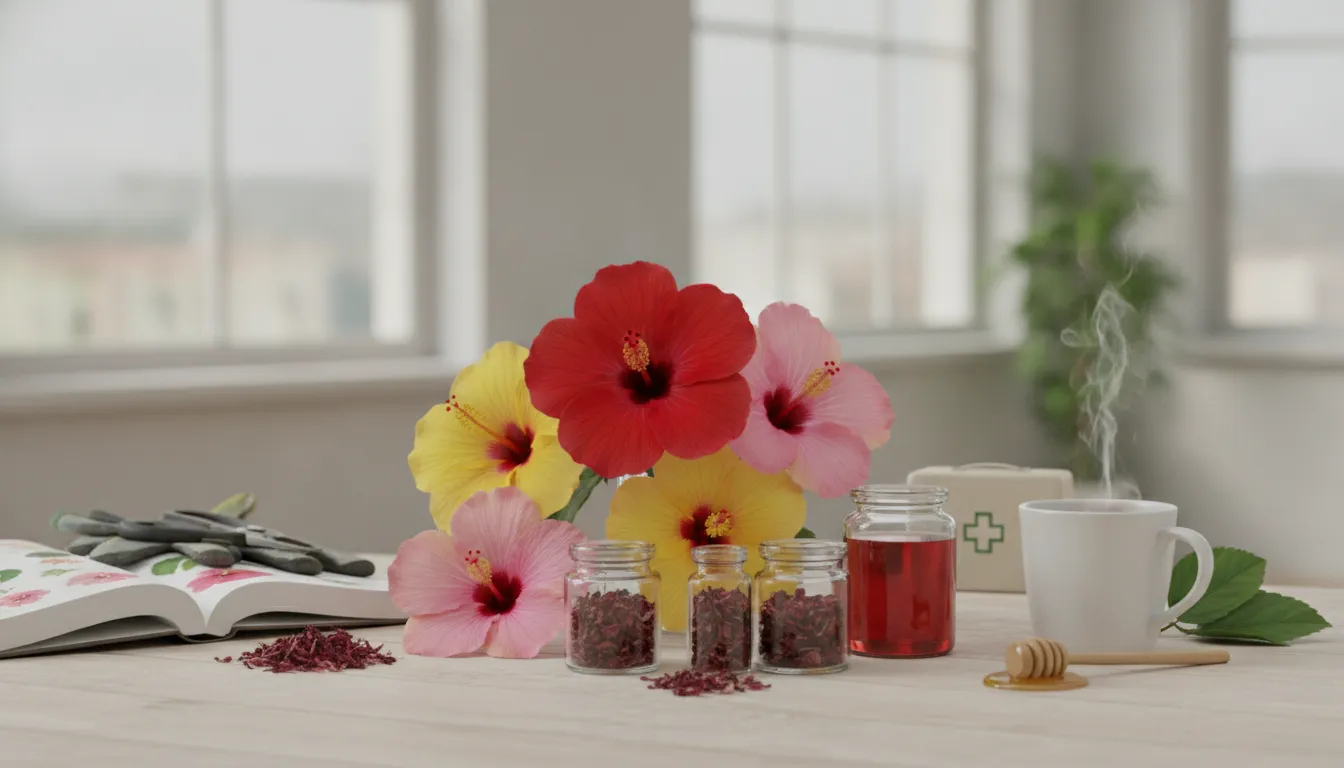
Few blooms make a statement quite like the hibiscus flower. Its generous petals and rich shades can turn an ordinary garden corner into a focal point, while its cultural meanings make it a thoughtful choice for a gift. Still, hibiscus comes in many forms, and each one has different needs. A tropical plant may need to move indoors when temperatures drop, while a hardy variety can handle colder conditions. Roselle offers another point of interest, with calyces used in tart drinks and recipes. Read on to learn how to identify common types, care for hibiscus, understand its symbolism, and enjoy it safely.
Key Takeaways
- Identify your hibiscus type before planting: Tropical hibiscus needs indoor shelter in cold weather, while hardy varieties may suit garden beds in the right growing zone.
- Build a simple care routine: Give hibiscus plenty of sun, water when the soil begins to dry, and check leaves and buds regularly for signs of stress or pests.
- Choose hibiscus with care for food, wellness, and gifts: Use only clearly labeled food-grade roselle in recipes, ask a health professional before medicinal use, and match plant or flower gifts to the recipient’s preferences.
What Is a Hibiscus Flower?
Hibiscus is a large group of flowering plants known for their showy blooms. The flowers vary by species, but their bold shape and color make them easy to recognize in a garden or arrangement.
Meet This Diverse Genus in the Mallow Family
Hibiscus is a genus in the mallow family, Malvaceae, with several hundred species native to tropical, subtropical, and warm temperate regions. The group includes annuals and perennials, herbs, shrubs, and small trees. Some hibiscus plants thrive in warm conditions, while others can handle colder winters.
Common names include tropical hibiscus, rose mallow, and rose of Sharon. These plants share a genus, but they can differ significantly in size, growth habit, and bloom. A tropical hibiscus in a container, for example, may look quite different from a hardy hibiscus growing in a garden bed. The Chicago Botanic Garden’s hibiscus guide offers a helpful introduction to the group’s variety.
Spot Its Five Petals, Staminal Column, and Bold Colors
Many hibiscus flowers have five broad petals arranged around a prominent central structure called the staminal column. It forms from fused filaments and carries the flower’s stamens, while the style extends through its center. This column often projects beyond the petals, giving the bloom its recognizable profile.
Hibiscus colors include white, pink, red, orange, and peach, with some varieties showing deeper or contrasting centers. Petals may be smooth and flat, or ruffled and layered, depending on the species and cultivar. Those differences give hibiscus a range of looks, from simple and graceful to dramatic and full. For a closer look at the plant’s flower structure, explore the Royal Horticultural Society’s hibiscus overview.
Compare Bloom Shapes, Flowering Habits, and Pollinators
Hibiscus flowers can be trumpet-shaped, open and flat, or layered with extra petals. Their flowering schedules vary by type and growing conditions. Some plants bloom in flushes, while others produce flowers through much of the growing season. Individual blooms on many varieties last only a day, but new buds may continue to open.
The large, colorful flowers also draw attention from pollinators. Bees and butterflies visit many hibiscus species, and nectar-rich blooms can attract hummingbirds. The visitors depend on the plant and its setting, but hibiscus can bring both color and wildlife to a garden. The Chicago Botanic Garden’s plant profile shares more about hibiscus flowers and the creatures they attract.
Which Types of Hibiscus Should You Know?
Hibiscus isn’t just one kind of plant. The name covers tropical shrubs, cold-hardy perennials, flowering shrubs, and roselle, which is grown for its edible calyces. Knowing which type you have helps you choose a suitable spot and care for it through the seasons.
Grow Tropical Hibiscus in Warm Conditions
Tropical hibiscus (Hibiscus rosa-sinensis) has glossy leaves and striking flowers, often in shades of red, yellow, orange, and pink. Blooms can measure 4 to 10 inches across, though each flower usually lasts only a day or two.
This plant thrives in warm conditions and is suited to USDA Zones 9 to 12. In Salt Lake City, Portland, and Seattle-Tacoma, grow it in a container so you can move it indoors when temperatures approach 50°F. Give it a bright spot away from cold drafts, and check the soil regularly, since indoor plants may need less water than they did outside. The Chicago Botanic Garden’s hibiscus guide describes tropical hibiscus and its temperature needs.
Choose Hardy Hibiscus for Large, Cold-Hardy Blooms
Hardy hibiscus, also called rose mallow, includes species such as Hibiscus moscheutos and Hibiscus coccineus. Unlike tropical hibiscus, these perennials can survive cold winters in many regions. Their stems die back in winter, then new growth appears in spring.
The flowers are a highlight: some varieties produce blooms several inches wide, with a dinner-plate-sized look. Plant hardy hibiscus in a sunny spot with room to grow, and don’t worry if it’s slow to emerge in spring. It often leafs out later than other perennials. Hardy varieties can suit many Salt Lake City gardens, as well as milder areas around Portland and Seattle-Tacoma. Check the plant label for the variety’s hardiness range and mature size before planting.
Recognize Rose of Sharon’s Long Summer Bloom
Rose of Sharon (Hibiscus syriacus) is a woody shrub that brings hibiscus flowers to the garden later in summer. It often blooms in August and September, when many other shrubs have finished flowering. Depending on the variety, its flowers may be single or double, with colors ranging from white and pink to red and violet-blue.
Use it as a focal point in a sunny garden bed or as part of a mixed shrub border. Unlike tropical hibiscus, Rose of Sharon can grow outdoors in colder climates, but its size and hardiness vary by cultivar. Leave enough space for the shrub to reach its mature height and width, and prune as needed to maintain its shape. The Chicago Botanic Garden’s plant profile covers its late-summer flowering and range of colors.
Grow Roselle for Its Tart, Edible Calyces
Roselle (Hibiscus sabdariffa) is grown for its fleshy red calyces, the structures that form around the flower. Once dried, they can be steeped to make hibiscus tea, Agua de Jamaica, or sorrel. Their tart, cranberry-like flavor also works in drinks, syrups, and other recipes.
Roselle needs a long, warm growing season, so gardeners in Utah and the Pacific Northwest often grow it as an annual. Start seeds indoors if needed, then move plants outside after the last frost, once temperatures have warmed. For cooking, choose roselle sold or grown specifically for food. Ornamental flowers may have been treated with products that aren’t intended for edible plants. This roselle overview explains how the plant’s calyces are used in food and drinks.
How Do You Grow and Care for Hibiscus?
A little planning helps hibiscus thrive, whether you’re growing it in a garden bed or a patio pot. Start by identifying the variety: tropical hibiscus needs warm conditions and indoor shelter in winter, while some hardy varieties can stay outdoors through cold weather.
Choose the Right Sunlight, Temperature, and Planting Site
Hibiscus flowers best with at least six hours of direct sunlight a day. Choose a sunny spot that offers some protection from strong winds, which can damage stems and blooms. If you’re growing hibiscus in a container, you can move it to follow the sun and bring it indoors when the weather cools.
Tropical hibiscus prefers temperatures above 50°F, so plan to move it inside before nighttime temperatures drop below that mark. Hardy varieties can tolerate colder conditions, but their winter hardiness varies. Check the plant label for its recommended growing zone and mature size before choosing a planting site. The Chicago Botanic Garden’s hibiscus guide offers more information on light and temperature needs.
Provide Well-Drained Soil, Consistent Water, and Seasonal Feeding
Plant hibiscus in soil that drains well while holding enough moisture to keep roots from drying out. Water thoroughly when the soil begins to feel dry, and check potted plants more often during warm, sunny weather. Hibiscus doesn’t tolerate drought well, but roots can suffer if they sit in water. Choose a pot with drainage holes, and water well after planting.
During the growing season, use a fertilizer labeled for flowering plants and follow the package directions. Avoid applying more than recommended. In garden beds, give plants enough space for air to circulate, using the spacing guidance for your variety. These hibiscus planting and care recommendations offer a helpful starting point.
Prune and Repot Tropical Plants, and Protect Them in Winter
Remove dead or damaged stems when you spot them. For a larger trim, shape tropical hibiscus in early spring, before new growth begins. You can cut back overgrown stems by about half, but avoid heavy pruning if the plant is already stressed or putting out new growth.
Repot a tropical hibiscus in spring if its roots are crowded or growing through the drainage holes. Choose a container with drainage holes and fresh potting mix. Before nighttime temperatures fall below 50°F, bring the plant indoors and set it in a bright room away from cold drafts and heating vents. Check the soil regularly, since indoor plants may need less frequent watering. The Chicago Botanic Garden’s care advice explains how to prepare tropical hibiscus for colder weather.
Adapt Care to Salt Lake City, Portland, or Seattle-Tacoma
Winter conditions differ across Salt Lake City, Portland, and Seattle-Tacoma, so choose a hibiscus variety suited to your location. Hardy hibiscus can survive winter outdoors in suitable growing zones, but not every variety will thrive in every garden. Check the plant label and local conditions before planting in the ground.
Tropical hibiscus is best treated as a container plant in these areas, so you can bring it indoors when nights get too cold. In Portland and Seattle-Tacoma, make sure garden soil and pots drain well, especially during wet weather. In Salt Lake City, check soil moisture during dry spells and water when needed. For variety-specific guidance, compare your plant’s needs with the Chicago Botanic Garden’s overview of hardy and tropical hibiscus.
Which Hibiscus Pests and Problems Should You Watch For?
Hibiscus often shows signs of stress in its leaves, stems, and buds. A quick inspection every few days can help you spot changes early. Check the undersides of leaves, where pests often gather, and look for patterns before deciding what your plant needs.
Identify Aphids, Mealybugs, Thrips, and Spider Mites
Aphids are tiny insects that cluster on soft stems and leaf undersides. Their feeding can cause yellowing foliage and stunted growth, and some leave behind a sticky residue. Mealybugs look like small, white, cottony patches on leaves or stems. They also feed on plant sap, which can weaken the plant.
Thrips are harder to spot, but you may notice their impact on buds: flowers can become discolored or drop before opening. Spider mites can leave leaves mottled with yellow marks; heavier infestations may create fine webbing. Inspect suspicious spots closely, using a hand lens if needed. The Gardening Know How guide to hibiscus pests includes more signs to look for. If you find pests on a potted plant, move it away from other plants while you identify and address the problem.
Spot Yellowing Leaves, Leaf Spots, Gray Mold, and Other Signs of Stress
Yellow leaves can have several causes, including pests, overwatering, or a recent change in light or temperature. Look at the whole plant and note where the damage appears. Small spots, mottling, or unusual streaks on flowers may point to disease or another growing issue.
Gray mold, also called Botrytis, is more likely in cold, damp conditions. Flowers, buds, or leaves may look water-soaked before developing fuzzy gray or black growth. Poor airflow can make the problem worse, particularly for container-grown tropical hibiscus. Because different issues can look alike, check the plant’s recent care and growing conditions before treating it. Plant Addicts’ hibiscus disease guide shows examples of common symptoms.
Prevent Problems With Good Airflow, Careful Watering, and Responsible Treatment
Give your hibiscus room around its leaves and stems so air can circulate. Remove fallen leaves and spent flowers, especially if they sit against damp soil. Water the soil rather than the foliage when practical, and check the soil before watering again. Hibiscus needs steady moisture, but soil that stays soggy can stress roots and encourage disease.
Inspect your plant regularly, especially during warm weather or after bringing a tropical hibiscus indoors. If you see pests, identify them before choosing a treatment. Follow product directions carefully, and make sure any treatment is suitable for hibiscus and the pest you found. The UC Integrated Pest Management guidance for hibiscus recommends regular monitoring and attentive plant care to help prevent problems.
How Do People Use Hibiscus in Food and Traditional Remedies?
Hibiscus has a long history in food and traditional wellness practices. One especially popular culinary variety is roselle, grown for its tart, fleshy calyces. People steep them for drinks, cook them into preserves, or use them to flavor desserts. Preparations and customs vary from place to place, so a cup of hibiscus tea may taste different depending on the recipe.
It helps to separate culinary traditions from medical claims. A plant’s use in food or folk practice does not prove that it can treat a health condition. If you’re curious about hibiscus for wellness, enjoy learning about its history while turning to a qualified health professional for medical advice.
Brew Hibiscus Tea and Agua de Jamaica With Roselle Calyces
Roselle calyces make a deep red infusion with a tart, cranberry-like taste. To prepare hibiscus tea, steep dried, food-grade calyces in hot water, then strain them out. Serve it warm or chilled, with sweetener, citrus, ginger, or mint if you like.
In Mexico and other parts of Latin America, chilled hibiscus tea is known as agua de Jamaica. In the Caribbean, a similar drink is often called sorrel. Recipes and spices vary by region, so you can adjust the sweetness and flavor to suit your preferences. The edible part commonly used is the calyx, the fleshy structure around the base of the flower. This overview of hibiscus describes its use in regional food and drinks.
Add Food-Grade Hibiscus to Syrups, Jams, Baked Goods, and Drinks
Food-grade dried roselle calyces can add color and tartness to syrups, jams, sauces, and drinks. Try steeping them in warm liquid, then straining the mixture before adding it to a recipe. Some cooks candy dried calyces or use them as a dessert garnish.
Check the label to make sure the hibiscus is intended for culinary use, and follow the preparation instructions. Flowers from a garden center or florist may have been treated with products that are not meant for food, so don’t assume they’re edible. Recipes typically call for roselle calyces rather than petals. Choosing the right plant part and a food-grade product lets you enjoy hibiscus in the kitchen with care.
Weigh Potential Health Effects Against the Limits of Current Evidence
Hibiscus contains plant compounds such as anthocyanins and polyphenols. Some people enjoy hibiscus tea as part of their routine or find it comforting when they have mild digestive discomfort. Those experiences can be useful to share, but they don’t show that hibiscus treats or prevents a health condition.
Research into hibiscus and health is ongoing, and findings may depend on the plant preparation and the person using it. A health overview of hibiscus discusses its compounds and potential effects, while noting that more evidence is needed. If you have persistent symptoms, ask a health professional for advice rather than relying on tea or another home preparation as treatment.
Distinguish Traditional Uses From Proven Medical Treatments
Different hibiscus species and plant parts have been used in traditional practices across cultures. These customs offer insight into the plant’s history, but they are not proof that a particular preparation is safe or effective for a specific health concern.
For medical advice, speak with a qualified health professional. If you’re considering hibiscus for a therapeutic purpose, tell them which product you plan to use and how you intend to prepare it. They can help you assess whether it’s appropriate for your circumstances. This is especially important if you have a health condition or take medication. You can appreciate hibiscus as a food and cultural tradition while making health decisions with reliable guidance.
Is Every Hibiscus Flower Safe to Eat?
Identify the Roselle Parts Commonly Used in Food
The hibiscus most often used in teas and recipes is roselle, or Hibiscus sabdariffa. Its fleshy red calyces, the parts that form around the base of the flower, are harvested for food. They’re often dried for tea or simmered into agua de Jamaica, a tart drink. Roselle calyces can also bring a tangy flavor to syrups, jams, and other recipes.
The petals are not usually the part used in these preparations, and the name “hibiscus” covers many different species. Before using a plant in food, check both its identity and which part is intended for consumption. The roselle overview describes how its calyces are used in foods and drinks.
Choose Correctly Identified, Food-Grade Flowers, Not Florist or Garden Flowers
A flower’s appearance can’t tell you whether it’s safe to eat. Hibiscus includes many species, and consuming a plant that isn’t suitable for food may cause nausea or digestive upset. Even an edible species may have been treated with pesticides or other products that aren’t intended for food crops.
Choose hibiscus that’s clearly labeled for culinary use, and follow the preparation instructions on the package. Avoid eating flowers from a florist, garden center, or home garden unless you can confirm the species and that the plant was grown for consumption. Banner Health’s hibiscus guidance recommends taking care when selecting hibiscus products.
Consider Pregnancy, Blood Pressure, Diabetes, and Medication Interactions
Hibiscus may lower blood pressure, so it could be a concern for people with low blood pressure or those taking medication to manage it. If you take medicine for blood pressure or diabetes, ask a health professional before using hibiscus regularly or in concentrated forms. Potential effects can depend on the product and the amount used.
People who are pregnant or breastfeeding should also seek medical advice before using hibiscus as a supplement or remedy. Some concerns about pregnancy come from animal studies, and effects in humans have not been confirmed. For more information about potential risks and medication considerations, see Banner Health’s advice on hibiscus.
Consult a Health Professional Before Using Hibiscus Medicinally
Using a small amount of culinary hibiscus in a recipe differs from taking a concentrated extract, supplement, or strong preparation for a health concern. Products can vary in strength, and hibiscus may not be suitable for everyone. Don’t use it in place of prescribed treatment or delay medical care to try it.
Before using hibiscus medicinally, share the product label and your intended use with a doctor, pharmacist, or another qualified health professional. This is especially important if you’re pregnant or breastfeeding, have concerns about blood pressure or diabetes, or take prescription medication. A health professional can help you assess your personal risks and decide whether a specific product is appropriate.
What Does the Hibiscus Flower Symbolize?
Hibiscus flowers are often associated with beauty, affection, and welcome, but their meaning can shift with the culture and occasion. Their vivid petals make them memorable in a garden or bouquet, while their traditions give them significance beyond their appearance. If you’re choosing flowers for someone you love, a hibiscus-inspired arrangement can feel especially thoughtful when you include a note about what the bloom means to you.
Explore Its Ties to Beauty, Love, and Hospitality
Hibiscus is often linked with beauty, femininity, and love. Its broad petals and striking colors make it a natural symbol of admiration or affection. In a popular Hawaiian custom, a hibiscus worn behind the right ear is said to signal that someone is available, while one behind the left ear can suggest they are in a relationship. Interpretations vary, so it’s best to see this as a familiar tradition rather than a rule everyone follows.
The flower also conveys hospitality in Hawaii, where hibiscus may appear in leis and other welcoming gestures associated with the spirit of Aloha. Its bright, cheerful look suits occasions when you want to make someone feel welcome or appreciated.
Discover Its Cultural Traditions and National Significance
The hibiscus holds meaning in cultures around the world. Hawaii’s state flower is the yellow hibiscus, also known as Hibiscus brackenridgei. Its vivid blooms are part of the islands’ natural heritage. The Chicago Botanic Garden’s hibiscus guide offers more information about the plant and its varieties.
Hibiscus is also recognized as Haiti’s national flower. In Hindu traditions, red hibiscus is offered to the goddess Kali as an expression of devotion. These examples show how a flower can connect people with a place, a faith, or a shared tradition, as well as express personal feelings.
Consider How Meaning Varies Across Cultures and Occasions
There isn’t one universal meaning for hibiscus. It may represent beauty or romance in one context, and serve as a religious offering, national symbol, or welcoming gesture in another. Color and occasion can shape its meaning, too. A bright bloom may feel celebratory, while red hibiscus can suggest passion or devotion in some traditions.
If you’re giving hibiscus or hibiscus-inspired flowers, consider the recipient’s background and the occasion. A short, sincere note can make your intention clear without assuming the recipient shares a particular interpretation. For more on the flower’s cultural associations, the hibiscus overview on Wikipedia is a useful starting point.
How Can You Use Hibiscus in Floral Arrangements?
With its wide-open petals and vivid color, hibiscus brings an unmistakable tropical feel to a floral arrangement. Use it as a single accent or make several blooms the focus of a design. Cut hibiscus is delicate, so it works especially well in arrangements meant to be enjoyed soon after they arrive.
Make Its Dramatic Shape and Color the Focal Point
A hibiscus bloom naturally catches the eye, so give it space to shine. Place one near the center of a compact arrangement, or position several at varying heights for a looser, garden-inspired look. Red, coral, pink, and yellow varieties can help set the color palette for the rest of the bouquet.
Let the hibiscus lead the design. Smaller flowers and restrained greenery can provide texture without competing with its broad petals. For ideas on using tropical hibiscus as a bouquet’s focal point, take a look at these hibiscus arrangement suggestions. A florist can also recommend blooms that complement the color and style you have in mind.
Pair Hibiscus With Complementary Flowers and Foliage
Balance hibiscus’s large petals with flowers that have smaller blooms or a different shape. Roses, orchids, and spray flowers can add variety, while leafy greenery helps frame the focal bloom. Glossy tropical leaves create a lush look; lighter foliage and seasonal flowers give the arrangement a softer feel.
Keep the design open rather than crowding the stems together. This helps each flower remain visible and gives the hibiscus room to make an impact. When ordering flowers for a birthday, anniversary, or other special occasion, let your florist know you’d like hibiscus included. They can suggest available companion flowers and foliage that suit the arrangement’s colors and are appropriate for the occasion.
Account for Its Delicate Stems and Short Vase Life
Hibiscus can make a striking impression, but it may not last as long as sturdier cut flowers. Tropical hibiscus stems can be short, which limits how they fit into a bouquet. Some blooms also fold closed by the following day, as this hibiscus care guide explains.
Choose open, fresh-looking blooms and place them where they won’t be pressed or bumped by heavier flowers. Keep the arrangement in a stable spot, away from heat and direct sun. If you want a gift that lasts longer, ask your florist to use hibiscus as a special accent among longer-lasting stems, or consider giving a hibiscus plant.
How Can Hibiscus Brighten Gardens and Make Thoughtful Gifts?
Hibiscus brings vivid color and a tropical feel to patios, garden beds, and floral gifts. Choose a living plant for someone who enjoys gardening, or send a hibiscus-inspired arrangement to mark a birthday, anniversary, or everyday occasion.
Grow Hibiscus in Containers or Garden Beds
Start by matching the hibiscus to your climate and available space. Tropical varieties do well in containers, which you can move indoors when temperatures fall. Hardy hibiscus is a good option for many garden beds. It prefers full sun and moist, organic-rich soil, and its large blooms can attract hummingbirds and butterflies. The Clemson Home & Garden Information Center’s hibiscus guide shares more about growing conditions.
In Salt Lake City, Portland, and the Seattle-Tacoma area, weather and growing conditions can vary. Check a plant’s hardiness details and ask a local nursery which varieties suit your garden. If you choose tropical hibiscus, plan to bring the container to a sheltered indoor spot before cold weather arrives.
Give a Hibiscus Plant or Hibiscus-Inspired Flowers
A potted hibiscus is a thoughtful choice for someone who enjoys caring for plants. Include a small card with basic care tips, or choose a decorative pot to make the gift feel complete. For someone who prefers fresh-cut flowers, ask a florist to create an arrangement in hibiscus-inspired shades such as coral, pink, orange, or red.
Tropical hibiscus blooms are striking, though they may fold or close soon after cutting. A floral care guide explains what to expect from these delicate flowers. If vase life is important, ask your florist to pair bold focal blooms with longer-lasting flowers and foliage. For same-day delivery in Salt Lake City, Portland, or Seattle-Tacoma, check local availability when you place your order.
Frequently Asked Questions
Can hibiscus grow outdoors in Salt Lake City, Portland, or Seattle-Tacoma?\ Yes, but choose a variety suited to your area. Hardy hibiscus can grow outdoors in suitable conditions, while tropical hibiscus is usually best kept in a container and brought inside before cold nights arrive. Check the plant label for its hardiness range.
How often should I water a hibiscus plant?\ Check the soil regularly and water when it starts to feel dry. Hibiscus prefers steady moisture, but its roots can suffer if the soil stays soggy. Potted plants may need more frequent checks during warm, sunny weather.
Are hibiscus flowers from a florist safe to eat?\ Not necessarily. Florist flowers may have been treated with products not intended for food, and hibiscus includes many species. For tea or recipes, use hibiscus clearly labeled as food-grade, typically roselle calyces.
How long do hibiscus blooms last in a floral arrangement?\ Cut hibiscus can be delicate, and some blooms may fold closed by the next day. Keep an arrangement away from heat and direct sunlight, and ask your florist to pair hibiscus with longer-lasting flowers if you want it to hold its look longer.
What does it mean to give someone hibiscus flowers?\ Hibiscus can suggest beauty, affection, or welcome, though its meaning varies across cultures and occasions. A brief note with your gift is a thoughtful way to share what the flower means to you.

