
Iris Flower Guide: Types, Planting, and Care
Find out how to grow and care for iris flower varieties, with tips on planting, choosing types, and keeping your garden irises healthy and vibrant.
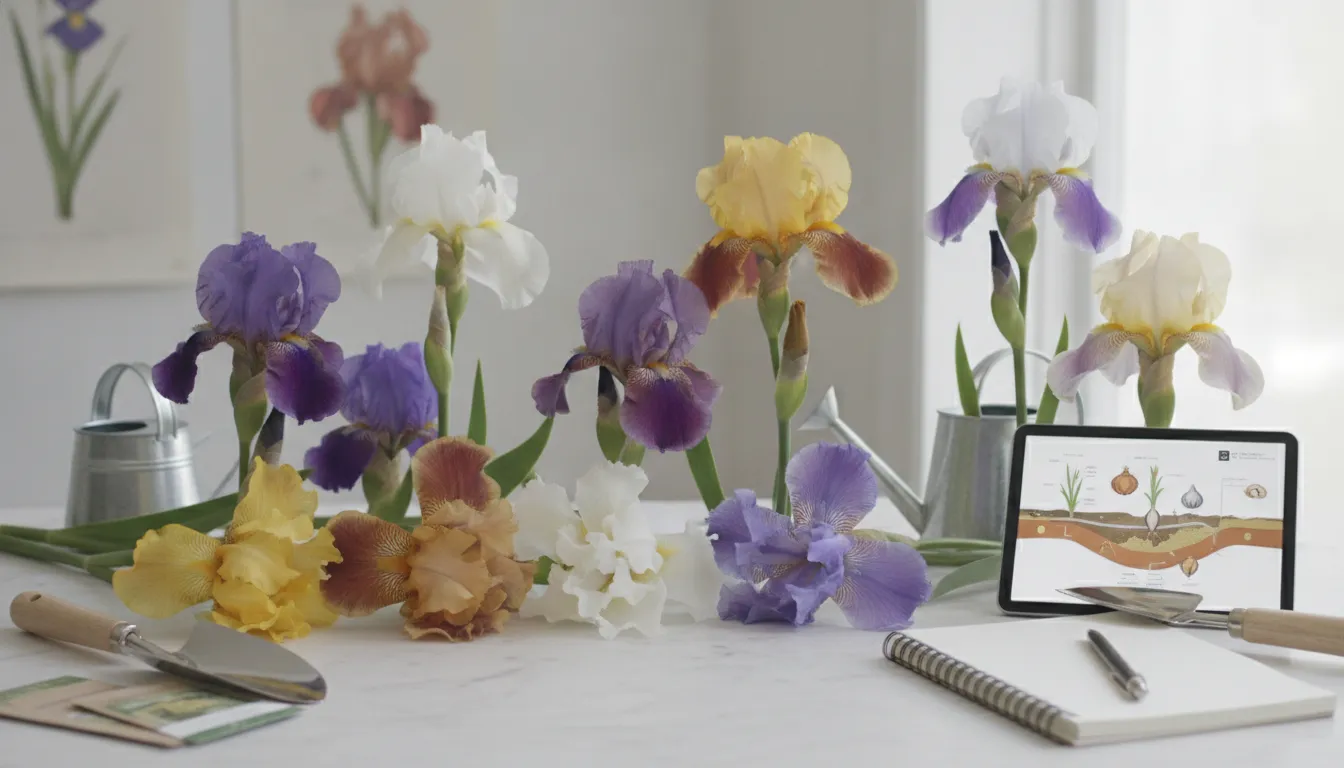
Few flowers make an arrangement feel as sculptural as an iris flower. Its upright petals and outward-sweeping falls bring movement and height, while its colors can shift from gentle pastels to bold, dramatic shades. Irises also have a long history of symbolism, often connected with hope, wisdom, and meaningful messages. Their growing habits vary, too: some irises spread from rhizomes, while others grow from bulbs. That difference matters if you’re planting them at home. Whether you’re curious about garden care or looking for a distinctive bouquet, this guide covers how to recognize irises, choose a variety, and enjoy their blooms.
Key Takeaways
- Identify the iris type before planting: Rhizomes and bulbs need different planting depths, and each variety has its own preferences for sunlight and soil moisture.
- Keep plants healthy with consistent, type-specific care: Provide suitable drainage and watering, remove faded flowers, preserve healthy leaves, and divide crowded clumps when flowering declines.
- Choose irises with the recipient and setting in mind: Their colors can add personal meaning to a gift or arrangement. Keep cut flowers fresh with clean water, and place them out of pets’ reach.
What Is an Iris?
An iris is a perennial flowering plant known for its upright leaves and distinctive, six-part blooms. The genus Iris includes hundreds of species and many cultivated varieties, from compact flowers suited to garden borders to tall stems that make striking cut flowers. Its name comes from the Greek word for “rainbow,” a nod to the broad range of iris colors. You’ll find purple, blue, yellow, white, pink, and richly patterned blooms, though true bright red is rare.
Irises have a recognizable shape, but their growing habits vary. Some grow from rhizomes, thick underground stems that spread horizontally, while others grow from bulbs. Knowing which type you have helps you plant it at the right depth and provide suitable care. Flowers also differ in their petal-like parts, fragrance, and bloom time. Those details can help you choose varieties for your garden or for a seasonal arrangement. The University of Connecticut’s iris guide introduces common iris forms and explains how they grow.
Identify Standards, Falls, Beards, and Crests
Each iris flower has six petal-like parts, botanically called tepals. Three stand upright and are known as standards. The other three, called falls, angle outward or droop below the center of the flower. Together, they create the iris’s familiar, sculptural shape.
Some irises have a fuzzy strip running along each fall. This feature is called a beard, and it can help guide pollinators toward the flower’s center. Other irises have a raised, comb-like feature called a crest. Beards and crests are different features found on different iris types, so they’re useful clues when identifying a variety. For gardeners and flower lovers, noticing the shape and markings of the standards and falls is an easy way to appreciate what makes each bloom unique.
Compare Colors, Fragrance, Bloom Times, and Pollinator Appeal
Irises come in a wide range of colors, from soft pastels to deep purple and blue. Many varieties have two or more shades, with contrasting lines or patches on their falls. Fragrance varies, too: some irises have a sweet scent, while others have little noticeable fragrance. If scent is important when choosing flowers for a garden or arrangement, check the variety description before you buy.
Bloom time depends on the type of iris and local growing conditions. Many garden irises flower in spring or early summer, and some varieties may bloom again later in the season. Planting several types can help spread color across more of the growing season. Iris blooms also offer landing spots for pollinators, including bees. The iris growing guide from Clean Air Gardening shares more about iris varieties, bloom colors, and garden appeal.
Tell Rhizomes From Bulbs
Many popular garden irises, including bearded irises, grow from rhizomes. A rhizome is a thickened stem that grows horizontally at or just below the soil surface. It stores energy and produces roots and new shoots. When a rhizome clump gets crowded, gardeners can divide it to grow new plants.
Other irises, including Dutch irises, grow from bulbs. A bulb is a compact underground structure made up of fleshy layers that store food for future growth. The difference matters when planting: rhizomes are generally set close to the soil surface, while bulbs are planted deeper. Follow the instructions for your specific variety, since planting needs can vary. The UConn iris factsheet explains the different growth forms and offers guidance for identifying them.
Which Irises Suit Your Garden?
Irises can bring color to sunny borders, pond edges, and partly shaded corners, but different types need different growing conditions. Before choosing one, take stock of your garden: How many hours of sun does it get? Does water drain away quickly, or does the soil stay damp? And how much room do you have for mature plants? These details can help you pick irises that are more likely to thrive.
It’s also worth thinking about what you want from the planting. Some irises have bold, showy blooms, while others offer fine foliage or a more delicate look. Bloom times vary, too, so choosing more than one type can extend the season. Check plant labels for mature height, hardiness, and care needs, since varieties within a group can differ. For an overview of common types and their growing preferences, browse the Almanac’s iris guide.
Bearded Iris: Sun-Loving Rhizomes and Bold Blooms
Bearded irises make a striking choice for sunny gardens. Their large flowers come in a wide range of colors, and each bloom has a fuzzy strip, called a beard, on its lower petals. These plants grow from thick underground stems called rhizomes.
Give bearded irises a spot with plenty of direct sun and well-drained soil. Their rhizomes should sit near the soil surface rather than being buried deeply. Since they’re prone to problems in soggy ground, avoid planting them where water collects or alongside plants that need frequent watering. Bearded irises are often planted in fall, though the best timing can depend on your location. The Almanac’s iris planting advice can help you assess whether your garden offers the right conditions.
Siberian Iris: Graceful Foliage and Adaptable Growth
Siberian irises bring a graceful shape to garden beds. Their narrow leaves form tidy clumps, with elegant flowers rising above the foliage. They often bloom after bearded irises, making them a useful choice if you’d like to enjoy iris flowers over a longer stretch of the season.
These irises are generally resilient and tend to resist pests and diseases better than some other types. They prefer well-drained soil, but they can tolerate slightly moist conditions. Choose a sunny or lightly shaded spot, and water during dry spells while the plants are growing. Their slender foliage also suits naturalistic borders and mixed plantings. For a comparison of Siberian irises and other types, see the University of Connecticut’s iris guide.
Japanese Iris: Broad Petals and Moist Soil
Japanese irises are known for their large, flat flowers, which give them a distinctive, almost fanlike appearance. They suit gardens where the soil stays consistently moist during the growing season, such as a pond edge or rain garden. Unlike bearded irises, they appreciate regular moisture while they’re actively growing.
A damp growing site should still drain well at other times of year. Japanese irises need drier conditions in fall and winter, so avoid planting them in ground that stays waterlogged year-round. If you’re considering a spot near a water feature, make sure it can provide summer moisture without keeping the plants soggy through winter. The UConn iris guide has more information about Japanese iris care.
Dutch, Louisiana, and Crested Irises: Other Popular Types
Dutch irises grow from bulbs rather than rhizomes. Their slender, colorful flowers are popular in spring arrangements, and they can also add an elegant touch to garden beds and containers.
Louisiana irises are a better fit for wetter areas. They’re known for large, vibrant blooms and can grow well in damp garden conditions. Crested irises are smaller North American natives that often suit partial shade. Their compact size makes them a good option for woodland edges or shaded borders where taller varieties might feel out of place. Because each type has its own needs, check the plant label for details on light, soil, and moisture before planting. The Almanac’s iris overview can help you compare common varieties.
Match Irises to Your Climate, Space, and Growing Conditions
Choose an iris to suit the conditions you have, rather than relying on flower color alone. Many garden irises grow across a broad range of climates, but hardiness varies by type and cultivar. Check the plant label for its recommended USDA hardiness zones, and ask a local nursery which varieties perform well in your area.
Sun and drainage are important for many irises, but moisture preferences differ. Bearded irises generally need well-drained soil, while Japanese and Louisiana irises are better suited to wetter sites. Also consider how much space a plant will need when it reaches its mature size. Tall varieties can anchor the back of a border, while smaller crested irises can fit into partly shaded areas. For general site guidance, consult the Almanac’s iris care guide.
How Do You Plant and Care for Irises?
Irises are rewarding garden plants, and many varieties need only a few simple routines to flower well year after year. Start by choosing a type that fits your garden’s light and moisture conditions. Bearded irises prefer sunny spots and soil that drains freely, while Japanese and Louisiana irises tolerate consistently moist ground. Matching the plant to the site makes watering and ongoing care easier.
Planting depth is another key detail. Bearded irises grow from rhizomes, which are thick, horizontal stems that should sit at or near the soil surface. Dutch irises and some other varieties grow from bulbs, which need to be planted deeper. If you are unsure which kind you have, check the plant label or ask the nursery before planting. The University of Connecticut’s iris guide explains how growing requirements vary among iris types.
Once irises are established, keep an eye on soil moisture, remove faded flowers, and leave healthy foliage in place after blooming. Divide clumps when they become crowded or flower less. These small tasks help maintain healthy plants and give you a better chance of enjoying a strong display in the next growing season.
Choose a Sunny Site With the Right Drainage
Most irises flower best with at least six hours of direct sunlight each day. Choose a spot where water drains freely, since persistently wet soil can cause rhizomes to rot. Avoid low areas where water collects after rain. If your soil is heavy clay, consider improving drainage or planting in a raised bed. These conditions are especially important for bearded irises, which prefer their rhizomes to stay relatively dry. A sunny site with well-draining soil is a good starting point.
Check the needs of your particular variety before planting. Japanese and Louisiana irises grow well in consistently moist soil, unlike bearded types. In Salt Lake City, Portland, and the Seattle-Tacoma area, local rainfall and garden conditions can vary, so check the soil before watering rather than following a fixed schedule.
Plant Rhizomes Shallowly and Set Bulbs at the Right Depth
Plant bearded iris rhizomes in late summer or early fall, spacing them about 18 inches apart. Make a small mound of soil, spread the roots down its sides, and set the rhizome on top. Cover the roots, but keep the rhizome level with the soil or partly exposed. Planting it too deeply can limit flowering and encourage rot. The University of Connecticut’s planting guidance offers more detail on setting rhizomes.
Bulb irises, such as Dutch irises, need to go deeper. A general rule is to plant bulbs at a depth two to three times their height, with the pointed end facing up. Follow the package instructions, since the ideal depth varies by bulb size and type. Water after planting to settle the soil around the roots.
Water and Fertilize Without Encouraging Rot
Water newly planted irises to help them settle in, then adjust as they grow. Established plants usually need a deep drink during dry spells, especially in summer, but avoid keeping the soil constantly wet. Check the ground before watering: if it still feels moist a few inches down, wait and check again later. Bearded irises generally need less water than Japanese or Louisiana types, which prefer consistently moist soil.
Feed irises in early spring with an all-purpose fertilizer, following the label for the right amount. Avoid high-nitrogen products, which can encourage leafy growth at the expense of flowers. The Almanac’s iris care advice recommends watering during dry periods while avoiding overwatering. Keep fertilizer off the rhizomes, and water it into the surrounding soil if the product instructions call for it.
Deadhead Blooms and Preserve Healthy Foliage
Remove individual flowers as they fade to keep the plant tidy and limit seed production. When all the flowers on a stem have finished, cut the stem down to its base with clean pruners. Take care not to damage nearby leaves.
Leave healthy foliage in place after flowering. The leaves gather energy that the plant uses for future growth, even when the flowers are gone. If leaves become diseased or badly damaged, remove them and dispose of them away from the garden bed. The Almanac’s iris care recommendations also advise cutting finished flower stems back while preserving healthy leaves.
Divide Crowded Clumps and Prepare Irises for Winter
When iris clumps become crowded, flower less, or lose vigor, dividing them can give the plants room to grow. Bearded irises often need division every two to five years. Lift the clump shortly after flowering, usually around midsummer, and separate firm, healthy rhizomes from old or damaged sections. Replant the healthy pieces with space between them, keeping each rhizome shallow. The University of Connecticut’s guide to dividing irises explains when and how to divide them.
As winter approaches, remove dead leaves and plant debris, which can provide shelter for pests and disease. Once foliage has yellowed or frost has damaged it, trim it back without disturbing the rhizomes. Bearded iris rhizomes should remain near the soil surface, so avoid covering them with a thick layer of mulch. For bulb irises or newly planted varieties, follow the care instructions for that type and your local winter conditions.
Encourage Blooms With Sun, Space, and Low-Nitrogen Fertilizer
If your irises produce plenty of leaves but few flowers, check their light, spacing, and planting depth. Bearded irises need a sunny site, and crowded clumps may benefit from division. Make sure their rhizomes are not buried under soil or mulch. Also avoid planting them beside plants that need frequent watering, since consistently wet soil can harm bearded irises.
Fertilizer can affect flowering, too. Use a low-nitrogen product sparingly and follow the label. The University of Connecticut’s iris care guidance lists options such as 5-10-5 and 5-10-10 for bearded irises. Too much nitrogen can favor foliage over flowers. With enough sun, room to grow, and suitable soil moisture, irises have a better chance of producing healthy blooms.
What Pests and Diseases Affect Irises?
Irises are sturdy plants, but pests and diseases can damage their leaves, blooms, and rhizomes. Check your plants regularly during the growing season. Look for chewed or streaked leaves, discolored blooms, and soft spots near the base. Catching a problem early makes it easier to remove affected growth and protect nearby plants.
Spot Borers, Aphids, Thrips, Slugs, and Snails
Iris borers are among the most damaging iris pests. Their larvae tunnel through leaves and into rhizomes, leaving wounds where rot can take hold. Look for ragged or streaked foliage, then check the base of the plant and rhizomes for signs of damage. Aphids and thrips feed on plant tissue and may leave leaves or blooms curled, mottled, or discolored. Slugs and snails create irregular holes and often leave silvery trails.
The Old Farmer’s Almanac iris guide covers common pests, including borers and weevils. Make leaf and soil checks part of your regular garden routine. For a small number of pests, hand removal may help. If you use a treatment, choose one labeled for the pest and follow the directions.
Recognize Soft Rot and Leaf Spot
Bacterial soft rot often affects bearded iris rhizomes. The tissue becomes soft and may release yellow fluid with a strong, unpleasant smell. The infection can enter through wounds, including damage caused by insects. If leaves wilt or collapse, inspect the rhizomes and the bases of the leaves for soft, discolored areas.
Leaf spot shows up as brown-edged marks, often with yellow centers. Remove affected leaves and discard them rather than leaving them in the garden. The University of Connecticut’s iris fact sheet describes these symptoms and recommends removing diseased foliage. Clean your cutting tools before using them on other plants, and avoid handling healthy irises right after removing infected leaves.
Prevent Problems With Cleanup, Airflow, and Good Drainage
A sunny site, open spacing, and well-drained soil help irises stay healthy. Give plants room for air to move between their leaves. When foliage grows too close together, it can stay damp longer, creating conditions that favor disease. Bearded irises need especially good drainage because their rhizomes can rot in soggy soil.
Keep the area around your irises clear of dead leaves and other plant debris. After frost, remove fallen foliage where iris borer eggs may overwinter. The University of Connecticut’s iris care recommendations also highlight sunlight, spacing, and drainage as ways to support healthy plants. Check the soil before watering, and adjust your routine if the ground stays wet.
Remove Damaged Growth and Follow Treatment Directions
When you find infested foliage or damaged rhizomes, remove the affected material promptly. Use clean tools to cut away diseased leaves, and trim damaged rhizome tissue. Discard the material rather than leaving it beside the plants. When dividing irises, inspect each rhizome and replant only firm, healthy sections.
Clear fallen leaves after frost to reduce places where borer eggs can remain through winter. If you use a pesticide or another treatment, check the label to confirm it is suitable for irises and the pest you have identified. Follow all application directions, including guidance about timing and protective equipment. The Old Farmer’s Almanac guide recommends removing infested growth and cleaning up leaves as part of iris pest care.
What Do Irises Symbolize?
Irises are often associated with wisdom, hope, royalty, and meaningful messages. Their symbolism can make them a thoughtful gift for a birthday, graduation, anniversary, or another moment when you want flowers to say a little more. Still, there isn’t one universal meaning for every iris. Color, culture, and personal experience all shape how someone may interpret a bouquet.
That flexibility is part of the flower’s appeal. A purple iris might feel elegant and celebratory, while a yellow one can bring a brighter, more cheerful note. Irises also have a long history in art and emblems, giving them associations that go beyond the language of flowers. When choosing a bouquet, start with the person and occasion, then use the flower’s color and symbolism as a guide. A local florist can also help pair irises with complementary blooms and greenery for a gift that feels considered and personal.
Explore the Meanings of Iris Colors
Purple irises are commonly associated with wisdom and royalty, making them a graceful choice for celebrating a milestone or recognizing someone you admire. Yellow irises are often linked with friendship and passion, and their sunny color brings an upbeat feel to an arrangement. These traditional associations are useful inspiration, though flower meanings can differ among cultures and individuals.
White irises are sometimes chosen for arrangements that feel peaceful or reflective, while blue irises can suggest hope and faith. If you’re unsure which color best suits the occasion, think about the mood you want to convey. A mix of purple and yellow feels lively, while white and blue create a softer look. The Old Farmer’s Almanac guide to irises offers more background on iris varieties and their colors.
Find Irises in Art, Literature, and Cultural Emblems
Artists have long been drawn to the iris’s vivid colors and sculptural shape. Vincent van Gogh painted several well-known studies of irises, showing the flowers in expressive shades of blue and purple. His paintings helped make the iris a familiar image in art, and they offer a lovely reference if you’re choosing flowers for someone who enjoys painting or creative work. The Van Gogh Museum’s collection includes works connected to the artist’s iris paintings.
The fleur-de-lis is another familiar design associated with the iris. This stylized floral emblem has appeared in French heraldry, architecture, and decorative art, often representing royalty or heritage. Its exact botanical origins are uncertain, so it’s best understood as a symbol that resembles a flower rather than a precise depiction of one species. That history can make an iris arrangement feel fitting for a family celebration, achievement, or occasion with special meaning.
Learn About Irises, the Rainbow, and the Fleur-de-Lis
The name iris comes from the Greek word for “rainbow,” a fitting reference to the flower’s wide range of colors. In Greek mythology, Iris was a messenger between the gods and humans, and her name became connected with the rainbow. The flower’s varied hues, from white and soft blue to golden yellow and deep purple, reflect that colorful association. This meaning can make irises a thoughtful choice when you want to send a message of hope or encouragement.
The fleur-de-lis shares a visual connection with the iris, though its precise origin is debated. Its three-part form became a widely recognized emblem in French heraldry and has appeared in flags, coats of arms, and decorative designs. Britannica’s history of the fleur-de-lis explains how the motif became linked with French royalty and cultural identity. Together, the rainbow association and the emblem’s history give irises layers of meaning beyond their color and beauty.
How Can You Enjoy Irises as Cut Flowers?
Irises bring sculptural petals and rich color to a vase. Their tall stems add height to mixed bouquets, while a few blooms make a striking arrangement on their own. If you’re choosing flowers for someone else, consider their favorite colors or the shades that suit their home.
Choose Iris Colors and Stems for Gifts and Arrangements
Purple and blue irises create a classic look, while yellow and white blooms feel bright and fresh. Pair irises with roses, tulips, or greenery for a varied bouquet, or let their distinctive petals take center stage. Their range of colors and bold form make them a popular choice for arrangements, as the Old Farmer’s Almanac notes.
Choose stems with firm leaves and buds that are just beginning to show color. These buds can continue opening in the vase, giving you flowers to enjoy over several days. For a gift, a local florist can help you select an arrangement for the occasion and recipient. Same-day delivery may also be available in areas such as Salt Lake City, Portland, and Seattle-Tacoma.
Cut Stems and Refresh Vase Water to Help Blooms Last
If you’re cutting irises from your garden, pick stems when the buds are just starting to show color. Use clean, sharp pruners, then place the stems in water soon after cutting. Before arranging them, trim the stems at an angle and remove leaves that would sit below the waterline. This helps keep the water clean.
Place the vase in a cool spot away from direct sunlight, heaters, and ripening fruit. Check the water each day and replace it if it looks cloudy. Iris blooms typically last about three to seven days, according to the Old Farmer’s Almanac. Remove flowers as they fade, and trim the stems again if needed to keep the arrangement fresh.
Keep Irises Away From Pets and Know What to Do After Ingestion
Keep iris arrangements and garden cuttings out of reach of pets. Some parts of iris plants, especially the rhizomes, can cause irritation or stomach upset if eaten. The ASPCA’s plant guide lists irises as toxic to dogs, cats, and horses.
If you think your pet has chewed or swallowed an iris, move the flowers away and contact your veterinarian or an animal poison-control service promptly. Share the plant name and, if you know, how much your pet may have eaten. Don’t try home treatments unless a veterinary professional recommends them.
Frequently Asked Questions
When do irises usually bloom? Many garden irises flower in spring or early summer, though timing depends on the variety, climate, and growing conditions. Planting types with different bloom periods can help extend the season.
Why are my irises growing leaves but not flowering? Common causes include too little sun, crowded plants, rhizomes planted too deeply, or excess nitrogen fertilizer. Check that bearded irises get plenty of sunlight, have room to grow, and sit at or near the soil surface.
How long do cut irises last in a vase? Cut irises typically last about three to seven days. Keep them in fresh water, remove leaves below the waterline, and place the vase somewhere cool and away from direct sun and heat.
Are irises safe to keep around pets? Irises can be harmful if dogs, cats, or horses eat them, with the rhizomes posing particular concern. Keep bouquets and garden cuttings out of pets’ reach, and contact a veterinarian if you think an animal has eaten part of a plant.
What occasions are irises suitable for? Their colors and traditional associations make irises a thoughtful choice for celebrations, milestones, and messages of encouragement. Choose a shade that suits the recipient or the mood you want the arrangement to convey.

