
Jasmine Flower Guide: Varieties, Care, and Uses
Find out how to identify jasmine flower varieties, care for your plant, and enjoy its fragrance and uses at home or in the garden.
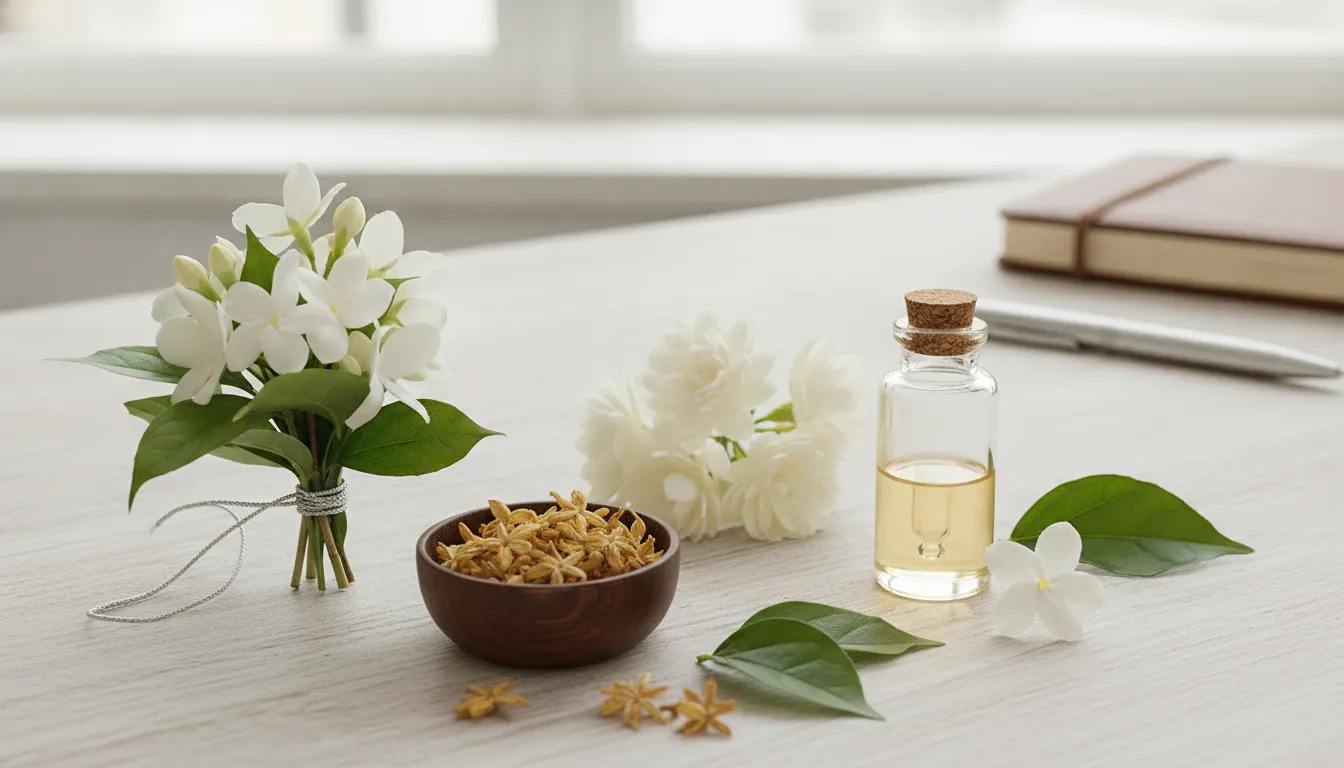
Choosing a jasmine plant can be trickier than the label suggests. Common names often overlap, and a plant called jasmine may not be a true jasmine at all. Even among true jasmines, a jasmine flower might be white, pink, or yellow, strongly scented or nearly scentless, and appear in different seasons. The best choice depends on your climate, available space, and what you want from the plant. We’ll cover the varieties worth knowing, how to identify them, and the care basics that support healthy growth and blooms. You’ll also learn what to consider before giving jasmine as a gift.
Key Takeaways
- Check the botanical name before choosing jasmine: True jasmine belongs to the Jasminum genus, and varieties differ in scent, bloom time, size, and cold tolerance.
- Match the plant to its growing conditions: Choose a variety suited to your climate and space, then provide appropriate light, well-draining soil, support, and seasonal care.
- Make jasmine a thoughtful, informed gift: Ask a local florist about availability and delivery, and confirm a plant’s identity before placing it near children or pets.
What Is a Jasmine Flower?
Jasmine is the name given to a diverse group of flowering plants, many of them known for star-shaped blooms and a sweet scent. The details vary by species, so checking a plant’s botanical name can help you know what to expect from its flowers, growth, and fragrance.
Identify Its Appearance, Growth, and Fragrance
True jasmines belong to the Jasminum genus, which includes more than 200 species in the olive family. Depending on the variety, a jasmine may grow as a climbing vine or a shrub, and it may keep its leaves year-round or shed them seasonally. Many species have small, star-shaped flowers in white, pink, or yellow. Some have a strong, sweet fragrance; others are lightly scented or have no noticeable scent. Bloom times vary, though many jasmine species flower in spring. The North Carolina Extension Gardener Plant Toolbox shares more details about jasmine’s appearance and growth habits.
Learn How Species, Weather, and Time Affect Its Scent
Jasmine fragrance varies by species, so a plant with “jasmine” on its label may not have the scent you expect. Many fragrant varieties release their strongest aroma in the evening or early morning. Weather can also change how noticeable the scent is: warm, still air may help it linger, while wind can disperse it. If you’re choosing jasmine for fragrance, check the botanical name and ask about the specific variety. The jasmine care guide from Gardenia.net explains why some varieties are especially fragrant at night or in the early morning.
Distinguish True Jasmine From Look-Alikes
Common names can be confusing: not every plant called jasmine is a true jasmine. True jasmine belongs to the Jasminum genus. Star jasmine, also known as Trachelospermum jasminoides, is a different plant, and night-blooming jasmine is not a Jasminum either. These plants may share fragrant flowers or climbing growth, but their care needs and characteristics can differ. When selecting a plant, look for its botanical name on the label instead of relying on the common name alone. Gardenia.net’s guide to jasmine varieties compares true jasmines with familiar look-alikes.
Which Jasmine Varieties Should You Know?
Jasmine includes many species, and their flower colors, fragrances, growth habits, and climate needs vary. Some grow as climbing vines and need a trellis or fence for support. Others form shrubs, spread along the ground, or grow well in pots. Knowing which type you’re considering can help you choose a plant that suits your space and the conditions you can provide.
Fragrance and bloom season are useful clues, but they don’t tell the whole story. A plant called “winter jasmine,” for example, has yellow flowers that are usually unscented, while star jasmine is fragrant but belongs to a different genus from true jasmines. Bloom timing can also shift with local weather and growing conditions.
Before buying a plant, check its botanical name on the label. This helps distinguish species with similar common names and gives you more reliable information about their care. Consider how much room the plant will need, whether you can provide winter shelter, and where you’d like to enjoy its flowers or scent. Here are six varieties to know.
Common Jasmine (Jasminum officinale): Fragrant White Climbing Flowers
Common jasmine is a vigorous climbing vine with clusters of small, star-shaped white flowers and a sweet, noticeable fragrance. It often blooms from summer into fall, though the timing varies with local conditions. Give it a trellis, fence, or arbor to climb, and consider planting it near a patio or doorway where you can enjoy the scent.
Choose a sunny, sheltered spot with well-draining soil. The plant can grow quite large, so allow room for its stems or plan to prune it after flowering. In colder regions, young plants may need winter protection. The Royal Horticultural Society’s guide to common jasmine shares further details about its growth and care.
Arabian Jasmine (Jasminum sambac): Fragrant Blooms for Warm Climates and Containers
Arabian jasmine is known for its intensely fragrant white flowers, which may appear singly or in small clusters. Its bushy growth makes it a good candidate for a container on a sunny patio or near a bright window. In warm climates, it can grow outdoors year-round. In cooler areas, grow it in a pot that can be moved indoors when temperatures drop.
Give Arabian jasmine warmth, bright light, and soil that drains well. Water when the surface of the soil begins to dry, and make sure excess water can escape from the pot. This species is also used to scent jasmine tea. For more on its growing preferences, see the Missouri Botanical Garden’s plant profile.
Pink Jasmine (Jasminum polyanthum): Pink Buds and Vigorous Growth
Pink jasmine stands out for its rosy-pink buds, which open into clusters of fragrant white flowers. It often blooms in late winter or spring, although the season depends on the climate. This fast-growing vine needs sturdy support, such as a trellis, and regular pruning to keep its stems in bounds.
In mild climates, pink jasmine can grow outdoors. In colder regions, consider a container you can move to a sheltered place, or grow it indoors in a bright spot. Use well-draining soil and avoid keeping it soggy. Because it grows vigorously, check how much space it will have before planting. The NC State Extension plant profile provides more information about its characteristics and care.
Winter Jasmine (Jasminum nudiflorum): Yellow, Usually Unscented Flowers
Winter jasmine brings cheerful yellow flowers to the garden in late winter or early spring, often before its leaves appear. Its blooms are usually unscented, so this variety is best known for its early color rather than fragrance. The arching stems can spread across a slope, trail over a wall, or be trained along a support.
Plant winter jasmine in well-draining soil in a sunny or partly shaded spot. Once established, it can be a useful choice for covering a bank or adding interest to a garden during the colder months. Prune after flowering to shape the plant and manage its size. The Royal Horticultural Society’s growing guide describes its flowers and preferred conditions.
Italian Jasmine (Jasminum humile): Yellow Blooms and Shrub-Like Growth
Italian jasmine has clusters of yellow, star-shaped flowers and a more shrub-like form than many familiar climbing jasmines. Its stems may arch or spread, and you can train them against a support if you want a more upright shape. The flowers are fragrant, and the plant typically blooms during the warmer months.
Choose a sunny position with well-draining soil, and leave enough space for the plant to spread. In a colder climate, check local growing guidance before planting it outdoors. A container can make it easier to provide shelter when needed. Common names sometimes vary, so look for Jasminum humile on the plant label. The Missouri Botanical Garden’s plant profile offers more information about its form and growing needs.
Star Jasmine: A Fragrant Look-Alike, Not True Jasmine
Star jasmine (Trachelospermum jasminoides) is not a true jasmine, but its white, star-shaped flowers and sweet fragrance make it a popular choice for gardens. This evergreen climber can cover a trellis, fence, or wall. With room to spread, it can also work as ground cover. Its flowers usually appear in late spring or summer, depending on the climate.
Plant star jasmine in well-draining soil in a sunny or partly shaded spot, and provide support if you want it to climb. When shopping, check the botanical name: star jasmine belongs to the genus Trachelospermum, while true jasmines belong to Jasminum. The Royal Horticultural Society’s profile of star jasmine explains its growth and garden uses.
Which Jasmine Suits Your Garden or Home?
The best jasmine for your space depends on your climate, the room you have, and what you want from the plant. Some varieties climb a trellis, while others grow as shrubs or fit neatly in containers. Their flowers also vary in color, scent, and bloom season.
Before you choose, check the plant’s hardiness and care needs. Winters differ across the Salt Lake City, Portland, and Seattle-Tacoma areas, so a variety that can stay outdoors in one spot may need protection or a move indoors in another. A local nursery can help you match a plant to your conditions.
Match the Variety to Your Climate and Space
Start with the lowest temperatures your garden typically experiences. Some hardy jasmine varieties can grow outdoors as shrubs or groundcovers in suitable climates. Tender types may do better in pots that you can move indoors when cold weather arrives. The North Carolina Extension Gardener Plant Toolbox describes differences in jasmine hardiness and growth habits.
Also consider your summer conditions and available light. A sheltered, sunny spot may suit one variety, while another may need protection from strong afternoon sun. If you’re uncertain how a plant will handle local weather, a container gives you more flexibility. Check the label for hardiness details, and ask a local garden center which varieties tend to grow well nearby.
Choose a Climber, Shrub, or Container Plant
Think about where you want the flowers to appear. Climbing jasmine can grow along a trellis or fence, but it needs sturdy support and enough room for its mature size. Shrub-like varieties work well in garden beds, where they can form a fuller shape without climbing. Check the plant’s expected size before choosing a spot.
For a patio, courtyard, or bright indoor space, consider a variety suited to pots. Arabian jasmine (Jasminum sambac) is compact and highly fragrant, making it a good option for containers, according to Gardenia’s guide to jasmine varieties. Choose a pot with drainage holes, and be ready to move tender plants indoors if temperatures fall.
Compare Flower Color, Fragrance, and Bloom Season
Jasmine flowers aren’t all white, and their fragrance and bloom times vary. Common jasmine (Jasminum officinale) has fragrant white flowers that can bloom from late spring into fall. Arabian jasmine (Jasminum sambac) also has strongly scented white blooms, usually in summer. Winter jasmine (Jasminum nudiflorum) brings yellow flowers in winter or early spring, but its blooms are generally unscented. MyPlantIn’s jasmine guide compares these varieties.
Use bloom season to choose when you’d like to see flowers in your garden or home. If fragrance is a priority, consider where you’ll place the plant: near a window, entrance, or seating area, for example. Scent strength can vary, so ask a seller about the specific variety rather than relying on the word “jasmine” alone.
Check the Botanical Name on Plant Labels
Common names can make it hard to tell plants apart. Not every plant called jasmine belongs to the Jasminum genus. Star jasmine, for example, is a fragrant look-alike with the botanical name Trachelospermum jasminoides, not a true jasmine. Checking the label helps you identify what you’re buying and find care instructions for that plant.
Look for a botanical name such as Jasminum sambac or Jasminum officinale. Then confirm the name with a reliable plant reference, such as Gardenia’s overview of jasmine types. Knowing the species can help you check its hardiness, expected flower color, and bloom season. If a label lists only a common name, ask the seller to identify the plant before you take it home.
How Do You Grow and Care for Jasmine?
Jasmine care varies by species. Before planting, check the botanical name on the label so you can match the plant to your climate, available space, and care routine.
Provide the Right Sunlight, Temperature, and Seasonal Care
Most jasmine grows well in full sun to partial sun. Aim for at least six hours of direct sunlight a day, though a little afternoon shade can help in especially hot locations. Choose a sheltered spot with good air circulation, and plant in spring or early fall, when temperatures are mild. Avoid planting during extreme heat, drought, or freezing weather.
Cold tolerance depends on the variety. Some types need warm conditions, while winter jasmine can handle colder winters. Check your plant’s needs and local growing conditions before putting it in the ground. Gardenia’s jasmine care guide offers additional advice on light, planting time, and seasonal care.
Choose Well-Draining Soil; Water and Feed Properly
Jasmine prefers fertile soil that drains well. Roots can struggle in waterlogged ground, so choose a spot where water doesn’t collect. For a container, use a well-draining potting mix and a pot with drainage holes.
During active growth, water when the soil surface begins to dry. Keep the soil evenly moist, not soggy, and check containers more often because they can dry out quickly. Feed in spring as new growth appears. A second light feeding in early or midsummer may help, but avoid applying too much fertilizer. Excess nitrogen can encourage leafy growth rather than flowers. For more on growing conditions, see the North Carolina Extension Gardener Plant Toolbox.
Prune and Support Climbing Varieties
Prune jasmine after it flowers. Some varieties form buds on growth from the previous season, so cutting them back at the wrong time can reduce the next flush of flowers. Remove dead or damaged stems, and trim lightly to keep the plant tidy. If you don’t know when your jasmine blooms, wait until flowering has finished before pruning more heavily.
Climbing jasmine needs a sturdy trellis, fence, or other support. Guide stems loosely across it so they have room to grow, and avoid tying them too tightly. Training branches horizontally or diagonally can encourage side shoots and a fuller display. Gardenia’s pruning guidance explains how to time pruning and train jasmine for healthy growth.
Grow Jasmine Indoors or in Containers
A container works well when garden space is limited or you need to move a tender jasmine indoors for winter. Choose a pot with drainage holes and use well-draining potting mix. Check the soil regularly, since pots dry out faster than garden beds, and water when the surface begins to dry. Empty any saucer beneath the pot so the roots don’t sit in standing water.
Indoors, place jasmine near a bright window and allow room for airflow. Arabian jasmine (Jasminum sambac) is a compact, fragrant option for containers, patios, and bright indoor spaces. Flowering may be limited if the plant doesn’t receive enough light. Compare species in Gardenia’s guide to jasmine varieties before choosing a plant for your home.
Protect Tender Jasmine Through Cold Winters
Jasmine’s cold tolerance varies by species, so check the botanical name and hardiness needs before winter. If you grow a tender variety in a pot, move it indoors before the first hard frost. Choose a bright location and water less often than you do during active summer growth. Check the soil first, and avoid keeping it continually wet.
For jasmine planted in the ground, follow local advice on winter protection. A sheltered spot can reduce exposure to cold winds, but it won’t make a tender variety suited to a harsh winter. Winter jasmine (Jasminum nudiflorum) is a hardier choice; the North Carolina Extension Gardener Plant Toolbox lists it as suitable for USDA Zone 6. Local conditions can vary, so confirm a plant’s hardiness before planting.
When Does Jasmine Bloom, and How Can You Encourage Flowers?
Jasmine’s bloom season depends on the variety, climate, and growing conditions. If your plant hasn’t flowered, start by checking its botanical name and the amount of light it receives. Small changes to care and pruning can help support a healthier display.
Check Bloom Seasons for Popular Varieties
Common jasmine (Jasminum officinale) typically produces fragrant white flowers from late spring through fall. Arabian jasmine (Jasminum sambac) usually blooms in summer, while pink jasmine (Jasminum polyanthum) tends to flower from late winter into spring. Winter jasmine (Jasminum nudiflorum) brings yellow flowers in winter or early spring, but its blooms are generally unscented.
These seasons can shift with local temperatures and growing conditions. Indoor plants may also follow a different schedule from those growing outside. Check the botanical name on the plant label rather than relying on “jasmine” alone, since different species have different bloom times. Compare popular jasmine varieties to see what to expect from your plant.
Adjust Sunlight, Watering, and Pruning to Support Blooms
Many jasmine varieties flower best with plenty of light. Aim for full sun to partial shade, with around six hours of direct sunlight when conditions allow. In hot climates, afternoon shade can help protect the plant from heat stress. If your jasmine is growing indoors, place it near a bright window and turn the pot periodically so the plant gets even light.
Keep the soil evenly moist, but avoid letting the roots sit in water. Water deeply after planting, then let the soil surface dry slightly before watering again. Choose well-draining soil, and use a pot with drainage holes for container-grown plants. The North Carolina Extension Gardener Plant Toolbox provides more guidance on jasmine’s growing needs.
Prune at the Right Time to Protect Future Blooms
Prune jasmine after it finishes flowering. Cutting it back at the wrong time may remove stems that would have produced flowers in the next season. Since bloom schedules vary, keep track of when your plant flowers before setting a regular pruning routine.
Use clean, sharp pruners to remove dead or damaged stems and shape the plant. For climbing varieties, trim excess growth and tie new stems to a trellis or other support. Avoid heavy pruning if you’re unsure of the variety or its flowering cycle. A light, well-timed trim is often enough to keep the plant manageable while preserving growth for future flowers. Learn more about pruning jasmine.
See How Weather and Time of Day Affect Fragrance
Jasmine’s scent can be strongest in the evening or early morning, depending on the variety. To enjoy the fragrance, try placing a potted plant near a patio or open window. In the garden, a sheltered spot can help you notice its perfume as you spend time nearby.
Weather also affects how much fragrance reaches you. Warm, calm conditions may make the scent easier to notice, while cool temperatures, rain, or wind can make it seem lighter. Not every plant called jasmine is fragrant, so check the variety before choosing one for its scent. Explore how jasmine’s fragrance varies to learn more about this distinctive feature.
What Jasmine Growing Problems Should You Watch For?
Jasmine often signals trouble through changes in its leaves, flowers, or new growth. Check the soil and growing conditions first, since watering, light, and seasonal changes are common causes of problems.
Check Watering and Drainage for Yellow Leaves and Root Rot
Yellow leaves can result from overwatering, uneven watering, poor drainage, cold stress, or nutrient problems. Before watering, feel the soil a few inches below the surface. If it is still damp, wait and check again later. If it feels dry, water thoroughly and let the excess drain.
Jasmine roots can suffer when they stay in waterlogged soil. Use well-draining soil, and make sure water can escape through the holes in a container. Empty the saucer beneath a potted plant after watering. Soft, dark roots or a persistent sour smell from the soil may signal root rot. Gardenia’s jasmine care guide explains how excess moisture and poor drainage can contribute to yellow leaves and root problems.
Review Sunlight, Pruning, and Plant Health if Flowers Are Sparse
When jasmine produces plenty of leaves but few flowers, check its light and pruning routine before changing its fertilizer. Many varieties need a sunny spot to bloom well, though their ideal conditions vary. Too much nitrogen can encourage leafy growth over flowers, so follow fertilizer instructions and avoid extra applications.
Pruning at the wrong time may remove stems that would have flowered. Find out whether your variety blooms on old or new growth, and, when possible, prune after it finishes flowering. A young plant may also need time to establish itself. Cold damage and root stress can affect flowering, too. The jasmine growing guide from Gardenia outlines common causes of sparse blooms and care adjustments to consider.
Check Leaves and New Growth for Aphids and Spider Mites
Inspect the undersides of leaves and the tips of new shoots for clusters of small insects, fine webbing, sticky residue, or speckled and curled leaves. Aphids often gather on tender growth. Spider mites are difficult to spot, but fine webs and stippled leaves can be signs of an infestation. Mealybugs and scale insects may also appear, particularly on stressed plants.
If you find pests, separate potted jasmine from nearby houseplants and rinse the leaves with water. Check the plant again over the next few days, and remove badly affected growth if needed. For persistent pests, use an insecticidal soap labeled for your plant, following the directions carefully. Spider mites can be more common indoors when the air is dry, so inspect indoor jasmine regularly.
Adjust Care for Containers and Changing Seasons
Potted jasmine usually needs more frequent watering than plants in the ground because potting mix can dry out quickly. Check the soil regularly, but don’t let the pot sit in standing water. Choose a container with drainage holes and use well-draining potting mix. If roots fill the pot, repot in spring and move up just one pot size. A much larger container can hold excess moisture around the roots.
Adjust care as temperatures and growth patterns change. In cold regions, move tender container varieties to a sheltered spot or indoors before temperatures drop too far. When growth slows, the plant may need less water, but check the soil so the root ball does not dry out completely. If you move jasmine indoors or outdoors, make the change gradually to help it adjust to the new conditions.
How Do People Use Jasmine, and What Does It Symbolize?
Jasmine is prized for its fragrance and delicate blooms, as well as the meanings it carries in different cultures. People use it in perfumes, teas, bouquets, and ceremonies. Its exact uses depend on the species, so check the plant’s botanical name before choosing jasmine for a recipe, gift, or arrangement.
Use Jasmine in Perfume and Home Fragrance
Jasmine’s sweet scent is a familiar note in perfumes and home fragrance. Some varieties are especially fragrant in the evening or early morning, though scent strength varies by species and growing conditions. If you’re choosing a jasmine plant for its fragrance, check the botanical name and look for a variety known for aromatic flowers. The Gardenia jasmine care guide offers details on fragrance and growing needs.
A living jasmine plant can bring a subtle scent to a patio or bright room, while perfume and essential oils offer a more concentrated aroma. Keep in mind that not every plant called jasmine is strongly scented. If fragrance is your main reason for choosing one, ask a nursery or florist to confirm the variety before you buy.
Learn How Jasmine Tea Gets Its Scent
Jasmine blossoms are used to flavor some green and white teas, along with syrups and desserts. The flowers lend a floral aroma that complements the tea’s own flavor. Some products include dried blossoms, while others may be scented with flowers that are later removed. The strength of the jasmine note depends on the blend and how it’s prepared.
Use only products sold specifically for food or brewing. A flower from a garden plant may be misidentified or treated with substances that aren’t intended for consumption. Even familiar plants can have varieties that differ in their uses, so don’t assume that a jasmine bloom is safe to eat. If you enjoy jasmine tea, choose a clearly labeled product from a reputable seller rather than harvesting flowers yourself.
Add Jasmine to Bouquets, Garlands, and Event Arrangements
Jasmine’s small flowers and graceful stems can add a fragrant, romantic touch to bouquets, garlands, and event arrangements. In several regions, jasmine garlands play a role in weddings and religious ceremonies. Arabian jasmine, Jasminum sambac, is known as sampaguita in the Philippines and melati putih in Indonesia, where it holds particular cultural significance.
Fresh jasmine can be delicate, and availability varies by season and location. If you’re planning an arrangement or sending flowers to someone in Salt Lake City, Portland, or the Seattle-Tacoma area, ask a local florist whether jasmine is available and how it will work with your design. A florist can recommend complementary flowers if jasmine isn’t in season, or help you choose a fragrant arrangement suited to the occasion.
Explore Its Cultural Ties to Love, Devotion, and Purity
Jasmine is often associated with love, devotion, purity, and spiritual life, but its meaning differs across cultures and traditions. Its fragrant flowers may appear in celebrations, religious observances, and welcoming gestures. A flower’s symbolism can also be personal: someone may connect jasmine with a family tradition, a meaningful place, or a special memory.
Arabian jasmine has a prominent role in the Philippines and Indonesia, where it is known as sampaguita and melati putih, respectively. It is the national flower of both countries and is used in ceremonial garlands and other traditions. The Aromatic Medicine School’s overview of jasmine describes some of these cultural uses. If you’re giving jasmine, consider adding a note about what inspired your choice. A personal message helps make the gesture thoughtful without assuming the recipient shares a particular tradition.
Understand Traditional Uses and the Limits of Health Claims
Jasmine has a history of use in fragrant oils and traditional skin preparations. You may come across claims that jasmine oil soothes skin or helps with aches and irritation. These descriptions reflect traditional use, not proof that jasmine treats a health condition. The Aromatic Medicine School’s discussion of jasmine can provide background, but it should not replace advice from a qualified health professional.
Essential oils are concentrated and may irritate skin or trigger an allergic reaction. Don’t ingest jasmine oil, apply it undiluted, or use it on a child without guidance from a clinician or pharmacist. If you’re considering a jasmine product for a health concern, check with a health professional first. For a floral gift or home fragrance, choose a product intended for that use and follow its label instructions.
Is Jasmine Safe for Pets and Children?
Safety depends on the exact plant. True jasmine belongs to the Jasminum genus, but several plants with “jasmine” in their common names are unrelated and may have different risks. Identify the plant before placing it near children or pets, and keep unknown plants out of reach until you can confirm what they are.
Identify the Plant Before Handling or Using It
Check the botanical name on the label rather than relying on the common name. True jasmine belongs to the Jasminum genus, while night-blooming jasmine, also called Cestrum nocturnum, is a different plant. The North Carolina Extension Gardener Plant Toolbox explains why identifying the species matters: common names can be confusing, and safety details for one plant may not apply to another.
If a plant has no label, ask the nursery or florist to identify it before setting it where children or pets can reach it. Don’t use appearance or fragrance alone to identify a plant, since unrelated species can look similar.
Keep Night-Blooming Jasmine and Unidentified Look-Alikes Out of Reach
Night-blooming jasmine is not a true jasmine and can be toxic if eaten. Its berries are a particular concern, so keep the plant away from children and pets who might touch or chew it. The Gardenia guide to jasmine varieties describes this risk and distinguishes night-blooming jasmine from true jasmine.
If you’re unsure what’s growing in your garden, treat it as unidentified until you can confirm its name. Move it somewhere inaccessible, or ask a local garden center or plant expert for help. Pick up fallen berries, leaves, and trimmed plant material promptly, and keep bouquets away from pets that tend to chew greenery.
Don’t Eat Garden Flowers or Use Them as Remedies Without Guidance
A pleasant scent doesn’t mean a flower is safe to eat. Don’t taste jasmine or other garden plants unless you’ve confirmed the exact species and know it’s intended for culinary use. The same caution applies to using jasmine as a home remedy. The Aromatic Medicine School’s jasmine information notes that its content is educational, not medical advice, and recommends consulting a physician about health uses.
Keep flowers, leaves, and berries away from children and pets, and don’t use blooms from a garden or bouquet to prepare food or drinks. If you’re considering jasmine tea or another product, choose one made for consumption and follow its packaging directions.
Contact a Veterinarian or Poison Control After Possible Exposure
If a child or pet may have eaten jasmine or an unidentified plant, move any remaining pieces out of reach and contact a professional promptly. If possible, identify the plant and note how much may have been eaten and when. A photo or plant label can help. Don’t try to make someone vomit unless a professional advises you to.
For a pet, call your veterinarian or the ASPCA Animal Poison Control Center. For a child in the United States, contact Poison Control online or call 1-800-222-1222. If someone has trouble breathing, collapses, or has a severe reaction, call emergency services.
How Can You Enjoy Jasmine as a Plant or Gift?
Jasmine makes a thoughtful gift for anyone who loves fragrant flowers or enjoys caring for plants. You can choose a living plant that may flower again with the right care, or a fresh arrangement for an easy way to enjoy its delicate blooms. The right option depends on the recipient’s space, climate, and preferences.
Choose a Living Jasmine Plant or Fragrant Arrangement
A potted jasmine plant can bring greenery and fragrance to a bright room, patio, or garden. Its growth and flowering depend on the variety and growing conditions, so check the plant label before you buy. Browse jasmine varieties and plants to compare their flower colors, fragrance, and growing habits.
Prefer a gift that’s ready to enjoy? Ask a florist whether jasmine can be included in a fresh arrangement. Its small, fragrant blooms can add a delicate touch, though availability may vary by season and supplier. If jasmine isn’t available, a florist can suggest another fragrant flower that fits the recipient’s style.
Consider the Recipient’s Space, Climate, and Care Preferences
Before choosing a living plant, picture where it will grow. Does the recipient have a sunny garden, a sheltered patio, or a bright indoor spot? Jasmine varieties vary in their cold tolerance and growth habits. Some grow outdoors in suitable climates, while tender varieties may do better in containers that can be moved to a protected space. The North Carolina Extension Gardener Plant Toolbox offers guidance on jasmine types and growing conditions.
Think, too, about how much care the recipient enjoys. A climbing jasmine may need support and regular pruning, while a fresh arrangement requires no ongoing plant care. If you’re unsure which plant to choose, ask a florist or garden specialist about its light, watering, and temperature needs.
Ask a Local Florist About Jasmine Availability and Delivery Options
Jasmine availability depends on the variety, season, and what a florist can source. If you’re sending a gift to Salt Lake City, Portland, or the Seattle-Tacoma area, contact a local florist to ask whether jasmine plants or cut flowers are available. A florist can also recommend an alternative with a similar fragrance or look if jasmine isn’t in stock.
For a same-day gift, check the delivery area and order cutoff before placing your order. Same-day delivery may be available, but a specific flower or plant can’t always be guaranteed. Share your budget, preferred colors, and delivery location so the florist can recommend an option that suits the occasion.
Frequently Asked Questions
Is jasmine a good plant for beginners? It can be, as long as you choose a variety suited to your climate and space. Start with a container-grown plant if you want more control over its light, watering, and winter protection. Check the botanical name on the label so you can follow care instructions for the right species.
Why is my jasmine growing leaves but not flowers? Too little sunlight, pruning at the wrong time, excess fertilizer, or stress from cold or watering can limit blooms. Check the plant’s light and care needs, and prune after flowering to avoid removing stems that may carry future buds.
Can jasmine grow indoors year-round? Some types can grow indoors when placed near a bright window and planted in a pot with good drainage. Flowering depends on the variety and conditions. If you’re bringing a potted jasmine indoors for winter, check for pests and reduce watering as growth slows.
Are jasmine flowers safe for pets? Safety depends on the exact plant. Some plants with “jasmine” in their common names are not true jasmines and may be harmful if eaten. Confirm the botanical name, keep unidentified plants out of reach, and contact a veterinarian if your pet may have eaten one.
Can I send jasmine flowers as a gift? Yes, though fresh jasmine may not be available year-round. Ask a local florist about current availability or a fragrant alternative. For a living plant, consider the recipient’s space, local climate, and interest in plant care before choosing a variety.

