
Ranunculus Flower Guide: Meaning, Care, and Growing Tips
Get to know the ranunculus flower—its meaning, care tips, and how to grow these layered blooms for bouquets, gardens, and thoughtful gifts.
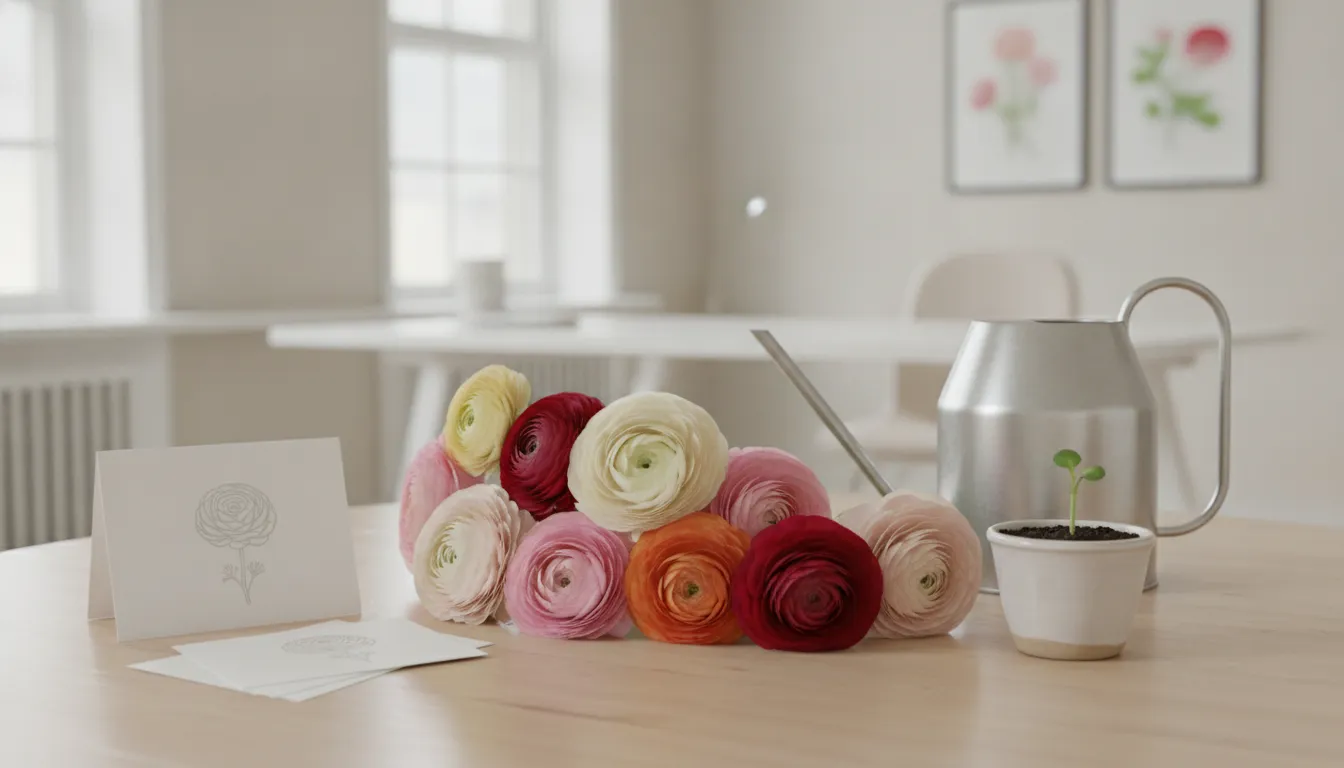
Some flowers make a statement through size; ranunculus stands out through detail. Each ranunculus flower opens into a rounded bloom packed with fine, delicate petals, bringing texture and color to bouquets, centerpieces, and small vase arrangements. These blooms pair beautifully with roses, lisianthus, and greenery, so you can shape a design that feels classic, relaxed, or bright. They also carry meanings linked with charm, beauty, and romance, making them a thoughtful choice for a partner, friend, or family member. Read on to learn how ranunculus grows, when to plant it, how to keep cut stems fresh, and where to find flowers for delivery around Salt Lake City, Portland, and Seattle-Tacoma.
Key Takeaways
- Choose ranunculus for a personal touch: Match bloom colors to the recipient or occasion, and pair them with complementary flowers for a fuller arrangement.
- Plant according to your local climate: Check frost dates and soil conditions, then give corms cool weather, good drainage, and room to grow.
- Keep bouquets fresh and handle blooms carefully: Use a clean vase, refresh the water, trim stems every few days, and keep the flowers out of reach of children and pets.
What Is a Ranunculus?
Ranunculus, often called Persian buttercup, is known for rounded blooms and delicate, layered petals. Its elegant shape suits everything from garden beds to special-occasion bouquets. Whether you’re choosing flowers for a celebration or sending a thoughtful gift to someone in Salt Lake City, Portland, or the Seattle-Tacoma area, ranunculus brings a soft, colorful touch to an arrangement.
Layered, rose-like petals
Each ranunculus bloom has many thin petals arranged in close layers around its center. Some varieties can have 100 to 130 petals, creating a full appearance while keeping the flower’s overall look light and delicate. The blooms open gradually: a tightly closed bud may reveal more layers and color as it unfurls. This changing shape adds interest to bouquets and pairs well with flowers that have simpler forms. For a closer look at its distinctive petals, read Boesen’s ranunculus flower guide.
Colors, sizes, and differences from roses
Ranunculus flowers come in colors such as pink, red, purple, cream, yellow, and orange. Their blooms are typically about 2 to 5 inches wide, though size varies by variety and growing conditions, according to Gardenia’s ranunculus guide. Like roses, ranunculus has layered petals, but the two flowers have different shapes. Ranunculus blooms often appear rounded and tightly packed, while rose petals tend to form a more familiar spiral. Their soft, full look makes ranunculus a lovely alternative to roses or a complementary flower in a mixed bouquet.
Corms and plant growth
Ranunculus grow from corms, which are underground storage structures that resemble small claws. They aren’t true bulbs, though both store energy that helps a plant begin growing. After planting, a corm develops roots and leafy stems, then produces flower buds. Larger corms generally hold more stored energy and may grow into stronger plants with more blooms, as Longfield Gardens explains. Understanding how ranunculus grows helps set expectations: the corm needs suitable conditions to establish itself before the plant can produce its signature flowers.
What Does Ranunculus Symbolize?
Ranunculus brings a romantic look and a range of meanings to a bouquet. Its symbolism can depend on the bloom’s color and the occasion, so it’s easy to choose a style that feels personal.
Charm, beauty, and romance
Ranunculus often symbolizes charm and attractiveness. Its many delicate petals create a full, layered bloom that feels both graceful and romantic. That look has made it a favorite in bridal flowers, as noted in the H Bloom flower glossary.
You can also send ranunculus to show someone you admire them or simply to brighten their day. A bouquet of these blooms feels thoughtful on its own, and they pair well with other seasonal flowers for a more personal arrangement. If you’re choosing flowers for a partner, consider a shade they love or add a short note to make your message clear. Ranunculus offers a lovely way to express affection without relying on roses alone.
How color shapes a flower’s message
The color of ranunculus can add another layer to its meaning. Yellow is often linked with joy and positive energy, while red suggests love and passion. Pink can express gentle affection, and purple is associated with mystery, beauty, and royalty. These color meanings appear in The Floratory’s ranunculus flower dictionary.
Let the recipient and occasion guide your choice. Red or pink blooms suit a romantic gift, while yellow can bring a cheerful touch to a birthday or a note of encouragement. Purple makes a distinctive choice for someone who enjoys rich colors. You can also combine shades to create a bouquet that reflects the recipient’s personality. Flower meanings are a useful starting point, but a favorite color can make the gift feel even more considered.
Ranunculus for weddings, anniversaries, and gifts
Ranunculus is a popular wedding flower, with rounded blooms that add texture to bridal bouquets, centerpieces, and ceremony arrangements. Its romantic appearance also makes it a natural choice for anniversaries and other meaningful gifts. Boesen’s flower dictionary suggests ranunculus for weddings, Mother’s Day, anniversaries, romantic gifts, and self-care occasions.
For a wedding, pair the blooms with greenery or seasonal flowers to suit the event’s style. For an anniversary, choose a color that has meaning for you as a couple, or simply pick a shade your partner loves. Ranunculus can also make an ordinary day feel special. Send a small arrangement to celebrate a personal milestone, share a little encouragement, or let someone know they’re on your mind.
How Do People Use Ranunculus?
Ranunculus bring layered color and a graceful shape to wedding flowers, thoughtful gifts, and everyday arrangements. Their full blooms can stand on their own or add texture to a mixed bouquet.
Bridal bouquets, centerpieces, and event décor
Ranunculus suit many wedding styles, from classic bouquets to relaxed, garden-inspired designs. Use them in bridal and bridesmaid bouquets, centerpieces, boutonnieres, corsages, or larger displays such as floral arches. Their range of colors makes it easy to coordinate the flowers with your event palette.
For a cohesive look, repeat ranunculus throughout the celebration while varying the size and shape of each arrangement. A bouquet might combine several blooms with greenery, while a centerpiece can feel looser and more seasonal. Flower Moxie’s ranunculus guide shares ideas for wedding arrangements and DIY floral designs.
Boutonnieres, corsages, and everyday arrangements
A single ranunculus can make a boutonniere or corsage feel special without adding too much bulk. Choose a smaller bloom and pair it with a little greenery for a comfortable, polished design. These wearable flowers suit weddings, dances, anniversaries, and other celebrations.
Ranunculus also bring a welcome touch of color to everyday spaces. Place a few stems in a small vase on a kitchen table, desk, or bedside stand. Their layered petals provide plenty of detail, so a simple arrangement can make an impression. The Boesen flower dictionary highlights ranunculus as a popular choice for occasions such as Mother’s Day, anniversaries, and romantic gifts.
Flowers and greenery to pair with ranunculus
Pair ranunculus with flowers that complement their rounded blooms. Roses create a full, romantic arrangement, while lisianthus adds a softer, more delicate look. Greenery brings contrast and helps frame the flowers, and airy filler blooms can add lightness without crowding the design.
To keep the arrangement balanced, choose a focused color palette and mix flower shapes and textures. Soft pinks and whites create a gentle look; brighter colors make a more vivid statement. Flower Moxie’s pairing ideas include roses, lisianthus, and greenery.
Seasonal gifts and fresh home arrangements
Ranunculus make thoughtful gifts for birthdays, anniversaries, Mother’s Day, or a simple “thinking of you.” Their symbolism is often associated with charm, joy, and romance, so you can choose a color that feels right for the occasion. A cheerful mix can brighten someone’s day, while a softer palette suits a more intimate gesture.
At home, display a fresh bouquet where you’ll enjoy it often, such as an entryway or dining table. For a personal touch, choose blooms in the recipient’s favorite colors. A local florist can help you select seasonal flowers and arrange same-day delivery in the Salt Lake City, Portland, or Seattle-Tacoma area.
What Helps Ranunculus Thrive?
Ranunculus reward a little attention to their growing conditions. Give them cool weather, plenty of light, soil that drains well, and enough room for air to move between plants. These basics matter whether you’re planting corms in a garden bed or adding a few containers to a patio.
Pay attention to moisture, too. Ranunculus need water as they grow, but their corms can rot if they sit in soggy soil. Check the soil before watering, and make sure pots have drainage holes. In warmer weather, a spot with afternoon shade can help protect the flowers from heat.
Planting time varies with climate. Portland and Seattle-Tacoma often have milder winters than Salt Lake City, but conditions can differ across each region. Use your local frost dates and growing zone to decide when to plant, rather than relying on a city’s typical weather. Longfield Gardens’ ranunculus guide offers more information on light, moisture, spacing, and climate.
Cool temperatures, full sun, and afternoon shade in warm weather
Ranunculus grow best in cool, spring-like conditions, with temperatures around 55°F. Choose a sunny location where plants can get plenty of bright light. In most climates, full sun helps them grow strong stems and produce flowers.
If your garden gets hot afternoon sun, give ranunculus some shade during the warmest part of the day. This is especially helpful as temperatures rise later in spring. A spot that works well in cool weather may become too hot as the season changes, so watch how much direct sun the plants receive. Adjusting their exposure can help protect blooms from heat stress. For guidance on light and other growing conditions, see Longfield Gardens’ advice.
Well-draining soil and steady moisture
Ranunculus need regular water while they’re growing, but their roots and corms should not sit in waterlogged soil. Soggy conditions can cause root rot, so choose a bed that drains well or use a pot with drainage holes. If your garden soil holds water, consider a raised bed or container.
Check the soil before watering. When the surface feels dry, water thoroughly and let excess moisture drain away. Good air circulation can help reduce the risk of powdery mildew, so avoid crowding plants. When possible, water the soil instead of the foliage. These straightforward habits give ranunculus the moisture they need without keeping their growing area too wet. Longfield Gardens also recommends avoiding soggy soil and allowing good airflow around plants.
Growing ranunculus in beds or containers
Ranunculus can grow in garden beds or containers, provided they have enough light and good drainage. In a bed, plant corms about 2 inches deep, with the claw-like side pointing down. Leave 5 to 8 inches between corms so each plant has room to grow and air can move between them.
Containers are a practical choice for patios, balconies, and small gardens. Choose a pot with drainage holes and leave at least 6 inches between plants. Fill it with a free-draining potting mix, and check the soil regularly. Containers can dry out faster than garden beds, especially in sunny or windy spots, so water when the soil begins to dry. Empty any water that collects in a saucer beneath the pot. For more planting details, consult Longfield Gardens’ growing guide.
Climate notes for Salt Lake City, Portland, and Seattle-Tacoma
Ranunculus planting time depends on winter temperatures. In warmer regions, generally USDA zones 8 to 10, gardeners often plant corms in fall for late-winter or spring blooms. In cooler regions, generally zones 4 to 7, plant in late winter or early spring after the threat of hard frost has passed.
Portland and Seattle-Tacoma often experience milder winters than Salt Lake City, but weather can vary within each area. Your yard’s elevation, exposure, and local conditions can affect when the soil is ready for planting. Check your growing zone and local frost dates before choosing a planting window. Longfield Gardens’ zone-based guidance can help you make a plan suited to your area.
When Should You Plant Ranunculus?
Plant in fall in mild-winter climates and spring in colder areas
Choose planting time based on your winter climate. In mild-winter areas, typically USDA zones 8–10, plant ranunculus corms in fall for late-winter or spring blooms. In colder regions, generally zones 4–7, plant in late winter or early spring after the threat of hard frost has passed. This gives the plants time to grow during cool weather before summer heat arrives.
For Salt Lake City gardeners, spring is often the safer option. Portland and Seattle-Tacoma gardeners may be able to plant in fall, though conditions vary between coastal neighborhoods and colder inland locations. Check your local forecast and growing conditions, and use Longfield Gardens’ ranunculus guide for more regional planting advice.
Check local frost dates and soil temperatures
Use your area’s frost dates as a guide, then check the soil before planting. The ground should be workable, cool, and not waterlogged. Avoid planting in frozen soil or when a hard freeze is expected. Ranunculus grows best in cool conditions, so planting too late, once warm weather has arrived, may make it harder for plants to establish.
Conditions can vary even within one city. A sunny, sheltered bed may warm sooner than a shaded garden, while higher elevations may stay cold longer. The USDA Plant Hardiness Zone Map can help you check your area’s typical winter temperatures. Use it alongside local frost dates and current conditions to choose a planting window that suits your garden.
Soak corms, plant claw-side down, and cover with about 2 inches of soil
Soak dormant corms in room-temperature water for three to four hours immediately before planting. This rehydrates them after storage. Don’t leave them soaking longer than recommended, since prolonged wetness can cause rot.
In a garden bed, place each corm about 2 inches deep, with its claw-like points facing down. Cover it with soil, then water gently to settle the soil around it. If you’re unsure which way the corm should face, look for the small pointed “claws” at its base. For more detail on preparing and planting corms, follow Longfield Gardens’ planting instructions.
Space corms 5–8 inches apart
Leave 5 to 8 inches between corms in garden beds. This gives each plant room to grow and allows air to move between leaves, which helps keep the foliage from staying damp. Even spacing also makes it easier to water the soil around the plants.
For a neat row or grouped display, measure the gaps before you plant. In containers, leave similar space between corms when the pot allows, and make sure it has drainage holes. A crowded pot can limit airflow and make watering more difficult. If your container is small, plant fewer corms rather than squeezing them together. Check the variety’s growing instructions, too, since mature plant size can vary.
How Do You Care for Ranunculus?
Ranunculus does best with consistent, thoughtful care. Keep the soil lightly moist, give plants room for air to circulate, and remove flowers as they fade. As the growing season winds down, let the foliage die back before lifting corms for storage.
Water and feed during growth, flowering, and dormancy
Once ranunculus is established, water when the soil begins to dry. The goal is soil that feels moderately moist, not soggy. Check the soil near the plant rather than relying on a fixed watering schedule, since weather and growing conditions can change how quickly it dries.
After leaves emerge, feed plants with a water-soluble fertilizer every two weeks, following the instructions on the product label. This gives growing plants regular nutrients as they develop leaves and flowers. Avoid applying more fertilizer than directed.
After flowering, the foliage gradually yellows as the plant enters dormancy. Reduce watering as growth slows, and don’t fertilize dormant corms. For more guidance on seasonal watering and feeding, read Gardenia’s ranunculus care guide.
Deadhead spent blooms and support tall stems
Remove flowers when they fade by cutting their stems back to the base of the plant. Deadheading keeps the garden tidy and encourages the plant to produce more blooms. Use clean, sharp pruners, and check plants regularly during the flowering season so spent flowers don’t linger.
Ranunculus stems can grow tall and bend under the weight of their blooms, especially after rain or wind. If stems need support, place stakes or a support ring near the plants and guide the stems gently into place. It’s easiest to add support before plants become top-heavy. Tie stems loosely, if needed, to avoid restricting their growth.
Gardenia’s growing advice recommends removing faded flowers to encourage more blooms.
Prevent problems with good drainage and proper spacing; avoid overwatering
Ranunculus needs regular water, but soggy soil can lead to root or corm rot. Plant it in well-draining soil, and consider improving heavy soil before planting. For containers, choose pots with drainage holes and empty any water that collects in the saucer.
Give plants enough space for air to move between their leaves. Crowded foliage can stay damp longer, creating conditions that favor powdery mildew. If plants are packed closely together, thin them as needed rather than letting them compete for airflow. Check the soil before watering, too: if it still feels wet, wait before adding more.
Boesen’s ranunculus care notes highlight the importance of avoiding soggy soil and allowing good air circulation around plants.
Water early to limit fungal issues
When possible, water ranunculus in the morning and direct water toward the soil. This gives any water that splashes onto leaves time to dry during the day. A drip line or watering wand can help keep foliage dry while delivering water to the roots.
Pay attention to the soil and weather instead of watering on a strict schedule. Soil may stay moist longer during cool, cloudy stretches, while sunny or windy conditions can dry it more quickly. Adjust how often you water based on what you see and feel around the plants.
Longfield Gardens recommends watering early so leaves have time to dry, which can help limit fungal issues.
Let foliage die back before lifting or storing corms
When flowering ends, leave the foliage in place until it yellows and dies back naturally. The leaves help the corm store energy for its next growing cycle, so cutting them off while they’re still green may affect future growth.
In regions with cold winters, lift corms after the foliage has died and before the first frost. Let them dry, then store them in a cool, dry place until it’s time to plant again. In milder climates, corms may be able to stay in the ground, provided the soil drains well and local winter conditions are suitable. Gardenia’s corm storage advice explains when to lift and store them.
How Long Do Ranunculus Last in a Vase?
Typical vase life and what affects it
With fresh water and a little care, cut ranunculus can last close to two weeks in a vase. Their vase life depends on how fresh the stems are when you receive them, the cleanliness of the water, and the temperature where you display them. Warm rooms and cloudy vase water can cause blooms to fade sooner.
Place your flowers in water soon after bringing them home, and check the vase regularly. Remove any leaves that sit below the waterline, since submerged foliage can break down and dirty the water. For more tips on keeping these blooms fresh, see this ranunculus care guide.
Choose firm buds just starting to show color
Ranunculus buds are ready for the vase when they feel firm and show their first hint of color. At this stage, the blooms can continue opening at home, revealing their many delicate petals over several days. Choosing a mix of bud sizes can also give your arrangement a natural, layered look as the flowers open at different times.
When selecting stems, look for healthy, upright buds without bruising or limp petals. If you’re cutting ranunculus from your garden, harvest them while the buds are firm and just beginning to show color. Longfield Gardens’ growing advice explains why this stage is a good choice for enjoying the flowers in a vase.
Use a clean vase, fresh water, and flower food
Wash your vase before arranging the flowers to remove residue that could affect the water. Fill it with fresh, cool water and add the flower food that came with your bouquet, following the packet directions. Flower food helps nourish cut blooms and supports a longer display.
Check the water every day or two. If it looks cloudy, rinse the vase and refill it with fresh water and flower food. Remove leaves that would sit below the waterline, and clear away any petals or foliage that fall into the vase. These small steps help keep the water clean and the stems hydrated. For additional advice, Boesen’s ranunculus care guide recommends clean water and a clean vase.
Cut stems at an angle and recut every few days
Before placing ranunculus in a vase, trim the bottom of each stem with clean, sharp scissors or floral shears. Cut at an angle to create more surface area for water uptake, then place the stems in the vase right away. Handle them gently as you arrange them, since their stems can be delicate.
Every few days, refresh the water and trim a small amount from the bottom of each stem. This removes the stem ends that have been sitting in water and helps the flowers continue to take up moisture. Farmgirl Flowers’ ranunculus care tips also recommend angled cuts and regular recutting. Pair this step with a clean vase and fresh water to give your blooms consistent care.
Keep arrangements cool and away from sun and heat
Set your ranunculus in a cool spot, away from direct sunlight, heating vents, fireplaces, and appliances that give off heat. Warm conditions can cause flowers to open and fade more quickly, while a cooler location helps them stay fresh longer. Avoid placing the vase near ripening fruit, too, since fruit releases ethylene gas that can affect nearby flowers.
Change the water about every two days, or sooner if it becomes cloudy. Rinse the vase when you refill it, and remove any blooms that have faded. These simple habits help keep the arrangement looking fresh as the remaining flowers open. A little attention to placement and water quality can make a noticeable difference in how long you enjoy your ranunculus at home.
Can Ranunculus Harm Pets or Children?
Ranunculus brings color to gardens and bouquets, but take care around children and pets. The plant’s sap can irritate skin, and eating it may cause illness. A few simple precautions can help you enjoy the flowers more safely.
The plant can irritate skin or cause illness if eaten
All parts of the ranunculus plant may be harmful if swallowed, and its sap can irritate skin. Eating it may cause stomach upset, though the effects can vary depending on the person or animal and how much was eaten. The Boesen flower guide describes these risks.
Keep children and pets away from ranunculus in the garden and in bouquets. If you’re choosing flowers for a home with a curious toddler, cat, or dog, ask your florist about alternatives that are a better fit. Remember that a flower arrangement can be tempting to investigate even when it’s placed on a table, so consider where your family and pets spend time.
Wear gloves when handling stems and wash your hands afterward
Wear gloves when cutting ranunculus, trimming stems, or arranging a bouquet to reduce contact with the sap. Try not to touch your face while handling the flowers, and wash your hands with soap and water when you’re done. It’s also a good idea to clean your tools and work surface, especially before preparing food.
If sap gets on your skin, rinse the area thoroughly. Stop handling the flowers if you notice irritation, and seek medical advice if it persists or worsens. These precautions are especially helpful when you’re preparing a centerpiece or refreshing a vase. The Boesen guide to ranunculus offers a useful reminder to handle the stems with care.
Keep plants, cut flowers, and vase water out of reach
Place ranunculus arrangements on a stable surface that children and pets can’t reach, away from table edges and play areas. In the garden, choose a spot that curious pets and young children don’t regularly explore. Remove fallen petals and leaves promptly so they don’t become an easy discovery.
Keep the vase out of reach, too. Children or pets may try to drink the water or knock over the arrangement. Although the plant itself is the main concern, keeping the whole display inaccessible is a simple way to reduce contact and spills. If you can’t find a safe spot for the flowers, consider choosing another variety for a shared living space.
Contact a veterinarian or poison-control service if someone ingests the plant
If a child or pet may have eaten ranunculus, contact a medical professional or veterinarian promptly for advice. Don’t wait for symptoms to appear, and don’t induce vomiting unless a professional instructs you to. If you can, note which part of the plant was eaten and how much, and keep a photo or sample nearby to help identify it.
In the United States, call Poison Control for guidance if a person has ingested the plant. For a pet, contact your veterinarian or an animal poison-control service. If someone has severe symptoms or trouble breathing, seek emergency help right away. For a pet with serious symptoms, go to an emergency veterinary clinic.
Frequently Asked Questions
Are ranunculus available year-round? Ranunculus are most often associated with the spring season, and availability can change throughout the year. Ask your local florist what’s currently in season and which flowers pair well with ranunculus.
What color ranunculus should I choose for a gift? Start with the recipient’s favorite colors, then consider the occasion. Pink and red can feel romantic, yellow makes a cheerful gift, and purple adds a rich, distinctive touch. A personal note can make your choice even more meaningful.
Can I order ranunculus for same-day delivery? Same-day delivery may be available in the Salt Lake City, Portland, and Seattle-Tacoma areas, depending on the arrangement and delivery location. Check with your local florist to confirm current options.
Are ranunculus a good choice for homes with pets? Ranunculus can be harmful if eaten, and the sap may irritate skin. Keep bouquets, garden plants, and vase water out of reach. If a pet may have eaten any part of the plant, contact a veterinarian promptly.
What should I do if my ranunculus buds are still closed? Place the stems in a clean vase with fresh water and flower food, then keep the arrangement in a cool spot away from direct sun and heat. The buds can open gradually over the next few days.

