
Wedding Centerpiece Ideas for Every Style and Budget
Explore wedding centerpiece ideas by table shape, season, and budget, with practical tips for scale, color, candles, and coordinating your flowers.
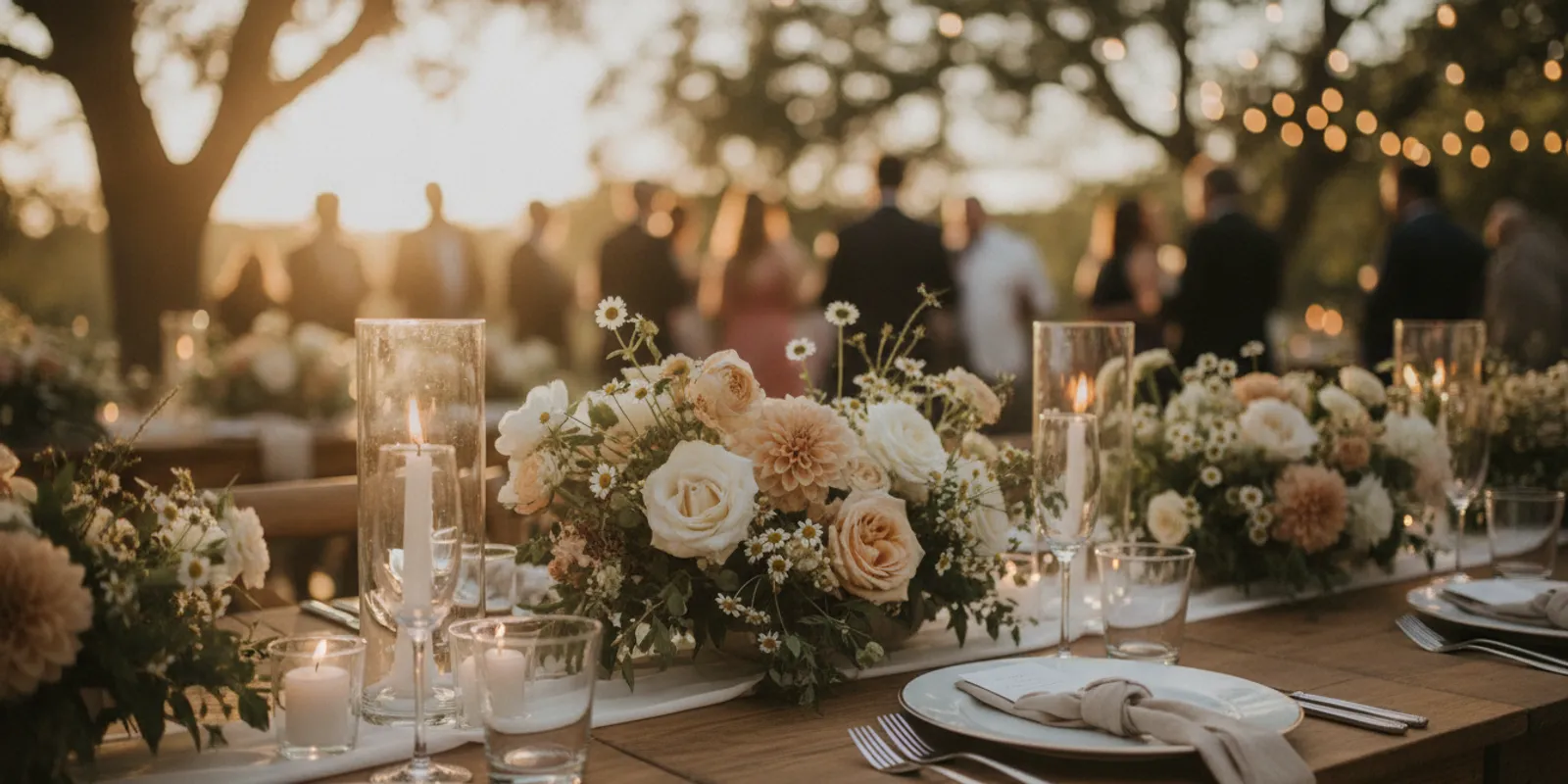
Choosing wedding centerpiece ideas can feel like a small decision with a big effect: guests see the tables throughout the reception, and the flowers help set the mood. Start with the practical details—table shape, room size, guest sightlines, and your overall floral budget—then choose a design that feels like your celebration rather than a separate decoration. Whether you are planning a handful of family tables or a larger reception, the ideas below will help you compare styles, discuss your priorities, and make a clear plan.
Call to discuss wedding flowers
What should you decide before choosing a centerpiece?
Before saving images or choosing flower varieties, gather a few details about the reception. A beautiful arrangement can still feel out of place if it blocks conversation, crowds the place settings, or does not suit the room. A simple planning checklist gives you a better starting point than selecting a centerpiece from a photograph alone.
- Table shape and size: Round, long rectangular, and mixed tables call for different arrangements and spacing.
- Guest count and seating plan: The number of tables affects how many centerpieces you need and whether every table should match.
- Venue rules: Ask about open flames, installation limits, table sizes, access times, and what must be removed at the end.
- Reception timing: A daytime gathering, candlelit dinner, and outdoor celebration have different lighting and practical needs.
- Floral priorities: Decide whether the centerpieces are a main focal point or one part of a broader floral plan.
Collect the venue's table dimensions if available, along with a floor plan or a few room photos. If the tables are not assigned yet, estimate how many will be used and whether some will be long banquet tables. You do not need every detail finalized before exploring styles, but a realistic layout helps you avoid choosing an arrangement that is too broad, too tall, or difficult to reproduce across the room.
Next, note the visual elements already in the space. Look at the wall and floor colors, table linens, chairs, existing light fixtures, and any built-in decor. A centerpiece should join these elements together. It does not have to repeat every color or material. Often one shared detail—such as a warm palette, natural greenery, or a repeated glass shape—is enough to create a coherent look.
How do table shape and guest sightlines affect the design?
Guests spend much of a reception seated, so sightlines matter as much as the arrangement's appearance from across the room. When guests can see and speak to one another easily, the tables feel welcoming. Think about the centerpiece from a seated guest's view, not only from a standing view in a styled photograph.
Round tables
Round tables often work well with one central arrangement. A compact design keeps the center clear for shared dishes, if food will be placed on the table, and leaves room for glasses and place settings. A round floral shape can feel balanced from every seat. If you want a more relaxed look, a low arrangement with flowers and greenery extending gently to the sides can soften a formal table without taking over the surface.
Long banquet tables
For a long table, choose between one continuous design, several smaller arrangements, or a repeating pattern of flowers and other accents. Several small pieces can be easier to space around place settings and can create a rhythm down the table. A continuous runner may look lush, but it needs enough room for plates, serving pieces, and any candles. Ask the venue how wide the table is and whether guests will be sharing food before choosing a design that fills the center.
Mixed table layouts
If your reception includes both round and long tables, the centerpieces do not need to be identical. Use one connecting element, such as a shared color palette or flower mix, and adapt the shape to the table. For example, a round arrangement on each circular table can pair with a line of smaller arrangements along a banquet table. This approach feels coordinated without forcing one format into every space.
Whatever the table shape, consider the full tabletop. Guests need space for menus, favors, water glasses, shared plates, and the movement of servers. Ask the venue or planner about the intended place setting and service style. A centerpiece that looks appropriately sized on an empty table may feel crowded once everything is in place.
Which low centerpiece ideas work well for conversation?
Low arrangements are a dependable choice when guests will be seated around the table and conversation is a priority. Flowers stay visible without turning the center of the table into a wall. Low designs can also work in rooms with lower ceilings, where a tall arrangement may feel visually heavy.
Here are several directions to consider:
- Garden-inspired bowl: A rounded arrangement with a natural outline can feel soft and abundant. Choose a restrained palette if you want the shape and texture to stand out.
- Compact seasonal grouping: A small cluster of blooms in a simple vessel gives each table a focal point while preserving usable space.
- Loose greenery and flowers: A few stems arranged with airy foliage can suit a relaxed dinner or outdoor reception.
- Bud-vase collection: Several small vessels grouped together create a light, flexible look. They can be spaced apart to make room for place settings.
- Low floral runner: A narrow arrangement along the center can connect a long table. Keep its width in proportion to the table and the items guests need to reach.
Low does not have to mean plain. Interest can come from the shape of the blooms, variation in petal size, foliage, vessel texture, and the contrast between a few focal flowers and smaller supporting stems. If you like a lush look, you can use a broader footprint rather than added height. If you prefer a simple look, repeat a limited number of flower types and let the open space remain part of the design.
Consider the surface underneath the arrangement, too. A clear glass vessel can feel subtle on a patterned tablecloth, while a ceramic or colored vessel may show up better on a plain linen. A low centerpiece also offers room for a table number or menu, but place those items where they can be read without hiding the flowers. If each table has a different number or name, tell your florist how the signage will be displayed.
When might a taller centerpiece be the right choice?
A taller centerpiece can add height and draw the eye upward, especially in a large room with high ceilings. It can also create a strong focal point when the tables are widely spaced. The key is to choose a design that feels balanced in the room and does not interfere with guests' views or the venue's rules.
Before choosing height, ask whether the arrangement will sit above guests' eye level or remain below it. A narrow, elevated design may leave the central view open, while a broad design at face height can interrupt conversation. The final answer depends on the arrangement's height and width, the chairs, and how the tables are spaced. If possible, discuss the approximate dimensions with the person responsible for the room layout.
Tall designs can also require a base, stand, or vessel that is stable on the table. Ask who supplies it, how it is secured, and who removes it after the reception. If the venue restricts hanging decor, floor protection, or installation time, share those rules before settling on an idea. A design that is simple to set out can be preferable to a more elaborate option that depends on access or equipment you do not have.
One way to keep a room from feeling too uniform is to mix heights thoughtfully. You might use tall pieces on a few focal tables and lower designs on guest tables. Another option is to use taller pieces only if the room has ample vertical space and the table layout allows clear views. The choice should follow the venue and seating plan, not a rule that every centerpiece must be tall to feel special.
How can flowers, greenery, and candles work together?
Flowers, foliage, and candles can make a table feel layered. Each element has a different role: flowers add color and a focal point, greenery can connect the design across a surface, and candles introduce a warm point of light. You can use all three, but they need enough room to sit safely and comfortably alongside the table settings.
For a flower-forward arrangement, let the blooms lead and keep the other elements quiet. For a greenery-forward design, use a simple floral accent or a few clusters of blooms to keep the table from feeling one-note. For a candle-led setting, ask the venue whether open flames are allowed and what kind of holders are acceptable. Some venues require enclosed flames or flameless candles, and some prohibit candles altogether. Confirm the rule rather than assuming.
Place candles so that flames are not near foliage, fabric, paper menus, or other flammable materials. Leave enough room for guests and staff to move comfortably. If you choose flameless candles, check that the venue allows them and that their appearance fits the reception. A candle arrangement is only practical if it works with the venue's safety requirements and the service plan.
Scale is important when layering elements. A low flower arrangement, several candle holders, place cards, and a table number can quickly fill a small tabletop. Try mapping the design on a table at home using objects of similar size, or ask the venue for a sample layout. A quick mockup can reveal whether guests will have room for glasses and plates before you commit to a full set of pieces.
How do you choose a color palette that feels cohesive?
Start with colors already present in your wedding plans: attire, linens, stationery, and the venue. Then choose whether the centerpiece should blend in or provide contrast. A palette of related soft colors can feel calm, while a small area of deeper color can create a focal point. Neither approach is more correct; the goal is to make the flowers feel connected to the celebration.
It can help to describe the mood rather than prescribe an exact shade for every stem. Words such as soft, vivid, airy, warm, or restrained provide direction while leaving room to select appropriate flowers. If you have a specific color that matters, bring a fabric swatch or a printed reference. Screens and photographs can display color differently, so use an actual material sample when accuracy is important.
Choose one or two leading colors and decide how much contrast you want. A simple plan might include a dominant light color, a supporting hue, and greenery. A bolder plan might use a strong color against a neutral base. If the room already contains patterned linens or colorful decor, a quieter floral palette can give the eye a place to rest. If the tables and room are neutral, more saturated flowers can add energy.
Remember that a color palette is not a promise that every flower will match an exact swatch. Flower availability and natural variation can affect the final appearance. Share what matters most: perhaps a color family, a particular overall mood, or one meaningful accent. When you can be flexible about minor variation, the design can stay coherent while adapting to the flowers selected for the arrangement.
Which centerpiece ideas suit different wedding styles?
Style is easier to describe when you connect it to the room and the rest of your choices. Rather than asking only for a trendy arrangement, consider how formal the reception feels, what materials are already present, and how you want guests to experience the table. These examples can help you explain the direction you have in mind.
Classic and formal
For a classic reception, consider a balanced arrangement with a clear shape, a focused color palette, and a vessel that complements the table setting. Repetition across the tables can make the room feel orderly. You can add dimension with a few different flower sizes or foliage textures, but a limited palette often keeps the design elegant and easy to coordinate with formal linens and place settings.
Garden-inspired and relaxed
A garden-inspired table can use an airy outline, varied textures, and a less symmetrical shape. Small vessels or low clusters can suggest flowers gathered for the occasion without making every table look identical. Keep the overall palette connected so that natural variation feels intentional. This direction often suits spaces where wood, greenery, or outdoor views already contribute to the atmosphere.
Modern and minimal
For a modern look, reduce the number of elements and pay attention to shape, spacing, and contrast. A few selected stems in a simple vessel can make a clear statement. Repeating the same form across tables can reinforce the clean, structured look. Keep table numbers, candles, and other accents visually simple so they support rather than compete with the arrangement.
Romantic and candlelit
A romantic table can combine soft-toned flowers, gentle foliage, and candlelight where the venue permits it. Varying the heights of the candles can add dimension, but leave open space around the flowers and place settings. In a darker room, ask how the arrangement will look under the venue's actual lighting. Colors that appear delicate in daylight may read differently under warm evening light.
Seasonal and nature-led
A seasonal direction takes cues from the time of year without requiring a literal theme. You can communicate the mood—fresh and bright, warm and textured, or simple and airy—and ask which flowers and greenery suit it. This lets the centerpiece feel connected to the season while keeping the table appropriate for the venue and occasion. If a particular flower is essential, ask about availability early and discuss a backup plan.
How can you adapt wedding centerpiece ideas to the season?
Season affects the feel of the design, but it should not be treated as a rigid checklist. A wedding does not need to use a certain flower simply because it is associated with a particular month. Start with the mood you want, then discuss options that fit your date and palette. If you have a must-have flower, flag it early so there is time to confirm whether it can be included.
For a spring feeling, you might favor light color, fresh-looking shapes, and a sense of movement. For summer, a brighter palette can feel lively, while a restrained arrangement may suit a formal evening. Autumn tables can draw on warmer tones and richer textures. Winter designs can feel crisp and simple or layered and welcoming, depending on the room. These are starting points, not rules that should override your personal taste.
Seasonal flexibility can also help you make choices when a particular stem is unavailable or does not suit the overall arrangement. Ask what alternative would preserve the qualities you care about: color, shape, texture, or the feeling of abundance. That question is more useful than asking for a substitute that looks exactly like the original in every detail. It gives the designer room to maintain the overall effect.
Think about the setting as well as the calendar. An outdoor reception may benefit from arrangements that feel grounded in the landscape, while a formal indoor room may call for a more structured design. Weather, temperature, and the amount of time the flowers will be displayed can affect planning. Ask the venue and floral team about any conditions that could shape setup or placement, especially if the event includes outdoor tables.
How can you plan centerpieces for a limited budget?
Begin with the total floral budget, then decide how much of it should go to centerpieces. Wedding flowers can include personal flowers, ceremony pieces, reception arrangements, delivery, setup, and other design elements, so the centerpiece amount is only one part of the picture. If you do not know the final budget yet, a comfortable range is still useful. It helps the florist suggest a scale that is realistic before you become attached to a design that may not fit.
Williams Flower & Gift offers wedding consultations and custom arrangements, and its company information lists wedding and event florals in a range of $2,000 to $5,000 per event. Treat that as planning context rather than a quote for your specific wedding. The number of arrangements, design choices, venue requirements, and the scope of the event all affect an individual plan. Ask for clarification about what is included in the proposal and which details could change the total.
If you are trying to make the budget go further, focus your floral spending where guests will notice it most. You might choose a few more prominent pieces for the head table or another focal area, then use simpler designs for other tables. You can also reduce the number of separate decorative elements and make a smaller set of choices work harder. A thoughtful plan does not require every table to have a large, elaborate arrangement.
- Use one centerpiece format on most tables: Repeating a straightforward design can simplify the overall plan.
- Mix focal and supporting tables: Reserve more elaborate designs for the places you most want to emphasize.
- Keep the palette focused: A clear color direction can make different arrangement sizes feel related.
- Discuss flexibility: Ask whether a similar overall look can be achieved with adaptable flower choices.
- Check what the venue already provides: Existing stands, candles, or table details may affect what you need to source.
- Ask about repurposing: Find out whether a ceremony arrangement can be moved to the reception and who would handle it.
Do not compare proposals by one line item alone. One estimate may include setup or a broader set of floral pieces while another may describe only the arrangements. Review the quantity, size, vessels, setup, delivery, breakdown, and any taxes or fees shown in each proposal. If something is unclear, ask for the item to be explained in plain language. This is the best way to understand what the proposed total covers.
If you want to keep costs predictable, say which parts of the design are essential and where you are open to alternatives. For example, you might prioritize a certain palette and low profile but remain flexible about the exact flowers. A clear priority list makes it easier to revise a proposal without losing the look you care about. It also avoids spending time on changes that do not matter much to you.
How many centerpieces will you need?
The number of centerpieces usually follows the final table plan, not the guest count alone. A small guest list seated at several small tables may need more arrangements than a similar number of guests at a few long tables. Ask the venue or planner for the expected number and type of tables, then confirm whether the layout may change. Use that estimate to prepare a preliminary floral plan and update it once seating is settled.
For round tables, planners often begin with one central design per table, then adjust based on table size and the look desired. For long tables, count the number of arrangements or the length of any runner rather than applying a round-table formula. You may also have a sweetheart table, head table, welcome area, or other focal surface that needs a separate design. Make a list of every location where flowers are expected so those pieces are not forgotten in the count.
Keep a record of the final quantity and table names or numbers. If the design varies between tables, note which arrangement belongs where. This is especially useful when the seating chart changes or the venue has multiple rooms. Confirm who will place each arrangement and whether the floral team will have a chance to review the tables before guests arrive.
What should you ask before ordering wedding centerpieces?
A clear conversation early in the process can prevent surprises later. Bring a few reference images, but describe what you like about each one. Is it the color, overall shape, height, texture, or the way the flowers sit on the table? Saying what attracts you helps distinguish the essential elements from details that can be changed.
Useful questions include:
- What information do you need about my venue and table layout?
- How will the centerpiece scale work with the table dimensions and place settings?
- Which parts of the reference image are realistic priorities for my date and budget?
- What is included in the proposed floral scope, and what is not?
- Are the vessels, stands, candles, or other tabletop items included or supplied separately?
- Does the venue allow the proposed setup, open flames, or installation method?
- When will the flowers be delivered or set out, and who will be present at setup?
- What happens if a particular flower is unavailable?
- Who removes or collects any rented items after the reception?
- How should I update the final table count if the seating plan changes?
Share the event date, venue, approximate guest count, expected table layout, preferred palette, and budget range. If you already have a planner or venue contact, ask for any written rules about access, setup, and flame use. These details give the floral team a practical brief. You can then focus the conversation on the choices that shape the look rather than trying to solve venue logistics at the last minute.
It is also useful to agree on how much variation is acceptable. Some couples want every centerpiece to match closely; others prefer each one to have small differences. Explain your preference, particularly if you are combining round and banquet tables. A shared palette and consistent vessel can tie together arrangements with different shapes, while matching forms can create a more formal, uniform presentation.
How do centerpieces fit with the rest of the wedding flowers?
Centerpieces have the strongest effect when they belong to the same overall floral plan as the ceremony flowers and personal flowers. They do not all have to be identical. Instead, repeat selected colors, shapes, or textures so the wedding feels connected from one area to another. A table arrangement can be more compact than a ceremony focal piece and still feel part of the same design.
Make a list of floral needs by location: ceremony, reception tables, couple's table, welcome area, and any other planned spaces. Mark which pieces are essential and which are optional. If you are considering moving flowers from the ceremony to the reception, ask who will transport and reposition them and whether the timeline allows it. Do not assume a piece can be relocated without a person assigned to do so.
Keep the table design in proportion to the other decor. If the ceremony features a large floral focal point, the reception can use simpler arrangements that repeat the colors. If the reception is the primary setting, you may decide to invest more in the tables and keep other areas understated. A consistent visual story does not mean equal spending or equal flower volume everywhere. It means the parts feel intentionally related.
For additional inspiration, browse the available bouquet styles to identify colors and forms you like, then explain how you want to adapt those ideas for a tabletop. A bouquet and a centerpiece serve different purposes, so use the examples to communicate taste rather than assume a design can be transferred unchanged.
What should you plan for at the venue?
Venue details can determine which centerpiece ideas are practical. Ask about table dimensions, the number of tables, linens, room access, setup windows, restrictions on flame, and what happens to decor at the end of the night. Some venues provide certain tabletop items; others expect couples to arrange them. Confirm the details in writing and share them with anyone responsible for the floral plan.
Ask about the time between setup and the reception. The schedule may affect when arrangements can be placed and who can enter the room. If the design includes candles, fragile vessels, or a long installation, make sure the timeline allows for safe setup. If the venue has an event coordinator, share the proposed design or a reference image and ask whether there are known restrictions.
Consider guest movement as well. The centerpiece should not make it difficult to reach the table, pass dishes, or move between chairs. If there is a buffet or family-style service, the usable surface matters even more. Ask whether table numbers, menus, or favors need designated positions. Planning these details in advance makes it easier to choose an arrangement that looks finished and still lets guests use the table comfortably.
If the reception is outdoors or in a space with changing temperatures, ask how those conditions affect the flowers and setup plan. Find out whether the tables will be moved, whether the area is covered, and when the room or outdoor space becomes available. Avoid assuming that a design photographed indoors will behave exactly the same way in another setting. Your florist and venue can help identify the practical considerations for the actual space.
How do you make the final choice with confidence?
When two options both appeal to you, compare them against the same criteria rather than looking only at photos. Ask which one suits the table dimensions, leaves room for conversation, follows venue rules, and works within the budget. Then consider how it relates to the other flowers and decor. A useful choice is one that fits the setting and your priorities, not simply the option with the most detail.
Try describing your preferred centerpiece in one sentence. For example: “Low, garden-inspired flowers in a soft palette, with room for place settings and no open flame.” This gives the floral team a concise brief. Add the parts that are non-negotiable, such as a particular color family or a preference for low arrangements. Then note where you are happy to be flexible, such as the exact flowers or vessel style.
Review the final proposal carefully. Check table quantities, approximate size, colors, vessel details, setup responsibilities, and any other included pieces. Confirm that the date, venue, and agreed scope are correct. If the seating plan changes, communicate the update promptly. Keep the proposal and venue rules together so everyone working on the event can refer to the same information.
Williams Flower & Gift provides wedding consultations and custom wedding and event florals. To discuss your plans, you can learn more about Williams Flower & Gift or call with your event date, venue, approximate table count, style references, and budget range. If you are still shaping the design, that information is enough to start a practical conversation without having every detail settled.
Call to discuss your wedding centerpiece plans
What are common questions about wedding centerpieces?
Should every table have the same centerpiece?
No. Matching designs can make a room feel formal and consistent, but you can also use coordinated variations. Repeat a palette, vessel, or flower style across the tables, then adapt size and shape for round and long tables. Decide whether you prefer close matching or small differences and tell the floral team before the design is finalized.
Are low centerpieces better than tall ones?
Neither height is best for every reception. Low arrangements are a natural choice when easy conversation is important or the room has lower ceilings. Taller arrangements can suit a large room with ample vertical space, but their shape and placement should preserve sightlines. Consider the table, room, venue rules, and guest experience together.
Can I use candles with a floral centerpiece?
Possibly, but check the venue's rules first. Some locations permit only enclosed flames or flameless candles, while others prohibit them. Leave space between flames, flowers, greenery, and table materials, and make sure the candles do not crowd place settings. Confirm who supplies, lights, and removes them.
When should I finalize the centerpiece count?
Use an early table estimate to begin planning, then confirm the count once the venue layout and seating plan are settled. Tell the floral team promptly if the number or shape of tables changes. The final quantity should include every reception table and any separate focal surface that needs flowers.
What if I do not know which flowers I want?
You can begin with the mood, color family, arrangement height, and budget rather than naming specific flowers. Bring a few images and explain what you like in each one. If you have a must-have flower, say so early; otherwise, remain open to alternatives that preserve the overall look you want.
How can you make the tables feel like part of your celebration?
The strongest centerpiece is not necessarily the tallest or most elaborate. It is the one that suits the room, leaves guests comfortable, and supports the atmosphere you want to create. Start with the table plan and venue rules, set your floral priorities, and choose a design that works with the rest of the celebration. With those decisions in place, wedding centerpiece ideas become easier to compare and the final tables can feel thoughtful, welcoming, and distinctly yours.

