
How Much Do Wedding Flowers Cost? A Budget Guide for Utah Couples
Wedding flower cost in Utah depends on the pieces, scale, and service you choose. See the factors, priorities, and questions to ask before requesting a custom quote.
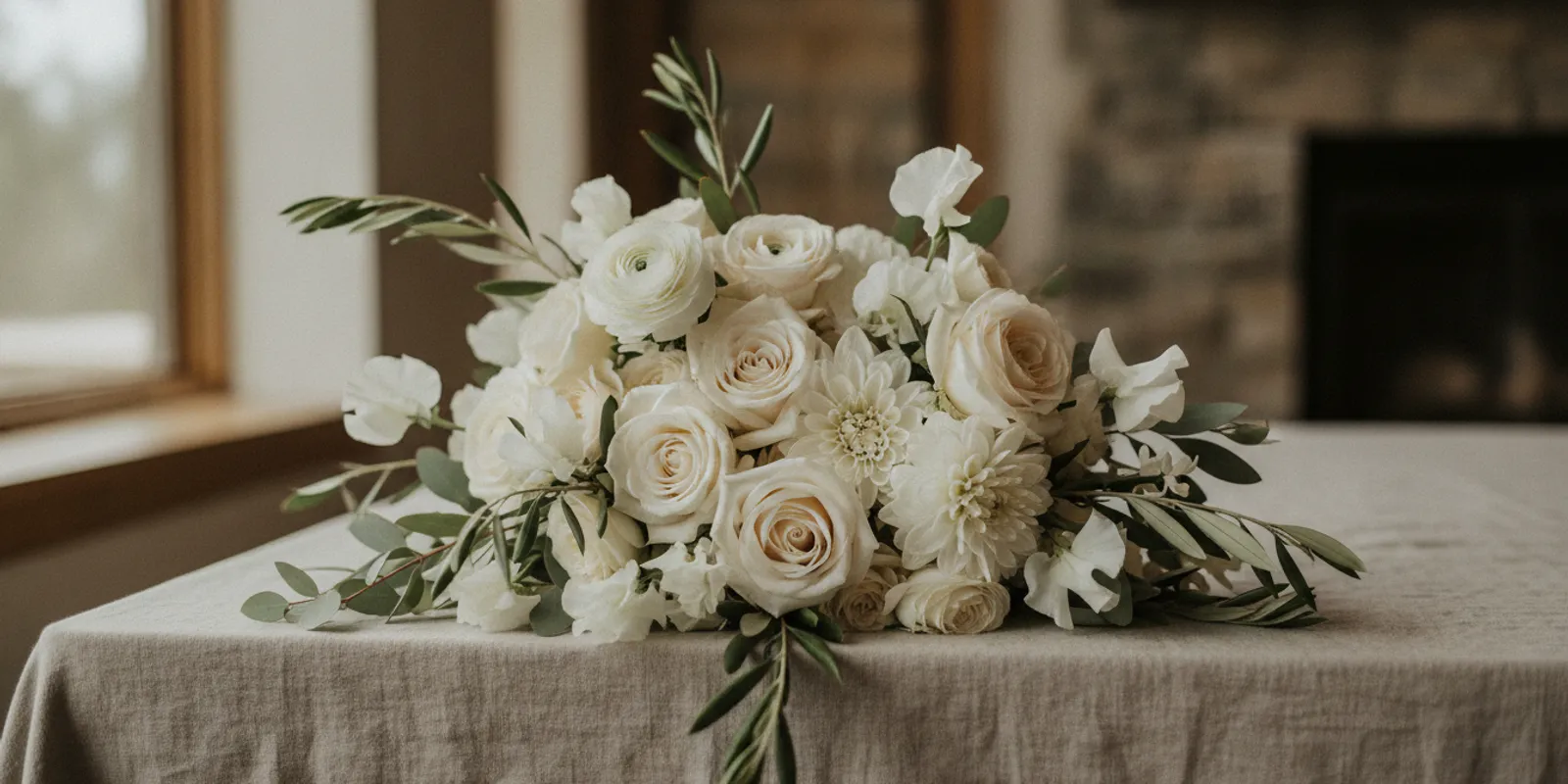
Wedding flower cost in Utah depends on the pieces you choose, the scale of your celebration, and the service involved. A bridal bouquet and a few personal flowers call for a different plan than ceremony flowers, reception centerpieces, and coordinated delivery. Williams Flower & Gift is a third-generation family florist with more than 40 years of floral experience. This guide will help you set priorities and ask clearer questions before requesting a wedding floral quote.
Call to discuss your wedding flowers
What does wedding flower cost in Utah include?
A floral quote reflects the particular work and materials in your plan. Flowers are only one part of the picture. Design, quantities, preparation, delivery, and any requested setup can all affect the scope. Williams Flower & Giftâs wedding and event florals are typically quoted in the $2,000â$5,000 range. Treat that as a general planning reference, not a fixed package or promise that every wedding fits within it. A smaller order focused on personal flowers may have a different scope, while an event with multiple floral areas and custom details may call for a more involved proposal.
Before comparing quotes, check that they describe similar items. One proposal might include bouquets and boutonnieres; another might also cover ceremony arrangements, reception pieces, delivery, and installation. Comparing totals without comparing inclusions can make one option look less expensive simply because it covers less. Ask what exactly will be designed, delivered, and placed for the quoted amount. Delivery fees vary by location and order size and are calculated at checkout; ask how event delivery and setup appear in the proposal.
Which choices have the greatest effect on the budget?
Start with the number and size of arrangements. A few personal pieces use a different amount of material and preparation than flowers for the ceremony, cocktail hour, dining tables, and additional spaces. Even within one category, a compact bouquet and a large, full design have different requirements.
- Number of pieces: Count bouquets, boutonnieres, corsages, ceremony arrangements, and reception pieces separately.
- Scale: A fuller design generally needs more flowers and more preparation. Describe the effect you want rather than relying only on a category name.
- Flower selection: Specific varieties, colors, and availability can influence the proposed design for your date.
- Custom details: A distinct look or coordinated set of pieces may need additional consultation and preparation.
- Logistics: Venue access, timing, number of locations, delivery, and setup affect the work involved.
These factors work together. A few statement pieces can still be a detailed project, while a larger collection of simple pieces may use substantial quantities. âFlowers for the ceremonyâ might mean a restrained accent or a noticeable focal design. Use images and plain descriptions to align expectations. Tell the florist where and when each arrangement will be used so that the proposal reflects the event rather than a vague idea.
How can you set a wedding flower budget?
Begin with an amount you are comfortable considering for florals, then divide your list into priorities. The purpose is not to calculate an exact formula. It is to show the florist what matters most, so the proposal can focus on those pieces first. Decide whether flowers should carry personal meaning, frame the ceremony, soften a reception room, or connect several spaces.
- Name must-haves. Identify the pieces that matter most, such as personal flowers or a ceremony focal point.
- Separate essentials from extras. Mark what you would keep if the plan needed to be simplified and what you could reduce or remove.
- Share event context. Provide the guest count, venues, table plan if known, and spaces you want to highlight.
- State your working budget. Explain whether it includes delivery, setup, or other event costs.
- Request a scoped proposal. Ask for the items, quantities, and services included.
A âkeep, adapt, or removeâ list is useful. One couple might keep personal flowers, adapt the number of reception pieces, and remove flowers from a secondary display. Another might keep a ceremony focal point and simplify the table plan. These are planning examples, not promised savings. Ask the florist to revise the scope and explain what changes when an item or design is adjusted. Keep the floral allowance separate in your overall wedding budget and note whether delivery and setup are included.
What should you prioritize when funds are limited?
There is no single right place to invest. Some couples want a bouquet that feels personal. Others care most about the ceremony setting or creating a welcoming table atmosphere. Choose based on what you want guests and the couple to remember, rather than trying to cover every surface.
- Focus on fewer intentional focal arrangements instead of flowers in every area.
- Keep personal flowers coordinated and avoid adding many different designs without a clear purpose.
- Ask whether a ceremony arrangement can be moved to reception, if timing and venue logistics allow.
- Discuss a cohesive palette rather than requiring many exact varieties or shades.
- Review table sizes and layout before deciding how many pieces you need.
These are starting points, not guarantees of a specific reduction. A smaller design may still need special materials or careful placement. Ask for a revised scope instead of assuming what a change will save. If you remove a piece, ask whether this affects delivery, setup, or a possible move to another space. Be specific about what âsimpleâ means: fewer varieties, smaller size, fewer locations, or a more relaxed design direction are different choices.
How do season and flower choice affect a proposal?
Flowers are natural products, and availability can vary with season, sourcing, and event timing. An inspiration photograph helps explain color, shape, and mood, but it does not guarantee that every pictured variety can be provided on a particular date. Williams Flower & Gift sources directly from domestic and international farms and creates handcrafted designs. Ask how your preferred flowers fit the date and whether alternatives can preserve the look you value.
Describe preferences in tiers. Mark a flower or feature as essential if you do not want it changed without discussion. Mark another choice preferred if you can adapt it. Identify details where you are comfortable trusting the designer. If exact flowers matter, say so early and ask for availability confirmation. If palette matters more than variety, explain that flexibility is welcome. Choose a small set of images, and say what you like in each: the shape, colors, or overall mood. This makes the images useful as direction rather than an assumed specification.
Which wedding flowers should you list first?
Make an inventory by event moment and recipient. You do not need every design detail before contacting a florist. A clear list of needs and open questions is more useful than a vague request for wedding flowers.
Personal flowers
List the bridal bouquet, additional bouquets, boutonnieres, and corsages you are considering. Include who needs each piece and any preferences about color, scale, or style. If you are reviewing examples, Williams Flower & Gift has a corsage collection to use as a reference. Confirm the design and availability for your wedding directly with the shop.
Ceremony flowers
Describe the ceremony location and areas you want to highlight. Include venue rules, access limits, and timing details you know. If you might reuse an arrangement at the reception, mention the idea early. Ask whether moving the piece is practical and who would handle it. Do not assume that every venue permits every placement; confirm requirements with the venue.
Reception flowers
Share the number and shape of guest tables when available, along with any head table or welcome area you want considered. Guest count can help frame the room, but table plan and final scope should be confirmed as details develop. Explain whether you want a consistent look across tables or a few more prominent focal points. If the layout is tentative, label it as such.
What information should you prepare for a quote request?
Organize known facts and mark open decisions as tentative. Include the wedding date, ceremony and reception times, venue name and full address, whether locations differ, guest count, table plan if available, item list and approximate quantities, preferred colors and flowers, inspiration images, essential and flexible details, working budget, delivery timing, setup request, venue contact, and restrictions. A first message need not be long if it makes the important information easy to find.
For example, you could say that the date is set, the reception layout is pending, and you are considering personal flowers plus a few focal arrangements. Explain your preferred palette and ask what information is needed for a scoped proposal. Keep one current list as plans change. If the address, guest count, or quantities change, identify the update so outdated details do not become assumed scope. You can learn more about Williams Flower & Gift or call the shop to discuss your event.
How can you compare floral proposals fairly?
Read each proposal line by line rather than looking only at the total. Check whether the same categories and quantities are included and whether delivery, venue setup, and any move or reuse of arrangements are included or separate. Ask how the design reflects your priorities, what can be adjusted to meet your budget, how substitutions are discussed, and what event details remain open. Use a checklist with rows for personal flowers, ceremony, reception, delivery, setup, and reuse. Mark each item included, excluded, or unresolved.
Two proposals may both say âceremony arrangementâ yet describe different sizes, roles, and placements. Ask for a plain-language explanation of each piece. Review assumptions such as final guest count, confirmed venue access, and whether an arrangement will move. The goal is not to force different design approaches into identical wording; it is to understand what each plan delivers. If a term is unclear, ask before deciding.
When should you contact a florist?
Reach out once you know your date and have a preliminary sense of the venue and priorities. Earlier conversations leave room to clarify the scope and discuss design directions, but the shop must confirm availability and timing. If plans are still taking shape, share what is known and identify what remains tentative. Ask what information the florist needs next and when it should be confirmed.
Williams Flower & Gift serves a broad Utah area, but service depends on the exact location and availability. Share the full venue address and event date to confirm coverage and logistics. A city name alone does not establish whether a specific event and delivery request can be accommodated. For area references, see the Lehi delivery page or the Provo delivery page, then confirm event details with the shop.
How can you plan delivery and setup?
Event delivery has more moving parts than sending flowers to a home. A venue may have a limited access window, a designated entrance, or placement rules. Provide venue contact details and instructions, then confirm who will receive the flowers and where they should go. If ceremony and reception locations differ, provide both addresses and the schedule between them. For a possible reuse, ask whether moving an arrangement is practical and who is responsible.
Delivery fees vary by location and order size. Ask for event-specific details rather than estimating from distance alone. Confirm the delivery window, receiving contact, entrance, setup requests, and venue restrictions. Williams Flower & Giftâs same-day service applies to orders placed before 1:00 PM where service coverage and availability allow. That general cutoff is not a substitute for confirming a wedding delivery plan. Provide a concise logistics note and ask the florist to confirm the current plan in writing.
What are common wedding flower planning mistakes?
- Collecting images without priorities: Explain which visual details matter most and what can change.
- Comparing totals without matching scope: Compare quantities, design scale, delivery, and setup.
- Assuming a photo guarantees exact flowers: Confirm availability and substitution preferences.
- Leaving venue logistics until the end: Access and timing can affect the plan.
- Keeping the budget vague: A working range helps focus a proposal.
- Assuming coverage or timing: Confirm the full address and event schedule.
Clear communication prevents avoidable surprises. You do not need perfect answers to start a conversation. You do need to identify what is settled, what is flexible, and what needs confirmation. This gives the florist a practical foundation for a proposal.
Frequently asked questions
How much should couples budget for wedding flowers in Utah?
Williams Flower & Giftâs wedding and event florals are typically quoted in the $2,000â$5,000 range. The actual proposal depends on items, quantities, design, date, location, and service requested. Treat the range as a planning reference, not a fixed package.
Can we ask for wedding flowers within a specific budget?
Yes. Share your working range and identify what matters most. Ask what could be simplified or adjusted, then confirm the revised scope rather than assuming a particular savings.
Can a florist use flowers from our inspiration photos?
Photos help communicate color, shape, and mood, but exact varieties may not be available on every date. Identify essential details and where you are open to alternatives.
Does delivery cost the same everywhere in Utah?
No. Delivery fees vary by location and order size, and event logistics differ by venue. Provide the full address and ask the shop to confirm coverage, timing, and setup.
How do we begin planning with Williams Flower & Gift?
Prepare your date, venue, approximate guest count, initial item list, inspiration, and budget range. Call 800-458-7430 to discuss your needs and confirm the consultation and quoting process.
A thoughtful wedding flower plan starts with a clear idea of what matters most, a realistic scope, and an open conversation about details. With those pieces in place, you can work toward florals that feel personal and suited to your celebration.

