
Azalea Flower Guide: Varieties, Care & Bloom Times
Learn how to identify azalea types, understand bloom seasons, and care for potted azaleas or cut branches so their color lasts longer.
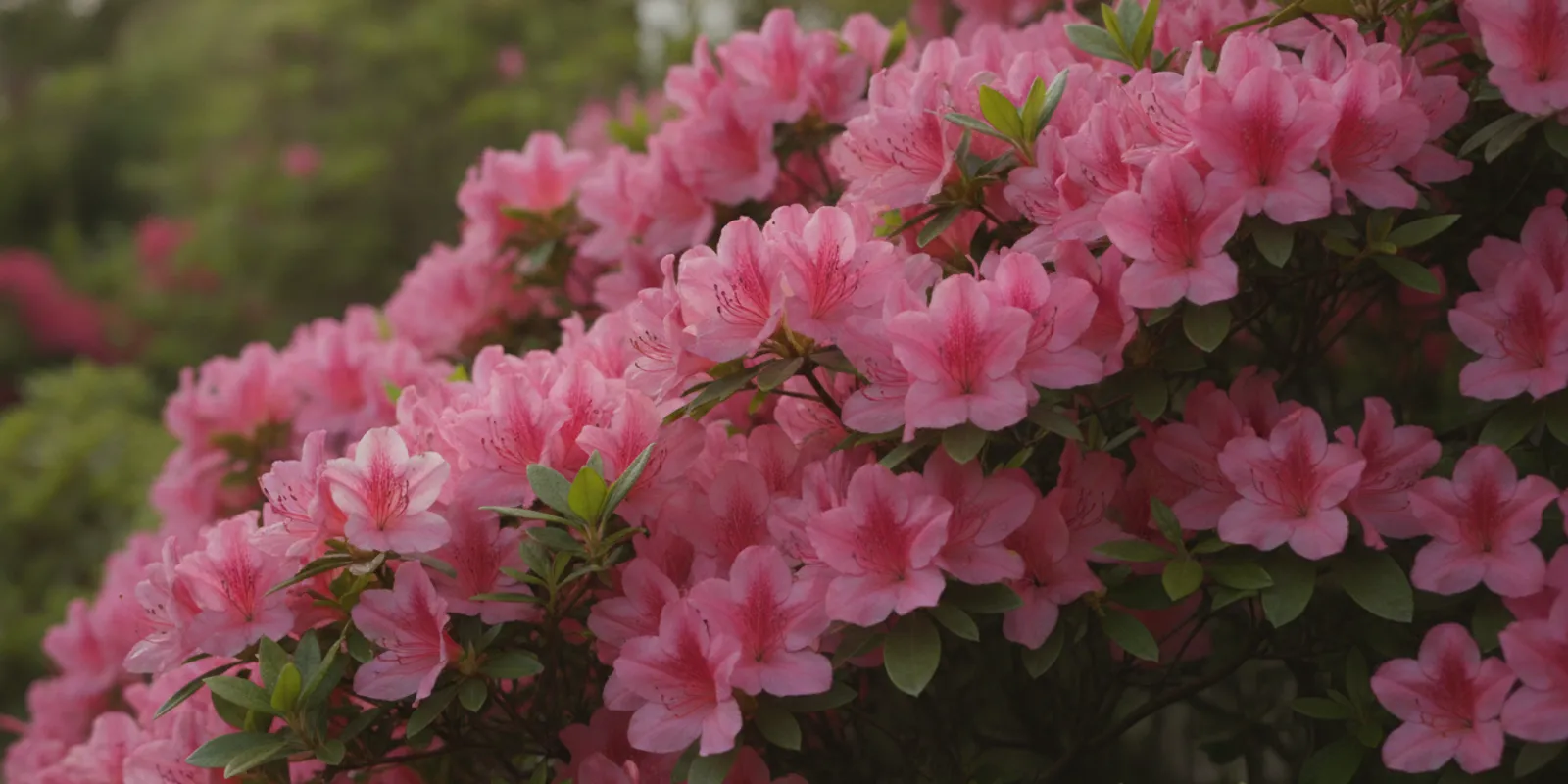
Azalea flower care starts with knowing what kind of azalea you have. A flowering shrub in the garden, a potted azalea received as a gift, and cut branches arranged indoors have different needs. Identify the plant or arrangement first, then match its light, water, temperature, and timing to the form in front of you. This guide explains practical care for each, common bloom times, and what to check before choosing azalea flowers for a gift.
What is the difference between azaleas and rhododendrons?
Azaleas belong to the rhododendron genus, so the names describe closely related plants rather than completely separate groups. In everyday gardening, azaleas are often recognized as smaller shrubs with abundant funnel-shaped flowers and relatively small leaves. Rhododendrons often have larger leaves and larger clusters, though there are exceptions. Plant labels and named varieties are more useful than relying on one visual clue.
Azaleas can be deciduous, dropping their leaves in autumn, or evergreen, keeping foliage through much of the year. Flower color varies by variety and can include white, pink, red, purple, orange, and combinations. The plant’s eventual size, hardiness, light preference, and bloom season also vary. If you are caring for a particular shrub, look for its label or ask the nursery that supplied it; generic advice cannot replace the needs of a specific cultivar.
For a gift, the word azalea may refer to a flowering potted plant, while a florist’s arrangement may use other flowers to evoke a similar palette. Do not assume a cut bouquet contains azalea stems just because the colors resemble azalea blooms. Check the product description or ask the florist if the exact flowers matter.
When do azaleas bloom?
Many azaleas bloom in spring, but the precise timing depends on variety, climate, and local conditions. Some varieties bloom earlier, and some reblooming types may produce another flush later in the growing season. Warm spells, cold snaps, sunlight, moisture, and the plant’s health can shift the display. A flowering plant purchased in a shop may also have been grown under controlled conditions, so its flowering time indoors may not match the outdoor calendar.
In the greater Salt Lake City area, seasonal weather can change quickly. A plant that is beginning to flower should be protected from a late hard freeze, and a garden azalea should be selected for a suitable local growing site rather than assumed to thrive in every yard. Check the plant label for cold tolerance and ask a local garden professional about site conditions before planting. The company serves the greater Salt Lake City, Portland, and Seattle-Tacoma areas, but a plant’s best outdoor location depends on the home and the specific variety.
Blooming is also influenced by care from the previous season. A plant that has been stressed by drought, poor drainage, excessive heat, or unsuitable light may form fewer flowers. Avoid trying to force a struggling shrub into bloom with a sudden heavy application of fertilizer. First check its growing conditions and overall health.
How can you tell which azalea you have?
Begin with the label, not just the flower color. Labels may identify the cultivar, mature size, hardiness, whether the plant is evergreen or deciduous, and its preferred light. Keep that information with the plant so you can refer to it when deciding where to grow or when to prune.
- Check the leaves. Evergreen types generally retain foliage through winter, while deciduous azaleas shed leaves in fall. Newly purchased plants may be grown in conditions that make this clue less obvious.
- Notice the growth habit. Compact potted plants are often sold as indoor seasonal gifts, while landscape varieties may grow into broader shrubs. A nursery pot does not indicate the plant’s mature size.
- Look at bloom timing. A variety’s expected bloom season can help with identification, but weather and growing conditions affect when flowers open.
- Read the care instructions. The tag’s light and temperature guidance is more reliable for that plant than a broad rule for all azaleas.
- Ask before planting. If the plant came as a gift and has no label, consult a garden center or extension resource before choosing a permanent outdoor site.
These distinctions matter because a potted florist azalea may be intended to give indoor color for a period, while a landscape shrub is selected and cared for as an outdoor plant. Neither should be treated as interchangeable. If long-term outdoor planting is your goal, verify that the variety can tolerate the local climate and that the site offers suitable soil and drainage.
How should you care for a potted azalea indoors?
A potted azalea can brighten a room while it is flowering, but it generally prefers cool, bright conditions rather than hot, dry air. Place it near bright indirect light. A spot with gentle morning sun may work, while harsh afternoon sun through glass can heat and dry the plant. Keep it away from heating vents, radiators, fireplaces, and cold drafts.
Water carefully. The potting mix should remain evenly moist, not waterlogged and not allowed to dry out completely. Check the surface and feel the mix below it; do not rely on a fixed calendar because indoor temperature, pot size, and plant size all affect how quickly it dries. When watering, moisten the root ball thoroughly and allow excess water to drain. Empty any saucer or decorative cachepot so the pot does not sit in standing water.
Many azaleas are sold in lightweight decorative sleeves or outer pots. Those can hide drainage holes. Lift the nursery pot out to water it, let it drain, and return it only after excess water has run off. If the plant is placed directly inside a decorative container, confirm that water can drain or remove standing water promptly. A constantly saturated root ball can lead to root trouble even when the leaves look thirsty.
Room humidity can be low, especially when indoor heating is running. Keep the plant away from dry heat and consider grouping it with other plants or using a pebble tray with water below, not touching, the pot base. Misting is not a substitute for watering the root ball and may leave petals wet without solving dry-air stress.
While the plant is in bloom, remove spent flowers gently if they detach easily. Avoid pulling hard or damaging nearby buds. Do not feed a newly purchased flowering plant automatically; it may not need fertilizer during its display. Follow the product label or a reliable plant-specific recommendation if feeding is needed later.
A simple indoor check routine
Choose a regular moment to inspect the plant, such as when you open the curtains in the morning. Look at the leaves and buds, then feel the potting mix instead of watering by habit. Check the saucer and decorative cover for trapped water. If the mix still feels moist, wait and check again later. If it is drying, water the root ball evenly and let the pot drain. This small routine reduces two common mistakes: forgetting a plant in a warm room until it wilts, and repeatedly watering it while the lower mix is already saturated.
Also note changes in the room. A pot beside a window may receive much more heat when the sun is low in winter, while a heating vent can dry one side of the foliage. If buds begin to drop after a move, return the plant to a stable, bright, cool position and avoid another abrupt change. A short care note can help everyone in a household follow the same routine.
What should you do after a potted azalea finishes flowering?
When the flowers fade, decide whether you want to keep the plant as a houseplant, move it outdoors seasonally, or plant it in the garden. That decision depends on the variety, climate, and the conditions you can provide. Some gift azaleas are greenhouse-grown and may be less suited to a particular outdoor climate than landscape varieties sold specifically for local planting.
- Remove faded blooms. Pinch or snip spent flowers without cutting off new growth or unopened buds.
- Keep the root ball evenly moist. Continue checking the mix rather than allowing it to dry fully or remain soaked.
- Find the plant’s identity. Look for the original tag, product information, or a cultivar name before moving it outdoors.
- Transition gradually. If the plant is appropriate for outdoor conditions, acclimate it to the new light and temperature instead of moving it abruptly from a protected room into intense sun or cold.
- Choose a suitable site. Consider the plant’s mature size, light preference, soil drainage, and local winter conditions.
Pruning time matters. Azaleas generally set flower buds for the next season after their current flowering period. Heavy pruning at the wrong time can remove those developing buds. If shaping is needed, make modest cuts soon after flowering and confirm the variety’s guidance. Avoid routine hard pruning simply because the shrub has finished blooming.
If the plant declines indoors after flowering, that does not necessarily mean you did something wrong. Indoor air can be warmer and drier than the cool conditions the plant prefers, and a greenhouse-grown plant may be intended primarily as a temporary flowering gift. Check moisture, drainage, temperature, and light before deciding what happened.
Making an after-bloom decision
Think through the next season before you make a permanent change. If you have a garden, first confirm the variety and whether its cold tolerance suits your location. Then inspect the proposed site for afternoon exposure, drainage, and room for mature growth. If you cannot identify the plant, keep its label or photograph the foliage and flowers to ask a local garden center or extension resource. If the plant is not suited to local outdoor conditions, continuing to grow it in a container may be an option, but confirm its needs rather than assuming it will behave like a hardy landscape shrub.
Do not repot, prune heavily, and move the plant outside all at once. Several simultaneous changes make it harder to tell what caused stress. A measured transition is easier to monitor: remove spent blooms, keep moisture steady, and change the location gradually only after you know what plant you have.
How do you care for an outdoor azalea?
Outdoor azaleas need a location that suits their variety. Many prefer filtered light or partial shade, with protection from strong afternoon sun. Some tolerate more sun when moisture and climate are suitable. Use the plant tag as a starting point and observe the site through the day before planting. A location that receives mild morning light and shade during the hottest hours may be more suitable than a wall that reflects afternoon heat.
Soil and drainage are important. Azaleas generally do best in acidic, organic-rich soil that drains well. Do not plant one in a low spot where water collects or in compacted ground without addressing drainage. A shallow root system can be stressed by both dry soil and prolonged saturation. Before amending soil or changing its acidity, test the site or seek local guidance rather than adding material by guesswork.
Water newly planted shrubs consistently while they establish. For established plants, water deeply during dry periods, checking the root area rather than wetting only the leaves. A layer of organic mulch can help retain moisture and moderate soil temperature. Keep mulch away from direct contact with the trunk or stems. Avoid frequent shallow watering that encourages roots to remain near the surface.
Watch the plant rather than following a rigid weekly schedule. Wilting may indicate dryness, but waterlogged roots can also produce unhealthy foliage. Check the soil several inches down and make sure water drains. In hot, dry, or windy weather, a plant may need closer monitoring; during cool or rainy weather, it may need less supplemental water.
Fertilizer is not a cure-all. If growth is poor, first check drainage, light, moisture, and whether the plant is suited to the site. If fertilizer is appropriate, choose a product intended for acid-loving plants and follow its label. Applying too much can damage roots or encourage leafy growth at the expense of flowers. Do not fertilize a stressed plant without understanding the cause of the stress.
Before planting: a site walkthrough
Observe the location at several times of day. Morning sun and afternoon shade can feel very different from a hot, reflective wall or a dense, dark corner. Notice where rainwater collects and whether a downspout keeps the soil wet. Check the surrounding plants for clues about light and moisture, but do not assume their needs are identical. Finally, compare the available space with the label’s mature-size guidance. A shrub that fits a small nursery pot may become too wide for a narrow path or foundation bed.
Prepare the planting area based on what you learn, not on a generic amendment recipe. If the soil is compacted or poorly drained, ask a local garden professional how to address it before planting. Avoid burying the stem base under soil or mulch. Water the root area after planting and continue monitoring it as it establishes. A little planning is easier than repeatedly moving a shrub that struggles in the wrong spot.
Seasonal care without a rigid calendar
In spring, watch for new growth and moisture needs as temperatures rise. During hot, dry stretches, check the root zone more often and water deeply when needed. In autumn, avoid late pruning that could remove next season’s buds. Before winter, confirm the plant is suited to the site and keep its root area from drying out, while avoiding waterlogged ground. Local weather and cultivar differences make a fixed monthly prescription unreliable, so use the plant’s condition and the soil as your guide.
What is the best way to prune azaleas?
Pruning should preserve the plant’s natural form and avoid cutting away next season’s flowers. Start by removing dead, damaged, or crossing branches. Use clean, sharp tools and make cuts thoughtfully rather than shearing the shrub into a tight shape. For a larger size reduction or a mature shrub that needs renovation, seek advice specific to its variety and condition.
For many spring-blooming azaleas, the practical window for shaping is soon after flowering. Waiting until late summer or autumn can remove buds already forming for the following spring. A few careful cuts are usually preferable to a late-season overhaul. If you do not know whether your plant is a spring or reblooming type, confirm its identity before pruning.
Pruning can help remove damaged growth, improve structure, and manage size, but it cannot correct an unsuitable planting site. If the shrub is consistently too large for its location, consider whether relocation or replacement with a better-fitting variety makes more sense than repeated severe cutting.
How to make a careful pruning plan
- Walk around the shrub and identify only the branches that are dead, damaged, crossing, or clearly out of place.
- Check the flowering period and variety information. If the plant blooms in spring, wait until flowering has finished before routine shaping.
- Decide on a small number of cuts that improve the structure. Avoid trying to reduce the whole plant substantially in a single session.
- Use clean, sharp tools and step back between cuts. The goal is a natural outline, not a perfectly squared surface.
- Stop if you are unsure where buds are forming or the plant needs major renovation. Ask for variety-specific advice first.
For example, if one branch is broken and another crosses the center, removing those two may be enough. If the shrub blocks a walkway every year, repeated clipping at the edge may create an unnatural shape without addressing the underlying size mismatch. A better long-term answer may be to reconsider the location or choose a more compact variety during a future planting.
How do you care for cut azalea flowers?
Cut azalea stems are less common in everyday arrangements than many familiar florist flowers, and availability can vary. If your arrangement includes cut azalea branches, follow the care card and any instructions from the florist. The general aim is to keep the vase clean, the water fresh, and the stems hydrated while avoiding heat and direct sun.
- Use a clean vase. Wash it with soap and water before filling. Residue can shorten the life of fresh flowers.
- Trim stems if appropriate. Use clean, sharp scissors or a knife to make a fresh cut. If the arrangement is already designed, avoid dismantling it unless necessary.
- Remove leaves below the waterline. Leaves left in water can break down and make the vase less clean.
- Add fresh water and flower food. Use the packet as directed, if provided. Do not substitute extra food for routine water changes.
- Choose a cool display spot. Keep the arrangement away from direct sun, heaters, hot appliances, and ripening fruit.
- Check water daily. Top up as needed and refresh it when it becomes cloudy. Recut stems only when suitable for the design.
Not every stem responds to the same preparation. Woody branches and soft stems can behave differently, and a florist may prepare them before arranging. If you are unsure whether to recut a stem or change the water in a particular design, ask the shop. Handle the flowers gently; small buds may be more delicate than the woody branch suggests.
Keep cut arrangements away from pets and children unless you have confirmed that every plant and accessory is safe for them. Plant safety depends on the exact species and the animal or person exposed. Do not assume a familiar-looking bouquet is safe to chew or ingest.
Refreshing an arrangement without dismantling it
If a designed bouquet is already arranged in a vase or floral container, start with the least disruptive care. Add clean water to the container if it is designed to hold water, and follow the care instructions provided. Remove a fading stem only if it comes away easily and doing so will not disturb the rest of the design. For a hand-tied bouquet, carefully lift it out only if the stems can be handled without loosening the arrangement; then clean the vase, refill it, and return the stems. When unsure, ask the florist rather than cutting stems that may have been prepared to a particular length.
Keep the display away from hot windowsills and appliances. If the room becomes warm during the day, a cooler location can help the arrangement look presentable for longer. Check the water level each day because stems can use water at different rates. These simple habits suit many fresh arrangements, but a care card or florist instruction should take precedence for unusual stems or designs.
What azalea colors and varieties can you choose?
Azaleas are prized for dense seasonal color. Depending on the variety, flowers may be white, pink, red, purple, orange, or patterned. Some blooms are single, while others appear fuller or ruffled. The foliage can also contribute to the plant’s appearance after flowering, particularly with evergreen varieties.
Choose a plant by more than color. Consider where it will live, its mature size, whether it is deciduous or evergreen, and its expected bloom period. For a container gift, consider the recipient’s available light and ability to keep the plant cool and evenly moist. For a garden, match the variety to the site and local winter conditions.
If you are shopping for a floral gift rather than a living shrub, think about the occasion, color preference, and display location. A mixed bouquet or another flowering plant may be a better fit if the recipient wants an arrangement that needs no long-term garden space. Williams Flower & Gift offers a broad selection of flowers, plants, and gifts; product selection can vary. You can browse bouquet options or explore the Fruits & Blooms arrangement for a colorful gift idea.
Choose the gift by the recipient’s routine
Consider what the recipient will actually do after opening the gift. A potted plant needs a suitable spot and regular attention to moisture. A cut arrangement needs water and a place away from heat but does not require garden planning. Someone who travels often or has limited natural light may prefer a ready-to-display design over a living plant. If you are unsure, choose a flexible option and ask about the recipient’s preferences rather than assuming that everyone wants a plant to maintain.
Color can help connect the gift to the occasion, but it is only one part of the choice. A gentle palette may suit a quiet thank-you; bright colors can make a celebratory gift feel lively. A plant with a specific color can be meaningful if the recipient enjoys seasonal blooms, while a mixed design offers variety when you do not know a favorite flower. Describe the occasion and any preferences when ordering so the shop can help you choose an appropriate available option.
How should you choose azaleas as a gift?
A potted azalea can be a memorable seasonal gift, but it is best for someone who enjoys caring for plants or has a suitable place to display one. Before choosing, consider whether the recipient has bright indirect light, a cool room, and the time to check the soil. A living plant brings ongoing care, while a cut arrangement offers a more immediate display.
For someone who lives in a different city, confirm that the destination is within the florist’s delivery coverage and that the product is available there. Delivery fees vary by location and order size and are calculated at checkout. Where same-day delivery is offered, orders placed before 1:00 PM qualify only when service coverage and availability allow. Check the destination and timing before relying on a specific delivery date.
A thoughtful gift message can explain the gesture without requiring the recipient to know the plant’s care already. If you are sending a living azalea, include a simple note to keep it cool and evenly moist, and encourage the recipient to follow the plant tag. If you do not know whether the recipient wants a plant, a fresh arrangement can be a more straightforward choice.
Williams Flower & Gift is a third-generation family florist with more than 40 years of floral experience, serving the greater Salt Lake City, Portland, and Seattle-Tacoma areas. The company sources flowers directly from domestic and international farms and offers handcrafted designs. Its company heritage spans multiple markets; it should not be confused with decades of operation in every local market.
A practical checklist before ordering
- Confirm the delivery destination. Enter the recipient’s address and verify that it falls within the delivery area for the product.
- Choose the type of gift. Decide between a living plant and an arrangement based on the recipient’s space and routine.
- Check the product details. Read the description for flower types, colors, container details, and any substitutions or availability notes.
- Plan the timing. Same-day delivery may be available for orders placed before 1:00 PM where coverage and availability allow; confirm the date during checkout.
- Review the total. Delivery fees vary by location and order size and are calculated at checkout, so check the final amount before completing the order.
- Add useful context. Include a gift note and any relevant delivery instructions without assuming a particular product can be substituted or delivered at a specific time.
If you are ordering to a hospital or other facility, confirm any location-specific delivery instructions before checkout. Policies and receiving procedures may differ. For common questions about ordering, review the frequently asked questions and use the available contact path if a detail needs confirmation.
Which common azalea problems should you watch for?
Changes in leaves and flowers can point to stress, but the same symptom may have more than one cause. Check the plant’s environment before taking action. A photograph and the plant label can help a garden professional assess the issue more accurately.
- Wilting: Check the root-zone moisture before watering. Dry soil may need a thorough drink, while saturated soil points to drainage trouble.
- Yellowing leaves: Consider water quality, soil conditions, root health, light, and seasonal leaf drop. Do not assume fertilizer is the answer.
- Brown leaf edges: Dry air, sun scorch, inconsistent moisture, or other stress may contribute. Review light exposure and watering habits.
- Few flowers: Possible factors include insufficient or unsuitable light, pruning at the wrong time, stress, or a variety that blooms at a different time.
- Bud drop: Sudden changes in temperature, moisture, or location can stress a flowering plant. Keep conditions steady and inspect the root ball.
- Soft or dark roots: Persistent soggy soil can be a warning sign. Improve drainage and seek advice if the plant continues to decline.
Do not apply pesticides or strong treatments based only on a vague symptom. Identify the problem first, and follow product labels carefully if treatment is appropriate. Keep plant-care products away from children and pets, and ask a qualified local source for guidance when the diagnosis is uncertain.
Read symptoms in context
Look at more than one clue before changing care. Wilting in dry mix suggests a different problem from wilting in saturated mix. Yellow leaves on an evergreen plant during a period of change may not mean the same thing as widespread yellowing during active growth. Bud drop after the plant is moved could point to environmental shock, while repeated poor flowering over multiple seasons may call for a closer review of light, pruning time, and site suitability.
Write down what changed and when: a move near a vent, a missed watering, a cold night, or a recent pruning. That history helps you avoid reacting with several treatments at once. Change one condition at a time where practical, then observe the result. If the plant continues to deteriorate, take clear photographs of the entire plant, leaves, and root area if accessible, and seek specific advice from a local garden professional.
How do azaleas compare with other flowering gift choices?
The right option depends on whether the recipient wants a living plant or a finished arrangement. A potted azalea can continue growing after its flowers fade if its variety and care conditions are suitable. A cut bouquet is ready to display and does not require a garden site, but its flowers are temporary. Other flowering plants may suit different light levels or care preferences.
| Choice | Best fit | Care to consider | Before choosing |
|---|---|---|---|
| Potted azalea | Someone who enjoys plants and has a cool, bright place | Even moisture, drainage, gentle light, and attention after bloom | Check the variety, indoor conditions, and outdoor suitability |
| Cut flower arrangement | A ready-to-display gift for a celebration or thoughtful gesture | Clean vase, fresh water, flower food if supplied, and a cool location | Confirm delivery coverage, timing, and product availability |
| Other flowering plant | A recipient whose home conditions better suit a different plant | Care needs depend on the exact plant | Match light, watering, and maintenance to the recipient’s routine |
This comparison is a starting point, not a guarantee that any particular plant will thrive in every home. If you are unsure what the recipient can care for, a cut arrangement or a gift that does not require ongoing plant care may be more practical. For destination questions, consult the frequently asked questions before placing an order.
Three buyer situations to consider
The avid gardener: If the recipient has a garden and enjoys learning about plants, a labeled landscape azalea may be appealing. The variety and local suitability still matter, so provide the tag and care information rather than treating the gift as a plant that can go anywhere.
The apartment dweller: A compact flowering pot may offer seasonal color if there is a bright, cool spot and room to monitor moisture. If the apartment is warm or the recipient travels frequently, a cut arrangement may be simpler.
The long-distance sender: Choose based on delivery coverage, product availability, and the recipient’s ability to receive the gift. Check delivery date and fees at checkout. If the precise plant is important, confirm that the product description matches what you intend to send rather than relying on a color theme alone.
These examples show why a single “best” gift cannot suit every person. The useful question is not only which flower looks attractive, but what kind of care and display the recipient actually wants.
What should you know about azalea care in brief?
The most reliable approach is to identify the plant, read its label, and keep its conditions steady. Potted azaleas generally appreciate bright indirect light, cool temperatures, evenly moist soil, and good drainage. Outdoor plants need a suitable variety and a site with appropriate light, soil, and drainage. Cut branches need clean water and a cool display position. In each case, avoid guessing from flower color alone.
For a potted plant, check moisture frequently while it is flowering, but water according to the mix rather than a fixed schedule. Let excess water drain. After flowering, decide whether the plant can be kept indoors or whether its variety is appropriate for a gradual move outdoors. For garden shrubs, prune with the next bloom season in mind and ask for local guidance if the variety is unknown.
If you are choosing a floral gift, consider the recipient’s space and preferences, then confirm the product and delivery details for the destination. Orders placed before 1:00 PM qualify for same-day delivery only where coverage and availability allow. You can also review the company’s about page to learn more about its family business.
Choose a thoughtful flower gift
Frequently asked questions
Do azaleas need direct sunlight?
Many azaleas do best in bright, filtered light or partial shade, but preferences vary by variety and climate. Check the plant tag and avoid moving a potted plant suddenly into intense sun.
How often should I water a potted azalea?
There is no dependable schedule for every room and pot. Check the potting mix often and water when it begins to dry, keeping it evenly moist but not waterlogged. Allow excess water to drain.
Can I plant a gift azalea outside?
Possibly, but first identify the variety and check whether it is suited to your climate and garden conditions. Acclimate it gradually and choose a site that matches its light and drainage needs.
When should I prune an azalea?
For many spring-blooming types, prune lightly soon after flowering so you are less likely to remove buds for the next season. Confirm guidance for your specific variety before making major cuts.
Are azaleas available in florist bouquets?
Availability can vary, and not every bouquet described by color includes azalea stems. Check the product description or ask the florist if you need a particular flower.
With the right care for its form and variety, an azalea can bring a vivid seasonal display to a room or garden, while a carefully chosen arrangement makes it easy to share flowers for the moment.

